

 English
 Español
 Français
ADDRESS
- Zicun, Chongfu Town, Tongxiang City, Zhejiang Province, China.
CONTACT
- Tel: +0086-13857379100
- Fax: +0086-0573-89372132
- Email: [email protected]
 2026-10-08
 Industry news
Lining fabric is often invisible, but it plays an essential role in how a garment fits, feels, and lasts. For suit jackets, coats, and other dry-clean-only apparel, the lining is repeatedly exposed to chemical solvents, heat, and mechanical action. If the lining fabric lacks dimensional stability, the results are plain to see: puckering seams, distorted panels, and an overall poor silhouette.
In this guide, we take a close look at lining fabric shrinkage control — specifically, how polyester and viscose behave in dry cleaning, and what a polyester-viscose blend can offer in terms of dimensional stability. As a manufacturer of premium lining fabrics, Tongxiang Shunli Textile has spent years testing and refining linings for international garment brands. We share these insights to help you choose the right material for your production.
Dimensional stability refers to a fabric's ability to keep its original size and shape through wear, washing, and dry cleaning. For linings, this property is critical because the lining is sewn to the outer shell. Any shrinkage or stretching in the lining will pull the outer fabric, creating visible deformations.
In dry cleaning, linings face an especially demanding environment. The combination of solvent, moisture, temperature changes, and mechanical agitation can trigger fiber relaxation and dimensional change. Therefore, a lining's fiber composition and finishing treatment are decisive factors in its dry-cleaning performance.
Shrinkage in woven fabrics occurs when fibers swell, relax, or undergo structural reorientation. For lining fabrics, the main causes include:
For high-performance linings, controlling these factors from the fiber stage through finishing is the only reliable way to ensure dimensional stability in dry cleaning. This is where the choice of polyester vs viscose becomes central.
Polyester and viscose sit on opposite sides of the fiber spectrum. Polyester is a synthetic polymer with low moisture regain, high tensile strength, and excellent dimensional stability under normal conditions. Viscose is a regenerated cellulose fiber with a soft, breathable hand but higher moisture absorption and a tendency to shrink when exposed to water or heat.
The following table summarizes the key differences that affect dry cleaning performance:
| Property | Polyester | Viscose (Rayon) |
|---|---|---|
| Moisture regain | 0.2 – 0.4% | 11 – 13% |
| Shrinkage tendency | Low | High without finishing |
| Strength (dry) | High | Moderate |
| Strength (wet) | High | Low |
| Resistance to dry cleaning solvents | Excellent | Good, but may swell |
| Comfort and absorbency | Less breathable | Soft and breathable |
As the table suggests, pure polyester linings tend to hold their shape well in dry cleaning, but they may feel less comfortable against the skin. Pure viscose linings offer premium aesthetics and comfort, but they demand careful finishing and low-moisture processing to avoid shrinkage. This is why many lining manufacturers, including our team, develop polyester-viscose blends that combine the best of both worlds.
A polyester-viscose blend is engineered to balance stability and comfort. The polyester component provides strength, resilience, and low moisture intake, while the viscose component adds a luxurious touch, better breathability, and superior drape. Yet the blend's dimensional stability is not automatic — it depends on the blend ratio, yarn quality, weave construction, and finishing process.
For dry-cleaned garments, we typically recommend a blend with at least 50% polyester to keep shrinkage low. In our production, we weave polyester-viscose linings in plain and twill constructions that are pre-shrunk and heat-set. This two-stage approach relaxes the viscose fibers and locks the yarns in place, ensuring that the final fabric meets strict dimensional stability standards.
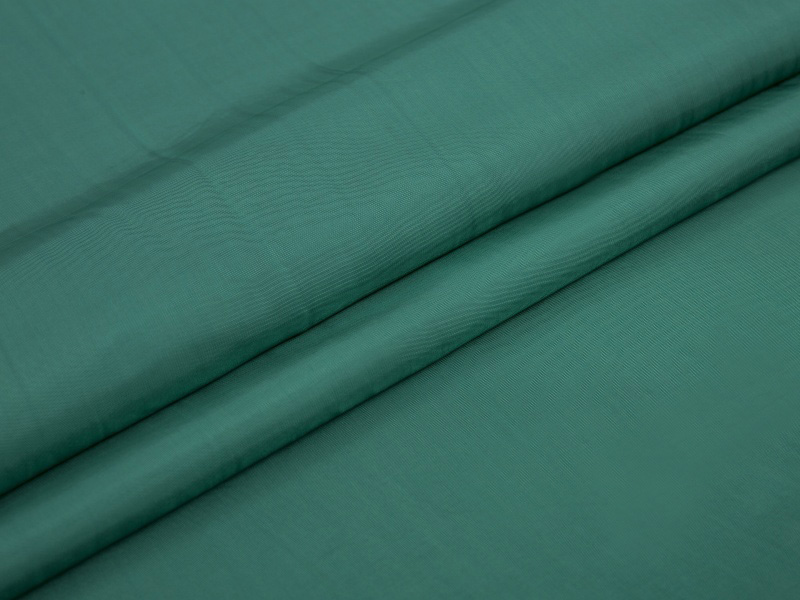
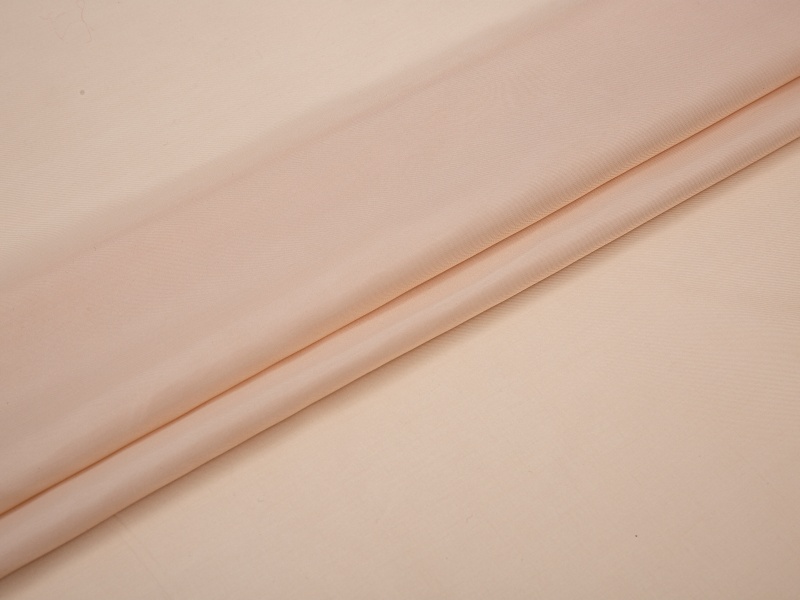
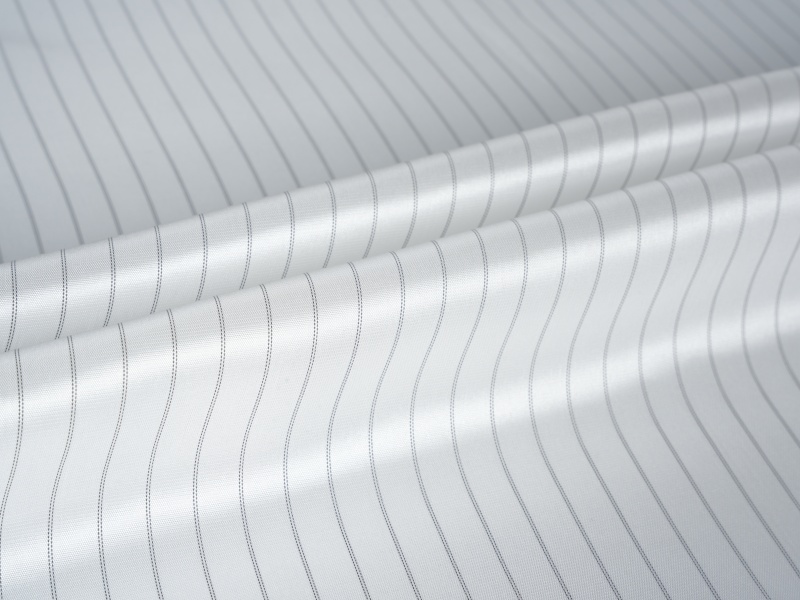
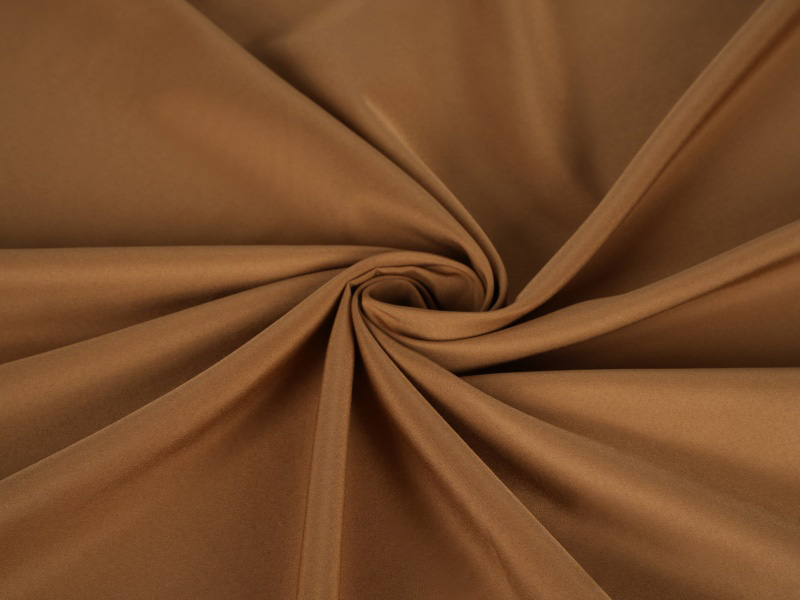 Pre-Shrunk Polyester Viscose Plain Weave Lining FabricThis pre-shrunk plain weave lining combines polyester and viscose for durable shape retention and a soft feel, making it a dependable option for garments requiring low shrinkage through dry cleaning.View Product →
If you are evaluating linings for garments that will see repeated dry cleaning, you can read our earlier analysis of how polyester-viscose fabrics behave in humid environments. Dimensional stability is not only a dry cleaning concern, but also a humidity challenge, and the same finishing methods often improve both.
Dry cleaning uses chemical solvents rather than water, but it is not a completely dry process. Small amounts of water and detergent are often present, and the garments are dried at moderate temperatures and pressed with steam. These steps can cause moisture-related swelling, heat relaxation, and mechanical stress on the lining.
Polyester resists solvent penetrations and retains its shape under typical dry cleaning conditions. Viscose, however, can absorb residual moisture and swell temporarily. If the woven structure is too tight, this swelling can lead to localized shrinkage when the fabric dries. If the finishing is poor, the effect becomes permanent.
To minimize shrinkage in dry cleaning, consider these practices:
For most suits, jackets, trousers, and coats that require dry cleaning, a polyester-viscose blend is an ideal choice. The optimal blend ratio depends on the end use:
When selecting linings, start by defining your quality targets. For structured suits that go through many dry cleaning cycles, a 70/30 polyester-viscose twill offers excellent stability and resistance to abrasion. Our polyester-viscose twill lining is tightly woven and pre-shrunk, making it a reliable choice for jackets and coats.
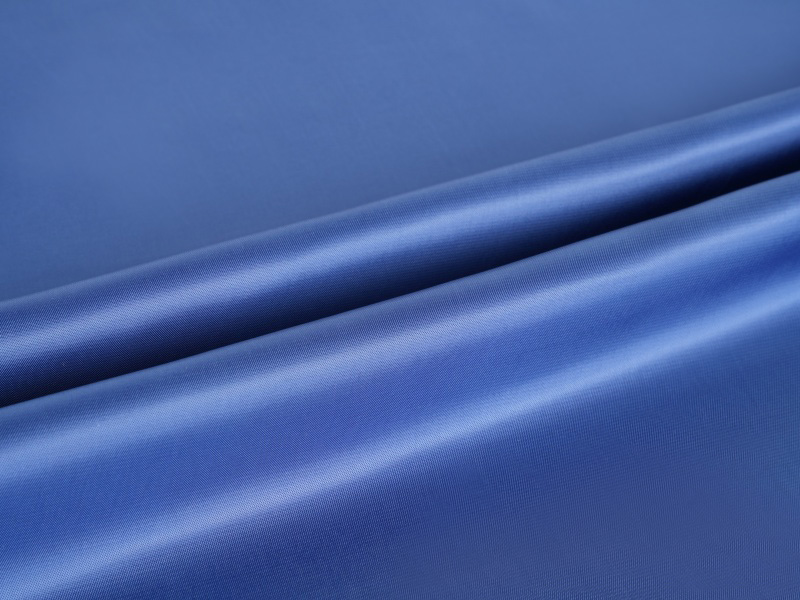
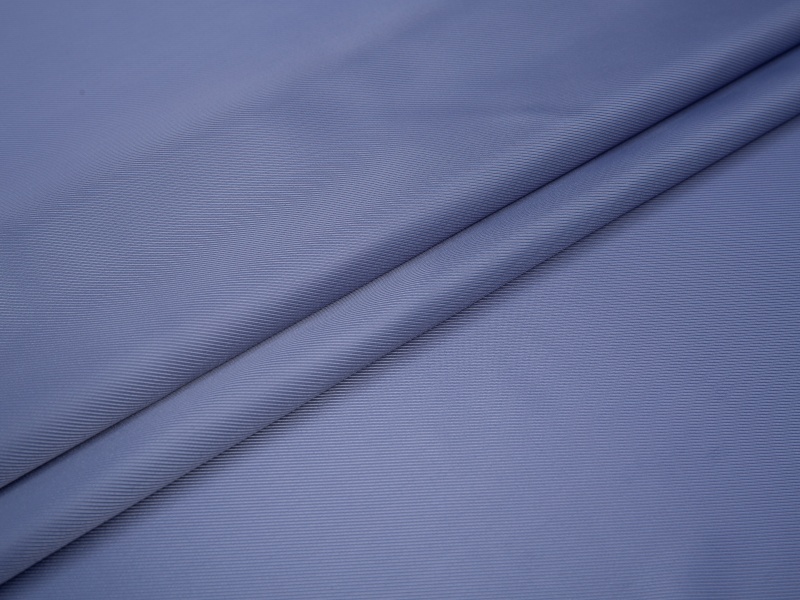
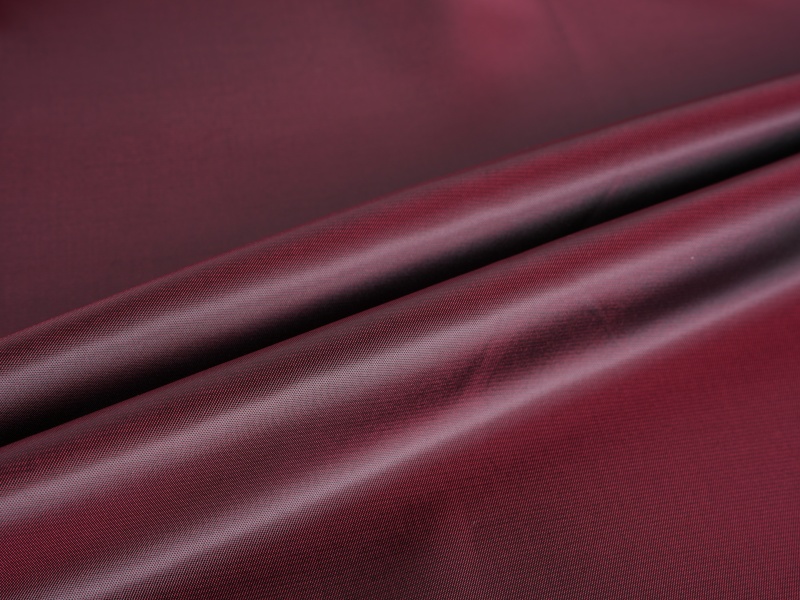 Polyester Viscose Twill Lining with Abrasion ResistanceA tightly woven twill lining made from a 70/30 polyester-viscose blend, engineered for stability and wear resistance, suitable for structured jackets and coats that undergo frequent dry cleaning.View Product →
For sleeve linings, the fabric must withstand constant flexing without stretching or shrinking out of shape. Our polyester-viscose yarn-dyed sleeve lining is constructed specifically for sleeves, with a balanced weave that retains its dimensions through dry cleaning and everyday wear.
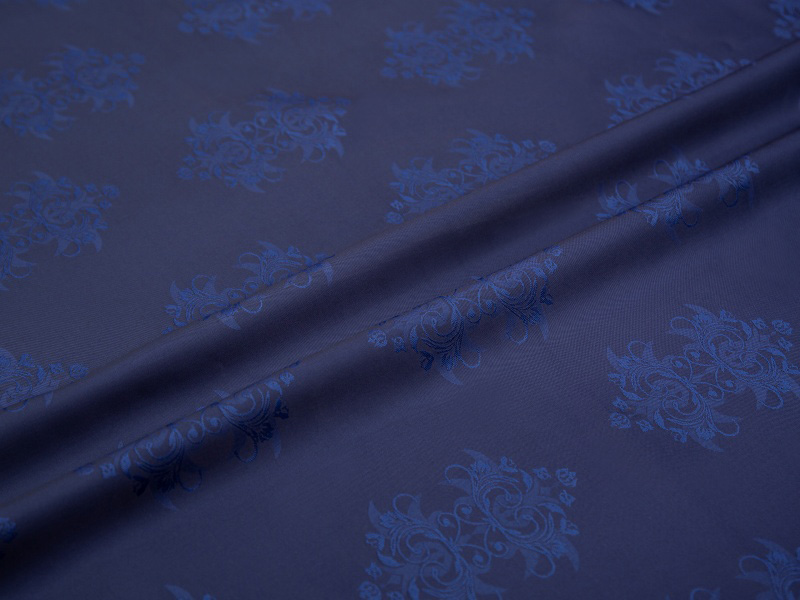
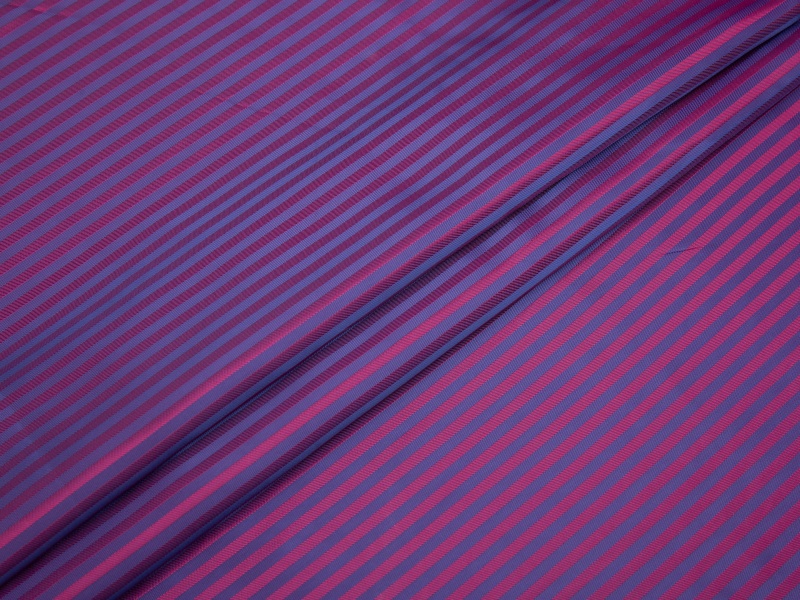
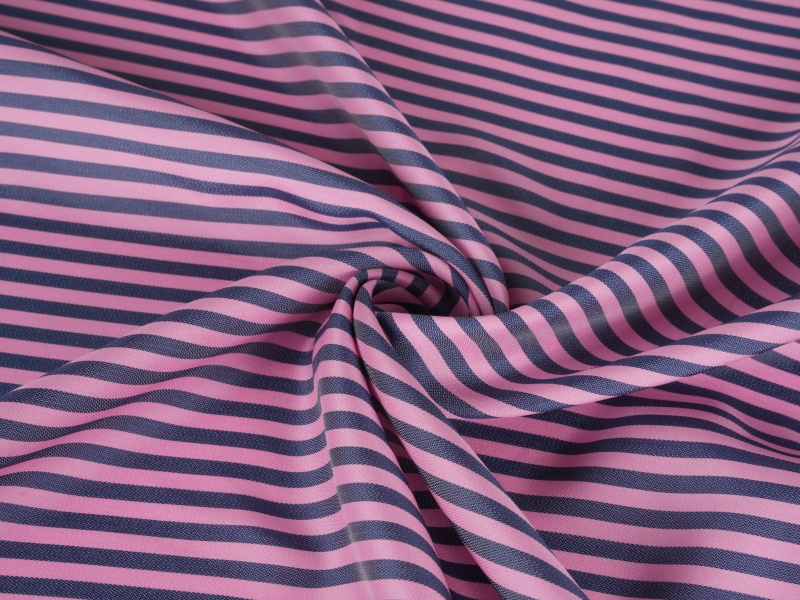 Yarn-Dyed Polyester Viscose Sleeve Lining for Dimensional StabilityConstructed specifically for sleeves, this yarn-dyed lining balances polyester and viscose to resist stretching and shrinking, offering colorfastness and comfort for constant flexing during wear.View Product →
When properly finished and pre-shrunk, polyester-viscose linings shrink very little — typically less than 2 to 3% in standard dry cleaning conditions. The polyester portion resists solvent, and the viscose portion is pre-relaxed. Problems only occur when the fabric is poorly finished or when the viscose content is too high.
For lining fabrics that require high dimensional stability, a ratio of 65/35 or 70/30 polyester/viscose is recommended. This gives enough polyester to lock the structure while still providing the comfort and hand of viscose. For softer linings, a 50/50 blend can work if the finishing includes heat-setting and resin stabilization.
Work with a lining supplier that performs shrinkage testing and gives documented results. Select fabrics that have been pre-shrunk and heat-set, and run your own pilot dry cleaning trials before full production. Also, follow care label instructions that specify cold or warm gentle dry cleaning, and avoid over-drying.
Dimensional stability in dry cleaning is not a matter of chance. It is achieved through careful fiber selection, fabric construction, and finishing. Polyester provides resilience and low moisture absorption; viscose offers comfort and aesthetic appeal. When blended in the right proportions and treated with the proper stabilization processes, polyester-viscose linings can deliver outstanding dry cleaning performance.
At Tongxiang Shunli Textile, we build dimensional stability into every lining we produce. By choosing proven materials and processes, you can protect the look and longevity of your garments — and keep your customers satisfied.
Copyright © Tongxiang Shunli Textile Technology Co., Ltd. All Rights Reserved.Custom Clothing Lining Fabrics Manufacturers
