


 English
 Español
 Français
ADDRESS
- Zicun, Chongfu Town, Tongxiang City, Zhejiang Province, China.
CONTACT
- Tel: +0086-13857379100
- Fax: +0086-0573-89372132
- Email: [email protected]
 2026-08-04
 Industry news
Walk into any department store or browse an online outerwear collection, and you will encounter a common denominator across price points and styles: the polyester lining fabric. While natural fibers like silk, viscose, and cotton hold historical significance in garment construction, the rise of synthetic textiles has fundamentally shifted the industry’s approach to functional inner layers. The question of why this specific material has become the default standard for coats is not rooted in a single characteristic, but in a convergence of durability, practicality, economic viability, and engineering. This article dissects the tangible reasons behind the dominance of polyester in coat linings, moving beyond surface-level answers to explore the material science and manufacturing economics that make it the workhorse of the apparel industry.
A coat’s primary purpose is protection, but its longevity depends heavily on the liner. The inner fabric withstands constant friction against underlying clothing, repetitive arm movements, and the stress of being pulled on and off. Polyester lining fabric excels in this environment due to its inherent physical properties.
Polyester is a synthetic polymer composed of long-chain esters, which results in a fiber with high tensile strength. In practical terms, a coat lined with polyester is less likely to tear at the armpit seams or wear thin at the elbows compared to linings made from natural fibers. Where a silk or rayon lining might abrade over a single season of heavy use, a high-quality polyester taffeta or satin-weave lining maintains its structural cohesion. This resistance to micro-tears is critical for outerwear, which often undergoes rigorous movement.
Coat manufacturers value predictability in their materials. Polyester lining fabric offers exceptional dimensional stability—it resists stretching out of shape. While cotton linings may sag or bag over time, and viscose can stretch permanently, polyester retains its cut dimensions. This ensures that the lining continues to fit the outer shell perfectly throughout the garment’s lifespan, preventing the unsightly bunching that occurs when a lining fails to match the shell’s proportions. Additionally, polyester’s low moisture absorption means it does not swell or contract with humidity changes, maintaining consistent seam integrity.
Contrary to the misconception that synthetics are inherently "sweaty," engineered polyester lining fabric provides specific moisture management benefits that are highly advantageous for outerwear. Its hydrophobic nature—meaning it repels water—makes it the preferred choice for coats designed to bridge indoor and outdoor environments.
Polyester has a moisture regain of approximately 0.4%, meaning it absorbs minimal water relative to its weight. In a coat lining, this translates to two practical outcomes: first, the liner does not become heavy or clammy when exposed to rain or snow; second, it dries rapidly. For the wearer, this means that even if the outer shell gets wet, the interior microclimate remains relatively dry. Furthermore, because moisture is not absorbed into the fiber structure, the lining does not develop the musty odors commonly associated with damp natural fibers.
Wet insulation is poor insulation. When cotton or wool linings absorb moisture, their thermal resistance drops significantly. Polyester, conversely, maintains its insulating properties even in high-humidity conditions. When used in conjunction with a warm outer layer, the polyester lining acts as a barrier that prevents body heat from escaping rapidly, while simultaneously allowing vapor to pass through to the outer shell where it can evaporate. This breathable warmth is why polyester is frequently utilized in performance outerwear and standard winter coats alike.
Mass production demands materials that are both cost-effective and predictable. Polyester lining fabric meets these industrial requirements, offering a price point and supply stability that natural fibers cannot consistently match.
The consumer’s ability to easily care for a garment is a significant driver of repeat purchases and brand loyalty. Polyester lining fabric outperforms most natural alternatives in this aspect of the product lifecycle.
While dry cleaning remains a standard for many structured coats, polyester linings offer the flexibility of gentle machine washing in cold water. More importantly, they are inherently shrink-resistant. Where a cotton or rayon lining might shrink by 2-4% in a home wash, leading to a tight, pulling fit in the coat, polyester maintains its original dimensions. For activewear and lighter jackets, this washability is a core feature that extends the garment’s wearable life.
Polyester fibers have a high elastic recovery rate, meaning they bounce back to their original shape after being creased. This reduces the need for heavy ironing, a difficult task with linings as it is easy to create press marks on the outer fabric. When ironing is necessary, a cool iron setting is sufficient, avoiding the scorching risk associated with cotton or linen.
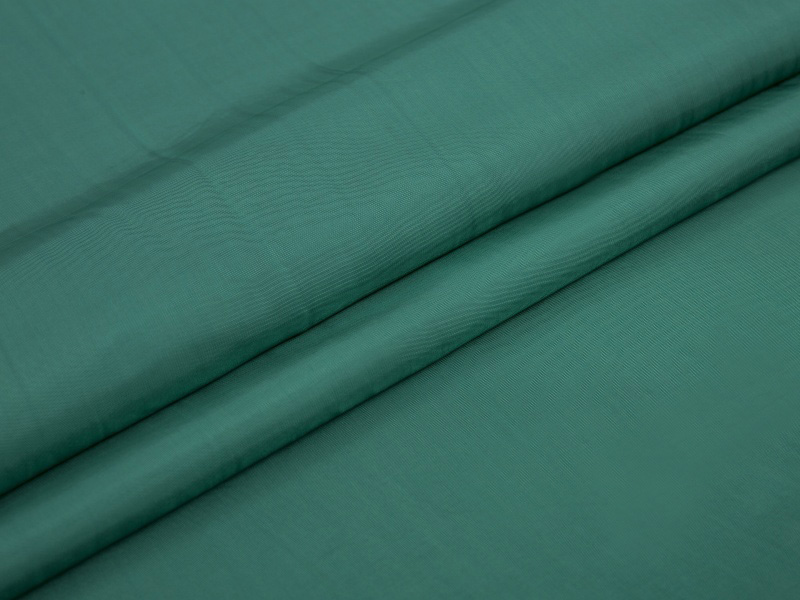
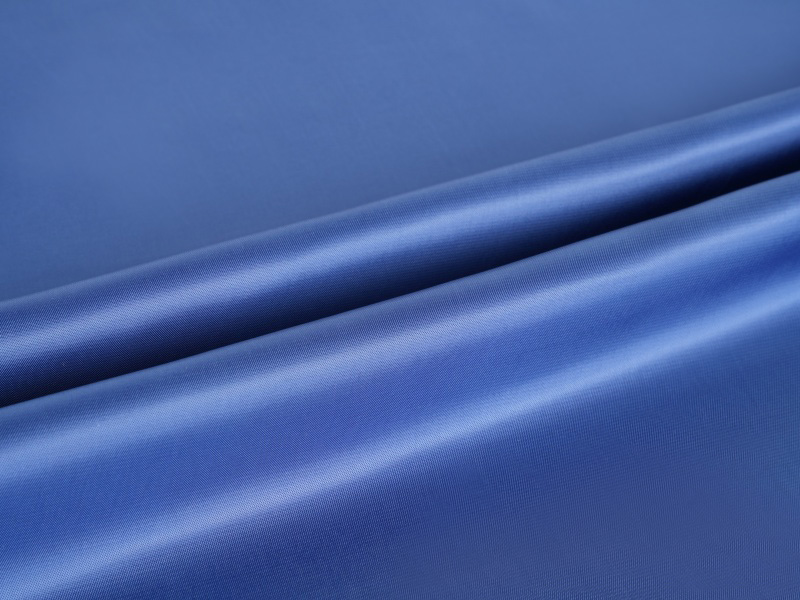
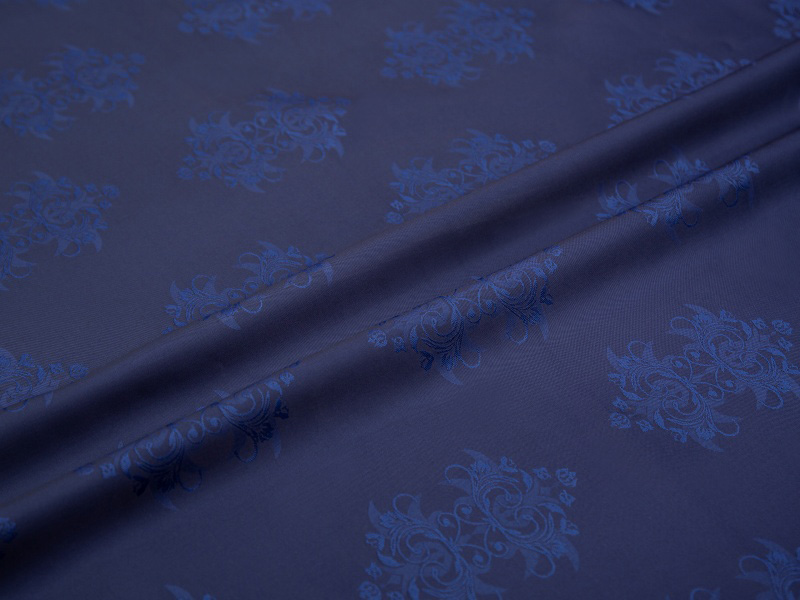
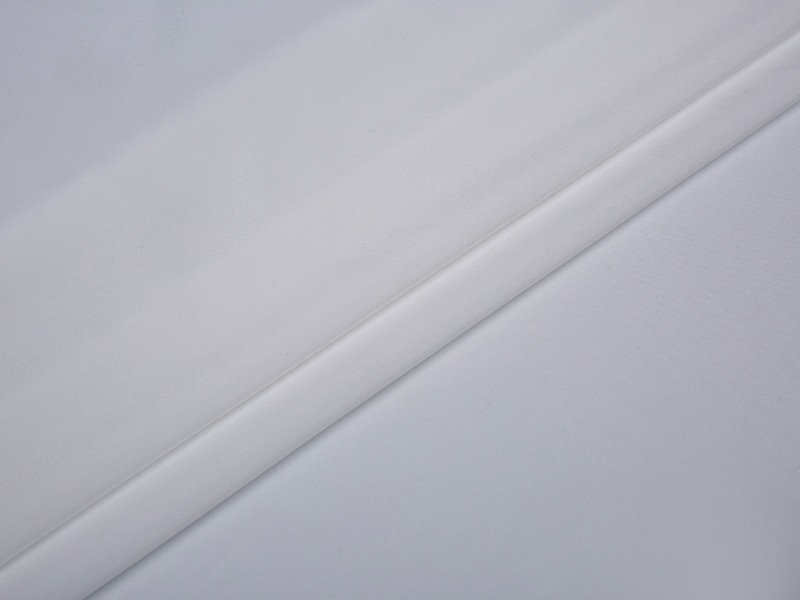
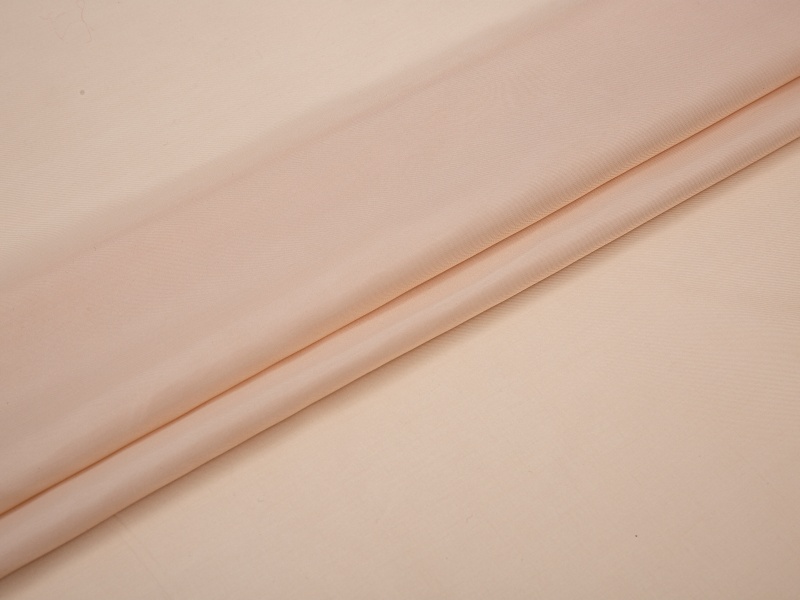
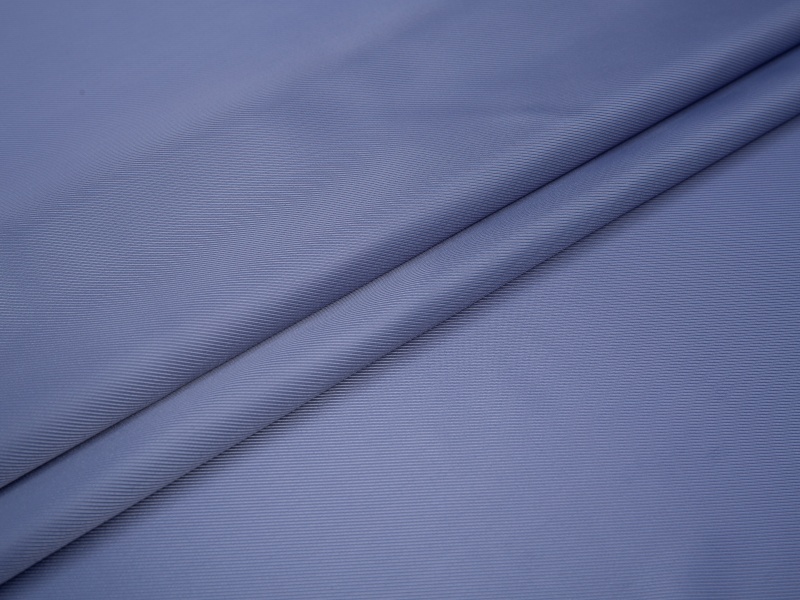
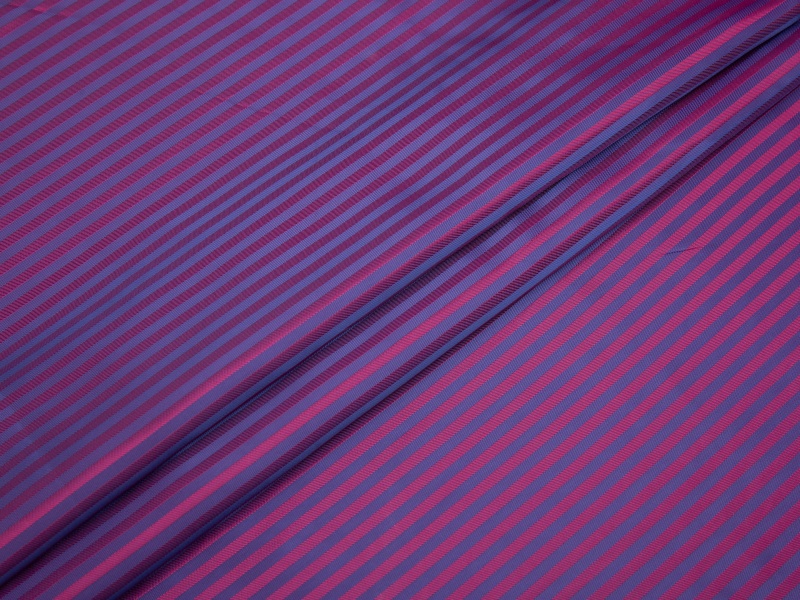
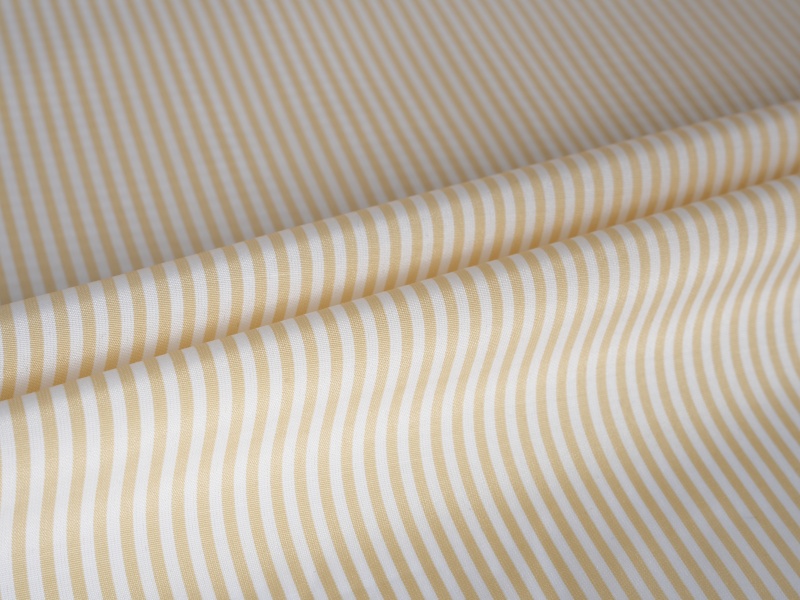
Beyond the technical parameters, polyester lining fabric offers a variety of textures and finishes that cater to specific garment requirements. From the fluid drape of a satin weave to the crisp structure of a taffeta, polyester can mimic the appearance of luxury fabrics while providing superior technical performance.
| Type | Weave/Texture | Primary Application in Coats |
|---|---|---|
| Taffeta | Crisp, smooth, slight rib | Shell jackets, trench coats, structured blazers |
| Satin | Glossy, smooth face, matte back | Luxury overcoats, formal wear, evening jackets |
| Brushed (Flannel-like) | Soft, matte, napped surface | Winter parkas, cold-weather casual outerwear |
| Mesh/Performance Knit | Open structure, elastic | Activewear jackets, insulative layers, sport coats |
This variety allows designers to select a lining that complements the silhouette of the coat—whether they need the stiff structure of a taffeta for a tailored shoulder or the fluid drape of a satin for a flowy duster. Additionally, the anti-static coatings applied to many polyester linings are a practical feature that reduces the garment's tendency to cling to tights or sweaters, which is a common complaint with synthetic blend outerwear.
Yes, but indirectly. Polyester lining fabric provides an effective barrier that traps body heat between the lining and the outer shell. Because it does not absorb moisture, it prevents the evaporative cooling effect that occurs with wet natural fibers. It is the combination of the outer shell and the liner that dictates overall warmth.
While traditional polyester films are non-breathable, woven polyester lining fabrics are porous and allow moisture vapor to pass through. The breathability is moderate; it is superior to plasticized coatings but lower than high-end natural materials. However, for the typical coat application, this level of breathability is considered acceptable.
Static cling occurs due to dry air. Commercial anti-static sprays are available, but a simple solution involves diluting a small amount of fabric softener with water in a spray bottle and lightly misting the lining. Many manufacturers apply anti-static coatings that remain effective through several washes or dry cleanings.
While both are synthetics, nylon tends to be softer, more elastic, and more durable in terms of abrasion resistance, but it absorbs slightly more moisture. Polyester is more colorfast, has better shape retention, and is typically more cost-effective, making it the more common choice for coat linings.
Yes, but extreme caution is required. Polyester has a low melting point. Always use a cool or synthetic setting on the iron, and utilize a pressing cloth between the iron and the fabric to avoid melting or shiny iron marks. Steam is generally safer than direct dry heat.
Copyright © Tongxiang Shunli Textile Technology Co., Ltd. All Rights Reserved.Custom Clothing Lining Fabrics Manufacturers
