


 English
 Español
 Français
ADDRESS
- Zicun, Chongfu Town, Tongxiang City, Zhejiang Province, China.
CONTACT
- Tel: +0086-13857379100
- Fax: +0086-0573-89372132
- Email: [email protected]
 2026-04-21
 Industry news
Clothing lining fabrics are interior textile layers that provide structure, comfort, breathability, and protection between the outer shell of a garment and the wearer's body. For suits, the lining is a critical functional element that determines how the jacket drapes, breathes, and holds its shape over time. Bemberg cupro is widely regarded as the gold standard for suit lining due to its silky hand feel, exceptional breathability, anti-static properties, and elegant drape. Silk offers luxury for special occasion suits, while viscose and polyester blends provide versatile, cost-effective alternatives for everyday wear. The choice of suit lining directly impacts comfort during extended wear, temperature regulation, and the overall longevity of the garment.
Clothing lining fabrics serve multiple essential functions beyond aesthetics. The lining creates a smooth, comfortable interior surface that protects the skin from rough outer fabrics, exposed seams, and internal construction elements. It helps the garment slide on easily over shirts or other layers, reduces friction during movement, and prevents static buildup that causes fabric cling.
Structurally, linings add shape retention and prevent the outer fabric from stretching or sagging with repeated wear. They distribute the garment's weight evenly across the shoulders and body, reducing fatigue during extended wear. In tailored garments like suits, the lining conceals interfacings, padding, and stitching, creating a clean, professional interior finish. For outerwear, linings provide insulation by trapping body heat close to the skin, while summer-weight linings facilitate airflow and moisture management.
The quality of a lining is often an indicator of overall garment craftsmanship. A well-constructed lining with secure stitching, reinforced stress points, and flat seams suggests attention to detail throughout the garment. Conversely, cheap, poorly attached linings typically signal compromises in other construction areas.
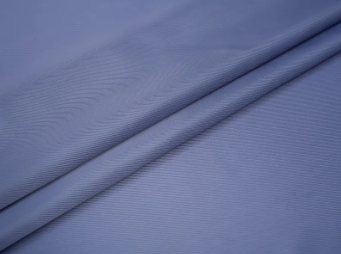
Bemberg lining, made from cupro fiber, is considered the gold standard for suit and blazer linings by bespoke tailors and luxury garment manufacturers worldwide. Cupro is a regenerated cellulose fiber derived from cotton linter, the short fibers left on cotton seeds after ginning. The production process, called the cuprammonium process, creates ultra-fine fibers that deliver a smooth, luxurious hand feel comparable to silk.
Bemberg cupro offers a unique combination of properties that make it ideal for suit lining. It is highly breathable, allowing air circulation that keeps the wearer comfortable in both warm and cool conditions. The material is naturally anti-static, preventing the lining from clinging to shirts or skin and improving overall garment fit. Bemberg drapes elegantly, helping jackets fall beautifully on the body while maintaining a polished interior appearance. It is also more durable and resilient than standard rayon or acetate linings, withstanding the friction of daily wear and repeated dry cleaning.
Bemberg is exclusively manufactured in Japan by Asahi Kasei, which refined the cupro production process in 1931 to achieve the consistent quality demanded by high-end fashion. The company has developed eco-conscious production methods, and cupro is biodegradable, addressing growing sustainability concerns in the textile industry. Bemberg lining is commonly used in men's suits and blazers, women's skirts, dresses, jackets, coats, and luxury outerwear.
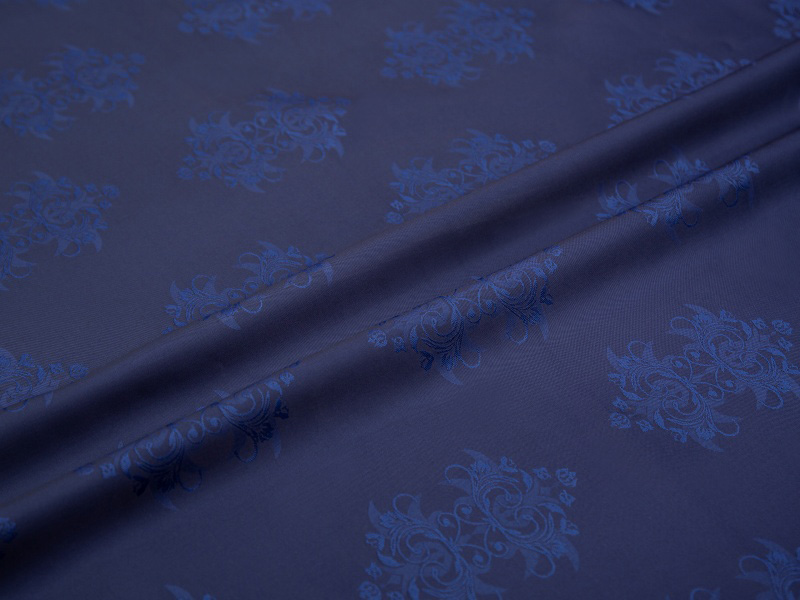
Bemberg lining fabrics typically range from 80 to 110 grams per square meter, with common weights around 100 GSM for standard suit applications. The fiber denier is fine, often in the 30D to 75D range, contributing to the lightweight yet durable character. Available in plain weave, twill, and satin finishes, Bemberg can be sourced in solid colors, prints, and jacquard patterns to match or contrast with outer fabrics.
Silk lining represents the pinnacle of luxury in garment construction. It is incredibly smooth, lightweight, and has a beautiful natural luster. Silk helps regulate body temperature effectively, keeping the wearer cool in warm weather and providing insulation in cooler conditions. It drapes exceptionally well and feels luxurious against the skin. However, silk is less durable than synthetic alternatives, susceptible to moisture staining, and requires delicate care including dry cleaning. Its higher price point makes it most suitable for formalwear, wedding suits, and special occasion garments rather than daily office wear.
Viscose and rayon are semi-synthetic fibers made from regenerated cellulose, offering a middle ground between natural and synthetic materials. They provide a smooth, soft hand feel with good breathability at a more accessible price point than silk or Bemberg. Viscose linings are lightweight, drape well, and absorb moisture effectively, making them comfortable for extended wear. They are commonly blended with polyester or cupro to enhance durability while maintaining comfort. For suits, viscose linings work well in moderate climates and for garments that are not subjected to extreme daily wear.
Cotton lining is soft, highly breathable, and hypoallergenic, making it ideal for casual jackets and garments worn close to sensitive skin. It absorbs moisture well and provides excellent airflow, which is particularly beneficial in warm weather. However, cotton lacks the slip and drape of silk or Bemberg, can wrinkle easily, and may bunch or shift within the garment over time. It is best suited for unstructured, casual suits and summer-weight jackets rather than formal business attire.
Polyester is the most common lining material in mass-produced suits and jackets due to its durability, wrinkle resistance, and low cost. It withstands repeated washing and wear without significant degradation. Standard polyester taffeta lining weighs approximately 50 to 70 GSM and offers a smooth, slightly shiny surface that helps garments slide on easily. However, basic polyester is less breathable than natural or semi-synthetic alternatives and can generate static electricity. Modern polyester blends and anti-static treatments have improved these characteristics, making polyester a practical choice for budget-conscious and frequently worn garments.
Acetate lining provides a silky smooth finish and good drape at a lower cost than silk or Bemberg. It is lightweight and offers reasonable breathability. However, acetate is less durable than polyester and more prone to wrinkling and water staining. It is commonly used in mid-range garments where a premium feel is desired without the corresponding price tag. Acetate requires dry cleaning to maintain its appearance and structural integrity.
Blends combining polyester and viscose, such as 50.5% polyester and 49.5% viscose, offer a balance of durability and comfort. These fabrics mimic the hand feel of cupro at a reduced cost, providing smoothness, moderate breathability, and improved longevity over pure viscose. They are widely used in ready-to-wear suits and represent a practical compromise for garments requiring both performance and value.
| Fabric Type | Breathability | Durability | Hand Feel | Typical GSM | Best Application |
|---|---|---|---|---|---|
| Bemberg Cupro | Excellent | High | Silky smooth | 80 to 110 | Premium suits, blazers |
| Silk | Excellent | Moderate | Luxurious | 60 to 80 | Formalwear, wedding suits |
| Viscose | Good | Moderate | Soft, smooth | 80 to 120 | Mid-range suits, dresses |
| Polyester | Fair | Very High | Smooth, slightly shiny | 50 to 70 | Budget suits, daily wear |
| Acetate | Moderate | Moderate | Silky | 60 to 90 | Mid-range formal jackets |
| Cotton | Very Good | Moderate | Soft, matte | 100 to 160 | Casual jackets, summer wear |
Climate is the primary factor in lining selection. For warm climates or individuals who run hot, breathability is essential. Bemberg cupro or silk promotes airflow and wicks moisture, keeping the wearer comfortable in stuffy environments. For cooler climates, a slightly heavier lining or one with insulating properties may be preferable. For daily office wear, durability becomes paramount. Bemberg offers the best combination of breathability and resilience for frequent use, while polyester provides maximum longevity at a lower cost.
The weight of the lining fabric directly influences how the jacket hangs on the body. A fully lined suit jacket with material throughout the entire interior feels substantial and structured. Heavier linings add form and rigidity, creating a sharp silhouette. Lighter linings like silk allow the jacket to move more fluidly. The lining weight should complement the outer fabric. A lightweight summer wool suit pairs best with a thin Bemberg or silk lining, while a heavy winter tweed suit can accommodate a slightly heavier twill or insulated lining.
The lining offers an opportunity for personal expression. Options include classic solid colors that complement the exterior fabric for a timeless professional look, or bold patterns and vibrant hues that reveal personality when the jacket opens. For solid-colored suits, a tone-on-tone lining creates elegance, while contrasting colors or patterns add visual interest. The lining color should harmonize with the outer fabric, considering that lining edges are visible at cuffs, vents, and when the jacket is unbuttoned.
Lining fabrics span a wide price range. Polyester sits at the most affordable end, offering durability and basic performance. Viscose and rayon occupy the mid-range, providing improved feel and breathability. Bemberg and silk represent the premium tier, delivering superior comfort, drape, and longevity. While it may be tempting to economize on the lining, remember that it is the layer in constant contact with the body and directly affects comfort and garment lifespan. Investing in quality lining is an investment in the entire suit.
Suit jackets are constructed with varying degrees of lining coverage, each suited to different climates, occasions, and style preferences.
A fully lined jacket has lining material throughout the entire interior, including the back, sides, and sleeves. This construction provides maximum structure, warmth, and protection for the outer fabric. It creates a smooth, polished interior appearance and helps the jacket maintain its shape over time. Fully lined suits are the standard for business and formal wear, particularly in cooler climates.
Half-lined jackets feature lining only in the upper back, shoulders, and sleeves, leaving the lower back and sides unlined. This design improves breathability and reduces bulk, making it ideal for warm weather and transitional seasons. The exposed lower portion allows heat to escape more easily and showcases the craftsmanship of the interior seams. Half-lined construction is popular in Italian-style summer suits and lightweight blazers.
Unlined jackets eliminate the lining entirely, relying on finished seam techniques to protect the interior. These garments are the lightest and most breathable, suited exclusively to warm weather and casual contexts. Deconstructed jackets may use minimal lining in key areas while leaving most of the interior exposed. These styles prioritize comfort and a relaxed aesthetic over formal structure.
Proper care extends the life of both the lining and the outer garment. Silk and Bemberg linings typically require dry cleaning to preserve their texture, drape, and colorfastness. Polyester and acetate linings may tolerate gentle machine washing depending on the garment construction, though dry cleaning remains the safer option for tailored suits. Cotton linings are the most washable but may shrink if not pre-treated.
When storing lined suits, use wide-shouldered hangers to maintain shape and allow adequate air circulation. Avoid overcrowding in closets, as friction between garments can cause pilling on delicate linings. Address lining tears promptly, as small rips can expand and compromise the structural integrity of the entire garment. A well-maintained lining protects the investment in a quality suit for years of reliable wear.
Copyright © Tongxiang Shunli Textile Technology Co., Ltd. All Rights Reserved.Custom Clothing Lining Fabrics Manufacturers
