

 English
 Español
 Français
ADDRESS
- Zicun, Chongfu Town, Tongxiang City, Zhejiang Province, China.
CONTACT
- Tel: +0086-13857379100
- Fax: +0086-0573-89372132
- Email: [email protected]
 2026-04-13
 Industry news
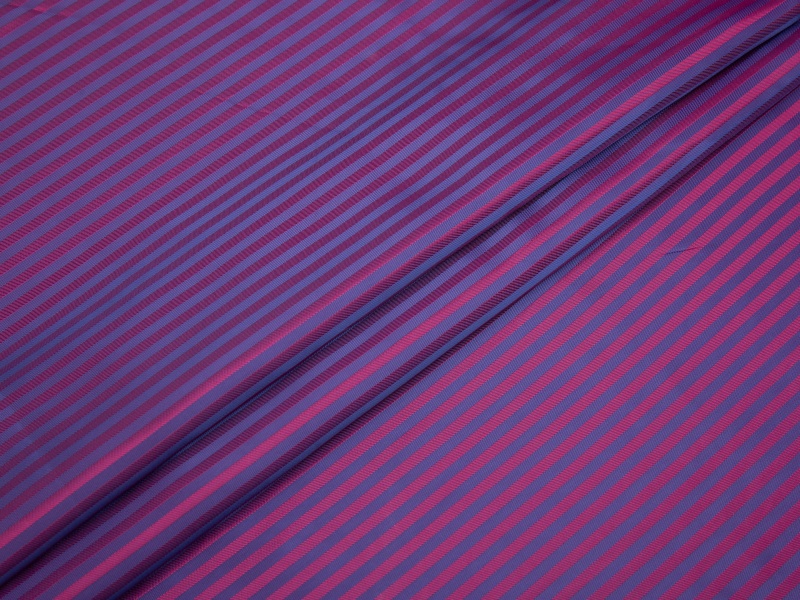
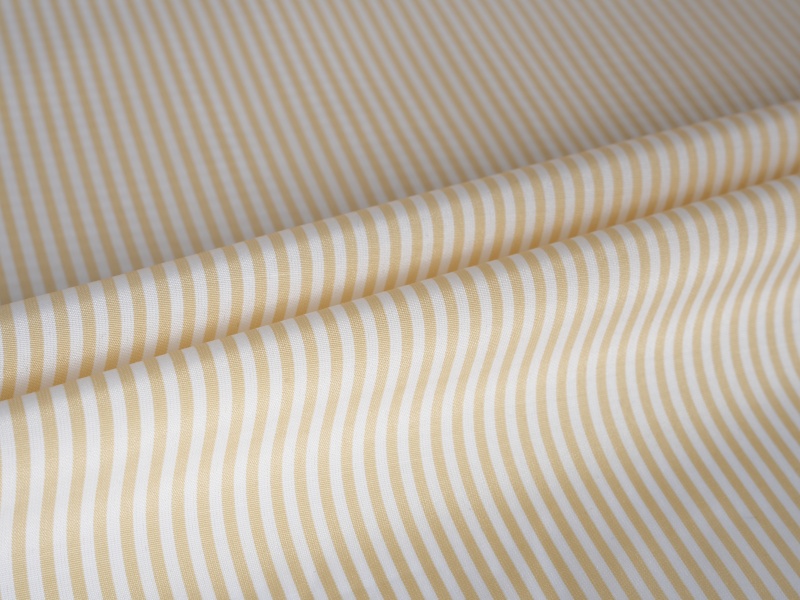
Yarn-dyed sleeve lining fabric is a lining textile in which the fiber or yarn is dyed before weaving, rather than piece-dyed after the fabric is constructed. This distinction has a direct impact on color depth, pattern precision, and long-term colorfastness—making yarn-dyed linings the preferred choice for tailored outerwear, suit jackets, and premium coats where the sleeve lining is both a functional and visible element.
Because color is locked into the yarn at the fiber level, yarn-dyed fabrics achieve superior wash and rub fastness ratings—typically ISO Grade 4–5—compared to piece-dyed equivalents, which are more susceptible to surface fading and crocking. For sleeve linings that experience constant friction against the arm and jacket shell, this durability advantage is significant.
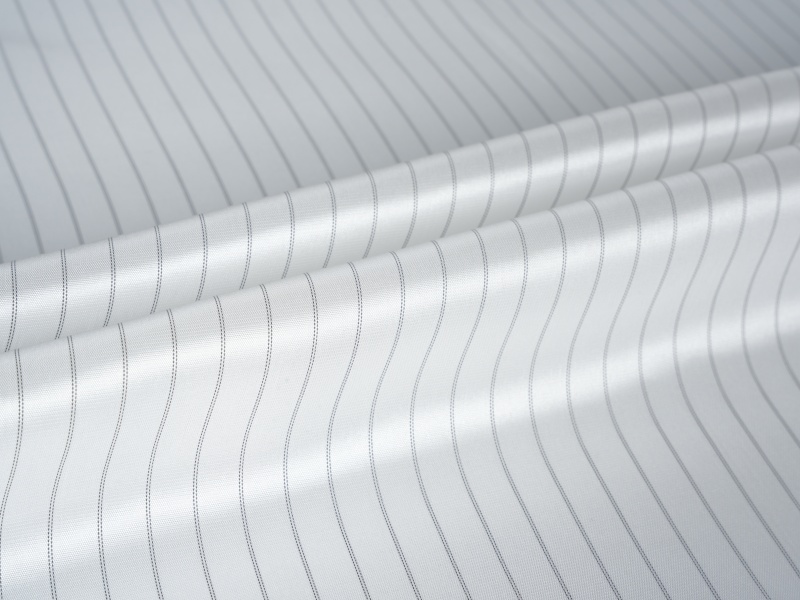
The yarn-dyeing process begins with raw fiber—most commonly polyester, acetate, viscose, or a blended combination—being wound onto cones or beams and immersed in dye baths under controlled temperature and pressure. The dye molecules penetrate the fiber cross-section rather than coating the surface, which produces several measurable performance benefits in the finished lining:
Yarn-dyed sleeve linings are produced in several weave constructions, each suited to different end-use requirements and price points.
| Weave / Construction | Typical Fiber | Key Characteristics | Common Application |
|---|---|---|---|
| Plain weave (taffeta) | Polyester, acetate | Smooth, lightweight, slight sheen | Suit jackets, blazers |
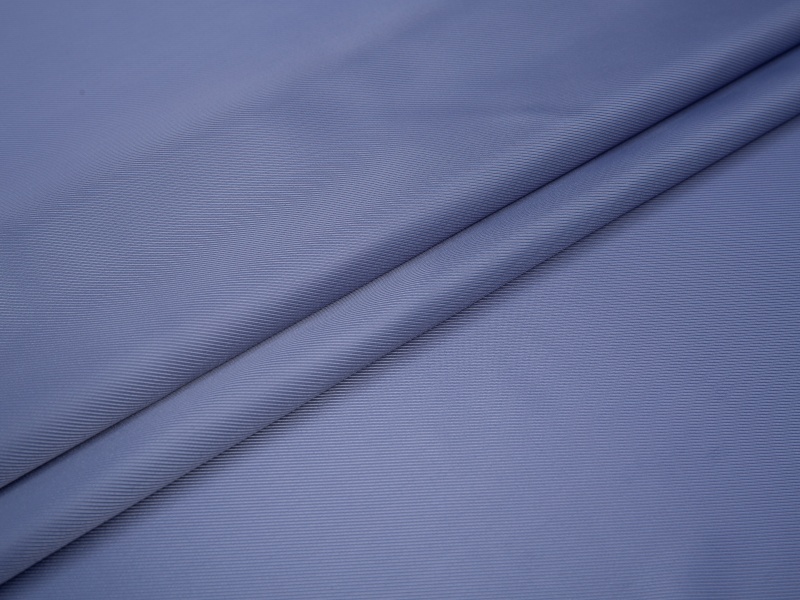
| Twill weave | Polyester/viscose blend | Diagonal texture, higher drape | Overcoats, wool outerwear |
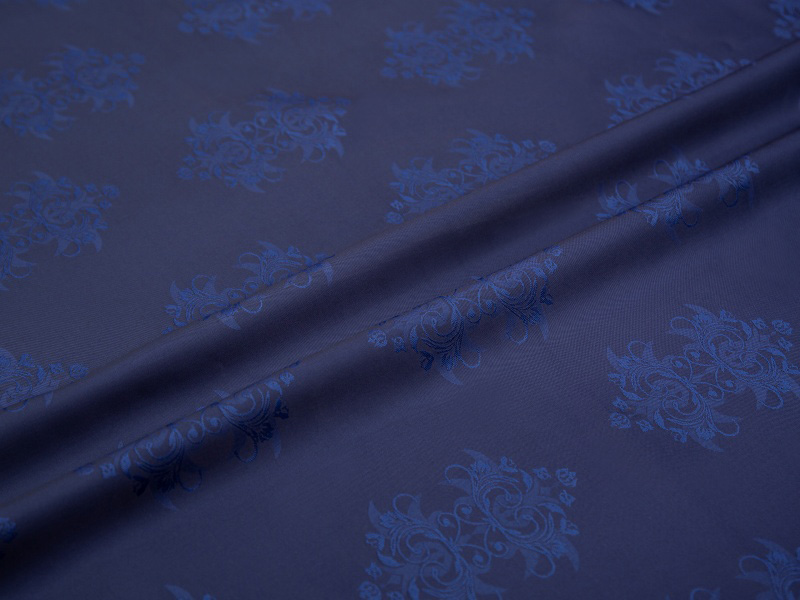
| Dobby / jacquard | Polyester, cupro | Woven geometric patterns, premium appearance | Luxury suits, bespoke tailoring |
| Satin weave | Polyester, acetate | High luster, very low friction | Formalwear, evening jackets |
Polyester yarn-dyed linings dominate the mid-market segment due to their abrasion resistance, dimensional stability, and low moisture absorption—typically below 0.4%—which keeps the sleeve lining shape-stable even in humid conditions. Acetate and cupro offer a more natural hand feel and breathability closer to silk, making them the standard in premium and luxury tailoring, though they require more careful finishing and garment care. Viscose blends sit between the two in terms of cost and performance, offering improved drape and a softer touch while remaining compatible with standard industrial washing protocols.
Sourcing yarn-dyed sleeve lining fabric requires evaluating a set of technical parameters that determine how the lining will perform through garment construction, use, and care. The following specifications are the most critical to confirm with suppliers before placing bulk orders:
Sleeve linings have moved beyond purely functional roles in contemporary menswear and womenswear tailoring. Contrasting yarn-dyed check and stripe linings—particularly glen plaid, windowpane, and micro-stripe constructions—have become a recognized design signature in premium suiting, offering a coordinated detail that is revealed when the jacket cuff is turned back or when the wearer reaches.
Two-color and three-color dobby patterns woven from yarn-dyed yarns are increasingly specified by brands seeking to differentiate their lining detail without the higher cost of custom jacquard development. The precision of yarn-dyed patterns—where each yarn interlacement is a distinct color rather than a printed approximation—gives these constructions a quality marker that is visually apparent on close inspection, supporting the perceived value of higher-price-point garments.
On the sustainability front, brands sourcing yarn-dyed linings are increasingly requesting OEKO-TEX Standard 100 certification and GRS (Global Recycled Standard) compliance, particularly for polyester-based constructions using recycled PET yarn. Pre-dyeing recycled polyester at the yarn stage produces less wastewater than equivalent piece-dyeing processes, making yarn-dyed lining fabrics a viable option for brands with documented chemical and water-use reduction commitments.

Copyright © Tongxiang Shunli Textile Technology Co., Ltd. All Rights Reserved.Custom Clothing Lining Fabrics Manufacturers
