


 English
 Español
 Français
ADDRESS
- Zicun, Chongfu Town, Tongxiang City, Zhejiang Province, China.
CONTACT
- Tel: +0086-13857379100
- Fax: +0086-0573-89372132
- Email: [email protected]
 2026-04-23
 Industry news
A fully lined suit constructed with Bemberg cupro or premium viscose lining delivers superior structure, drape, and durability for year-round professional wear. Butterfly lining, also known as half lining, reduces garment weight by approximately 30 percent while increasing breathability by 50 percent, making it the optimal choice for summer suits and warm climates. The selection of garment lining fabric directly determines how a lined suit feels against the skin, how it hangs on the body, and how many years of regular wear it will endure. Premium suit lining fabric such as cupro allows air circulation three times faster than standard polyester alternatives, preventing overheating during extended use.
Garment lining fabric serves as the functional and aesthetic layer between the outer shell and the wearer, influencing comfort, movement, and temperature regulation. Cupro, commonly marketed as Bemberg, remains the industry standard for high-end tailoring due to its silk-like hand feel and exceptional moisture management. This regenerated cellulose fiber absorbs up to 11 percent of its weight in moisture without feeling damp, then releases it quickly into the atmosphere. Viscose rayon offers similar breathability at a lower price point, though it lacks the same structural resilience over time.
Silk lining represents the premium tier of suit lining fabric, prized for its hypoallergenic properties and natural temperature regulation. A silk-lined suit feels noticeably cooler in summer and warmer in winter compared to synthetic alternatives. Polyester lining dominates the mass market because it costs roughly 60 percent less than cupro and resists wrinkling during travel. However, polyester absorbs only 0.4 percent moisture by weight, trapping perspiration against the body and increasing wearer discomfort during active use.
| Lining Material | Breathability Rating | Moisture Absorption | Typical Cost Level |
|---|---|---|---|
| Cupro Bemberg | Excellent | 11 percent | High |
| Viscose Rayon | Very Good | 13 percent | Medium |
| Silk | Excellent | 11 percent | Premium |
| Polyester | Low | 0.4 percent | Low |
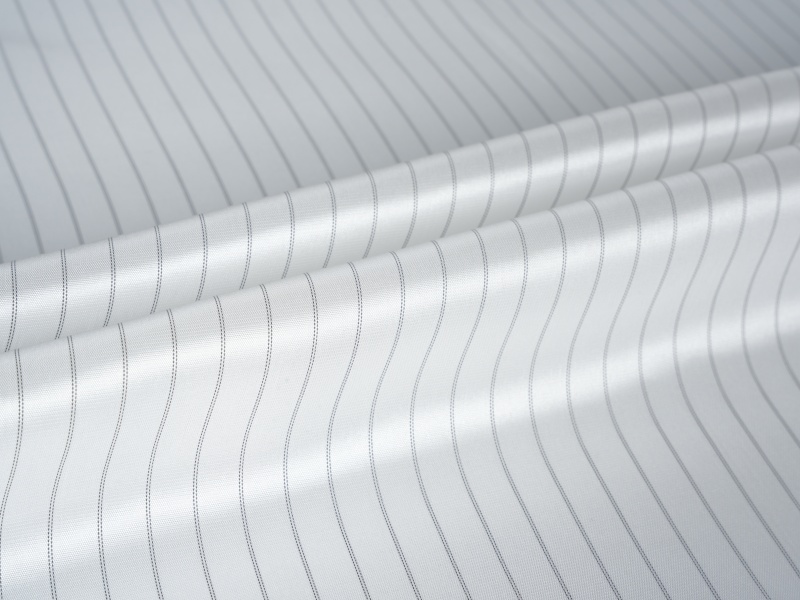
A full lined suit contains lining material across the entire interior, including the back panel, both front panels, and the sleeves. This construction method adds approximately 15 to 20 percent more weight to the finished garment compared to unlined alternatives, but the tradeoff delivers significant functional advantages. The clothing lining material acts as a protective buffer, reducing friction between the outer wool or cashmere shell and the wearer's shirt. This friction reduction decreases pilling and surface wear by up to 40 percent, extending the serviceable life of expensive suit fabric.
The lining in a fully lined suit provides structural support that helps the garment maintain its intended silhouette throughout the day. Without lining, lightweight suit fabrics tend to cling to the body or bunch at stress points such as the elbows and lower back. Tailors often use horsehair canvas interlining combined with smooth garment lining fabric to create a floating chest piece that moves independently from the outer cloth. This combination allows the suit jacket to drape cleanly while concealing internal construction details such as pocket bags and seam allowances from view.
Butterfly lining, also referred to as half lining, covers only the upper back and shoulder areas in a shape resembling butterfly wings, leaving the lower back and side panels unlined. This configuration reduces overall garment weight by approximately 30 percent compared to a fully lined equivalent while increasing air permeability by nearly 50 percent. The partial coverage still protects the shoulder seams and upper back from perspiration, which are the areas most prone to moisture accumulation during wear.
Butterfly lining suits dominate warm-weather tailoring because they allow body heat to escape through the unlined lower panels. In tropical and subtropical regions, bespoke clients frequently request butterfly lining in lightweight wool, linen, or cotton suits to maximize comfort during outdoor events. The exposed interior seams in a butterfly lined suit require additional finishing, such as taped or overlocked edges, to prevent fraying and maintain a clean appearance when the jacket opens. This construction demands higher craftsmanship standards than full lining because every internal stitch remains visible.
Selecting the appropriate suit lining fabric requires balancing performance requirements, climate conditions, and budget constraints. The lining must complement the outer fabric weight; a heavy flannel suit pairs poorly with lightweight acetate lining that lacks the tensile strength to support the structure. Conversely, a summer linen jacket needs breathable cupro lining that does not counteract the cooling properties of the open-weave shell. Tailors and buyers should evaluate four primary factors before finalizing lining selection.
The clothing lining material in a suit functions as a sacrificial layer that absorbs abrasion and perspiration before they reach the outer fabric. A high-quality lining distributes stress across seams and prevents the shell material from stretching at pressure points such as the elbows and underarms. Industry data indicates that a fully lined suit with premium Bemberg lining maintains its original appearance for 10 to 15 years with proper care, while an unlined or poorly lined equivalent shows significant wear within 3 to 5 years. This longevity differential makes lining selection one of the most cost-effective decisions in suit construction.
Lining replacement offers an economical method to extend suit life when the outer fabric remains sound. A skilled tailor can replace worn lining in approximately 8 to 12 hours of labor, costing roughly one-third the price of a new mid-tier suit. Signs that lining requires replacement include seam splitting at the armscye, permanent staining in the underarm area, and thinning fabric that allows internal construction to show through. Regular rotation between multiple suits reduces lining wear by allowing perspiration to evaporate fully between wearings, particularly important for garments with natural fiber lining that degrades when stored damp.

Copyright © Tongxiang Shunli Textile Technology Co., Ltd. All Rights Reserved.Custom Clothing Lining Fabrics Manufacturers
