


 English
 Español
 Français
ADDRESS
- Zicun, Chongfu Town, Tongxiang City, Zhejiang Province, China.
CONTACT
- Tel: +0086-13857379100
- Fax: +0086-0573-89372132
- Email: [email protected]
 2026-03-24
 Industry news
Lining cloth is the interior fabric layer stitched inside a garment to conceal seam allowances, protect the outer shell from body contact and perspiration, improve drape and silhouette, and make garments easier to put on and remove. In tailored outerwear, formal suits, dresses, skirts, and bags, the lining is a functional and aesthetic component that directly affects how the finished product wears, lasts, and is perceived by the end customer.
Among lining fabric categories, printed lining cloth fabrics and polyester lining cloth fabrics are two of the most widely specified in both volume garment manufacturing and bespoke tailoring. Each has distinct construction characteristics, performance properties, and aesthetic possibilities that make it suited to different end uses. Understanding these differences helps designers, garment manufacturers, and buyers make informed sourcing decisions from the outset of a product development cycle.
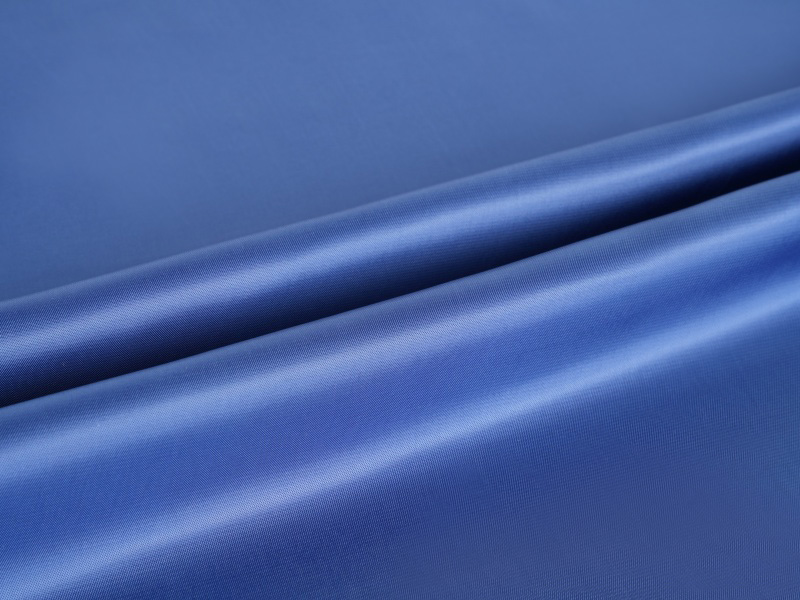
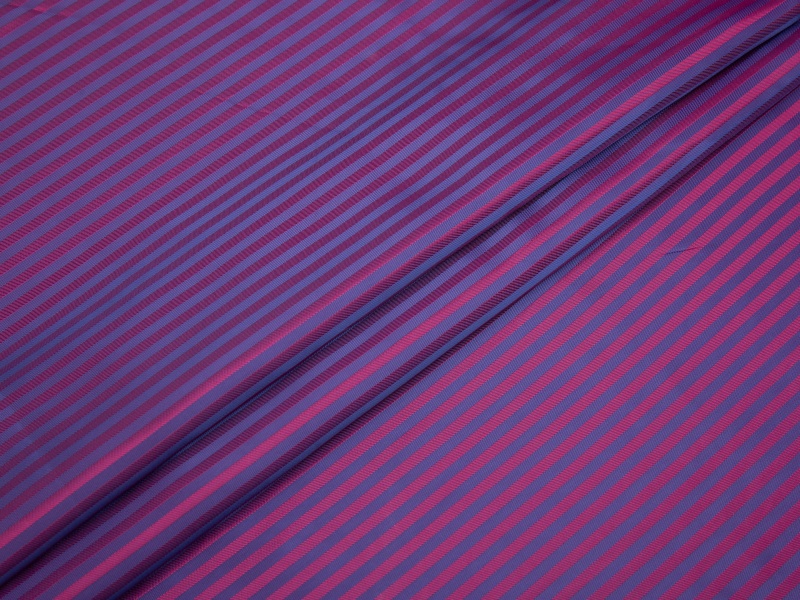
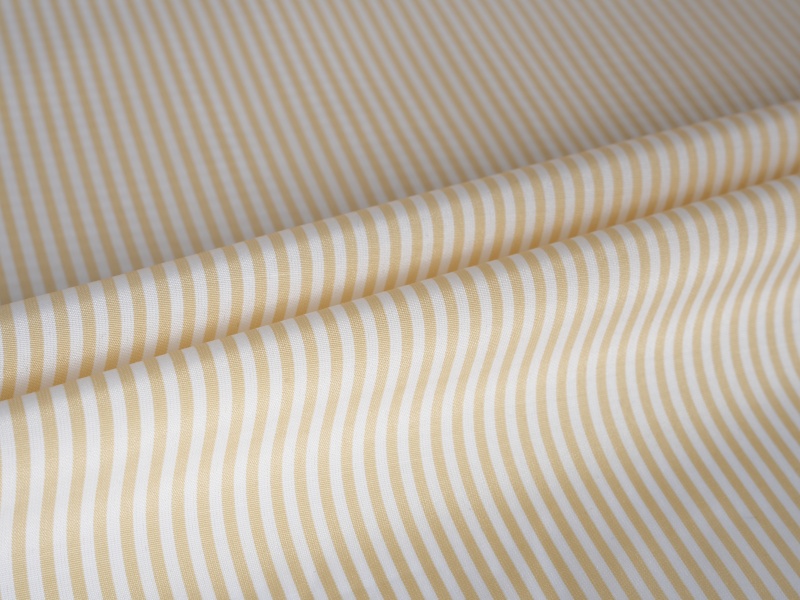
Printed lining cloth fabric is a woven or knitted lining base that has been decorated with a pattern, motif, or design applied through a printing process after weaving. The base fabric can be made from polyester, acetate, viscose, cupro, or blended fibers -- the defining characteristic is the printed surface rather than the fiber content alone.
Printing transforms a plain or solid lining into a branded or design-led interior element. In premium menswear and womenswear, the lining print is a signature detail that communicates brand identity, craftsmanship, and attention to interior finish. Savile Row tailors, luxury coat makers, and designer fashion houses use proprietary printed linings as a recognizable house code visible only to the wearer -- a form of hidden branding that differentiates the garment at close inspection.
The quality, vibrancy, and durability of the printed design depend heavily on the printing method applied. The main processes used in lining fabric printing are:
Printed lining fabrics must meet defined color fastness standards to prevent dye migration onto the outer shell fabric or visible fading in service. The key test standards include ISO 105-C06 (washing fastness), ISO 105-X12 (rubbing fastness), and ISO 105-B02 (light fastness). For lining fabrics in garments that will be dry-cleaned, ISO 105-D01 testing is additionally required. Minimum acceptable ratings for commercial lining applications are typically grade 3 to 4 on a scale of 1 to 5 for washing and rubbing fastness, with higher grades required for premium and export market applications.
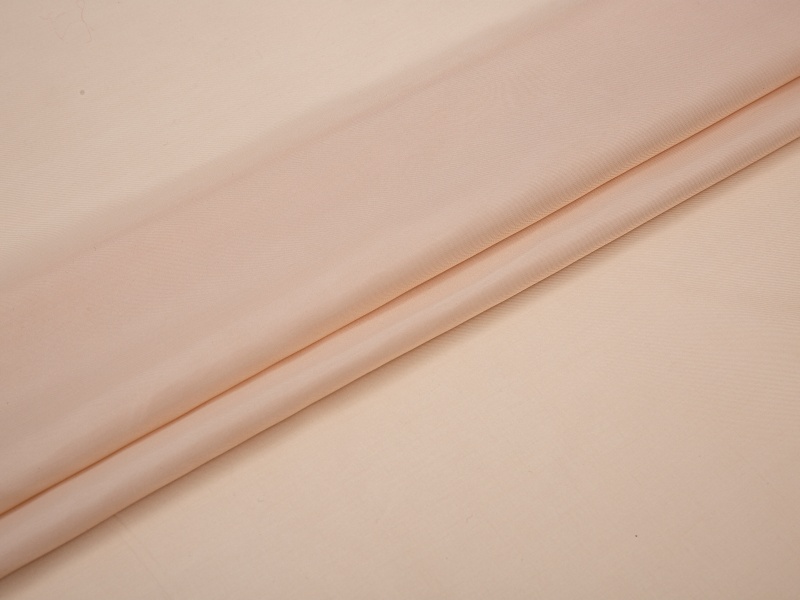
Polyester lining cloth fabric is woven from polyester filament yarn and is the most widely used lining material in global garment manufacturing. Its dominance comes from a combination of properties that address the core functional requirements of a lining: smooth surface for easy dressing, dimensional stability, resistance to shrinkage and stretching, durability over repeated wear and cleaning cycles, and a price point accessible across all market segments from fast fashion to mid-market tailoring.
Polyester lining fabrics are produced in several standard constructions, each with distinct handle and performance characteristics:
Woven in a plain weave from flat or textured polyester filament, taffeta is the most common lining construction globally. It has a crisp, slightly papery handle, a subtle luster, and excellent tear strength relative to its weight. Standard lining taffeta weights range from 40 to 80 gsm. Lighter weights (40 to 55 gsm) are used in unlined-look garments and lightweight summer jackets, while heavier weights (65 to 80 gsm) are preferred in structured outerwear and tailored suits where the lining must resist stress at seam points without puckering.
Woven in a satin weave with long float yarns on the face side, polyester satin lining has a high-gloss surface and a softer, more fluid drape than taffeta. It is the preferred lining for evening wear, bridal garments, premium dresses, and luxury outerwear where the interior appearance and tactile quality are important. The smooth face of satin lining also reduces friction against the outer shell fabric during wear, which is beneficial in structured garments where ease of movement matters.
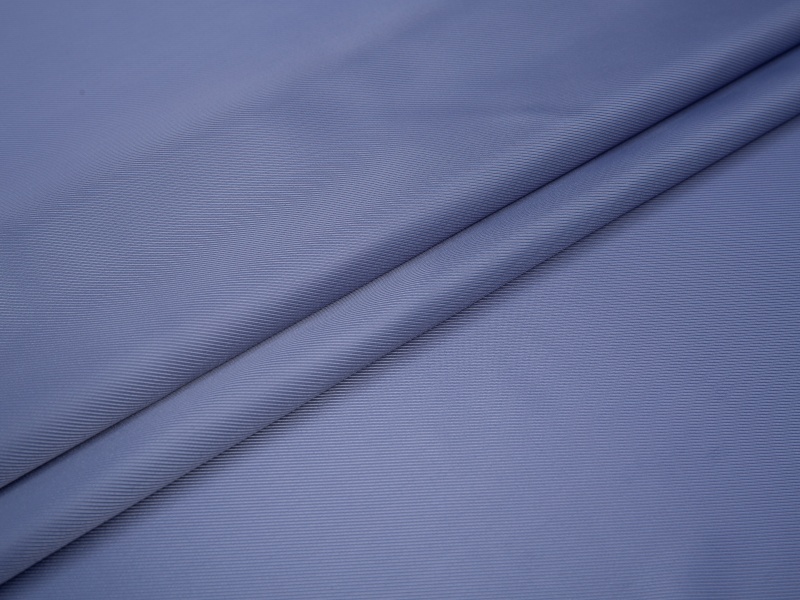
Woven in a 2x1 or 2x2 twill construction, polyester twill lining combines good drape with higher tear and abrasion resistance than plain or satin weaves. It is specified in workwear, outerwear, and utility garments where the lining must withstand more mechanical stress than in fashion applications. The diagonal rib of the twill weave also provides a degree of stretch bias, which can improve fit and comfort in fitted garment styles.
For stretch garments and activewear, polyester knit linings -- including interlock, jersey, and mesh constructions -- provide the two-way stretch required to move with the outer fabric without restricting the wearer. These are widely used in sportswear, swimwear, leggings, and fitted dresses where a woven lining would restrict movement and cause discomfort.
| Parameter | Printed Lining Cloth Fabric | Plain Polyester Lining Cloth Fabric |
|---|---|---|
| Aesthetic function | Decorative, brand-defining interior detail | Clean, understated interior finish |
| Design flexibility | High -- unlimited pattern and colorway options | Limited to solid colors and weave textures |
| Minimum order quantity | Higher for screen printing (500 to 1000 m per colorway) | Low -- typically 50 to 200 m from stock |
| Lead time | 4 to 10 weeks for custom print development | 1 to 3 weeks from stock |
| Unit cost | Higher due to printing process and setup costs | Lower -- commodity pricing at volume |
| Market segment | Premium, designer, bespoke, branded fashion | Volume garments, workwear, mid-market fashion |
| Care requirements | Follow print fastness rating -- dry clean if required | Machine washable in most constructions |
Beyond aesthetics and print method, several technical performance properties determine whether a lining fabric is fit for its intended application:

Copyright © Tongxiang Shunli Textile Technology Co., Ltd. All Rights Reserved.Custom Clothing Lining Fabrics Manufacturers
