


 English
 Español
 Français
ADDRESS
- Zicun, Chongfu Town, Tongxiang City, Zhejiang Province, China.
CONTACT
- Tel: +0086-13857379100
- Fax: +0086-0573-89372132
- Email: [email protected]
 2026-03-17
 Industry news
The right lining fabric is as critical to a suit's performance as its outer shell. Whether you're a tailor, apparel manufacturer, or fashion buyer, choosing between polyester, polyester-viscose, yarn-dyed, or printed lining fabrics directly affects the garment's comfort, durability, longevity, and visual appeal. The short answer: polyester lining fabric dominates the market for its cost-efficiency and durability; polyester-viscose blends offer a premium feel at a mid-range price; yarn-dyed sleeve lining delivers refined aesthetics and lasting color; and printed lining fabrics provide creative expression and brand differentiation. This article unpacks each category in depth so you can match the right lining to your suit's needs.
Suit lining serves a structural and functional purpose that goes far beyond aesthetics. It protects the outer fabric from body oils and sweat, reduces friction so the jacket slides on and off effortlessly, and helps the garment hold its silhouette over time. According to industry sourcing data, lining fabric accounts for roughly 8–12% of total garment material cost in men's tailored suits, yet its quality has an outsized impact on how the suit wears and ages.
A poorly chosen lining bunches, tears at the seams, generates static, or breaks down after repeated dry-cleaning cycles. A well-chosen one moves with the body, breathes adequately, and retains its color and texture through years of use. Understanding the technical differences between the four main categories of suit lining fabrics is the foundation of any quality tailoring or manufacturing decision.
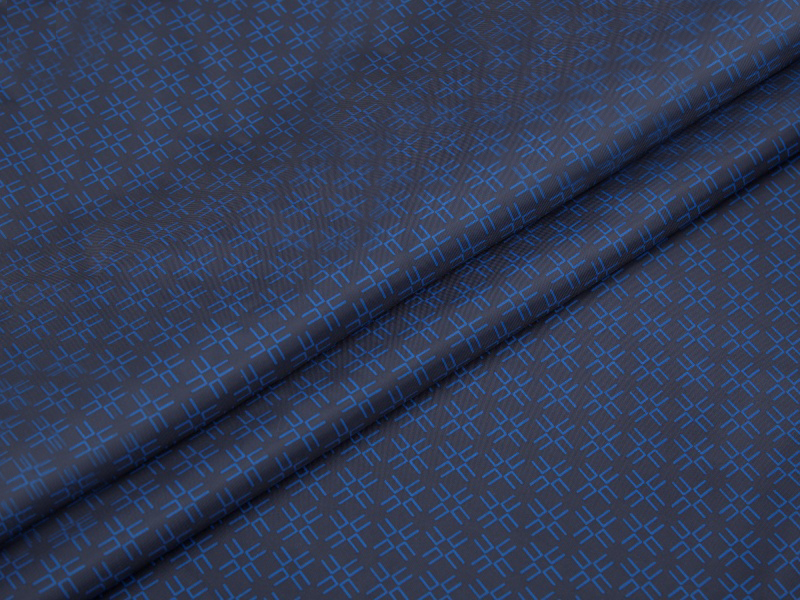
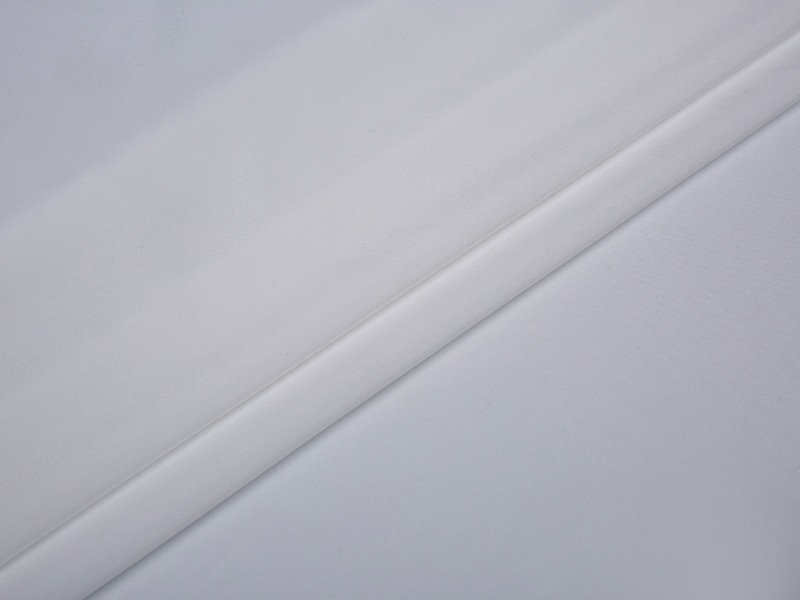
Polyester lining fabric is the most widely used lining material in the global suit industry, and for good reason. It is affordable, highly durable, and resistant to wrinkling and shrinkage. Woven from 100% polyester filament yarn, it offers consistent thread counts and uniform surface smoothness that make it easy to cut and sew at scale.
Polyester lining is best suited for mass-market suits, workwear jackets, and school uniforms where durability and washability are prioritized over luxury feel. It is also the preferred choice for sportswear-inspired tailoring and technical suits designed for active wear, given its superior abrasion resistance.
One practical note for manufacturers: polyester lining has low breathability, which can be a drawback in warm-weather suiting. Some mills offset this by using a dobby or satin weave structure that creates micro air pockets, improving ventilation without sacrificing the fabric's core properties.
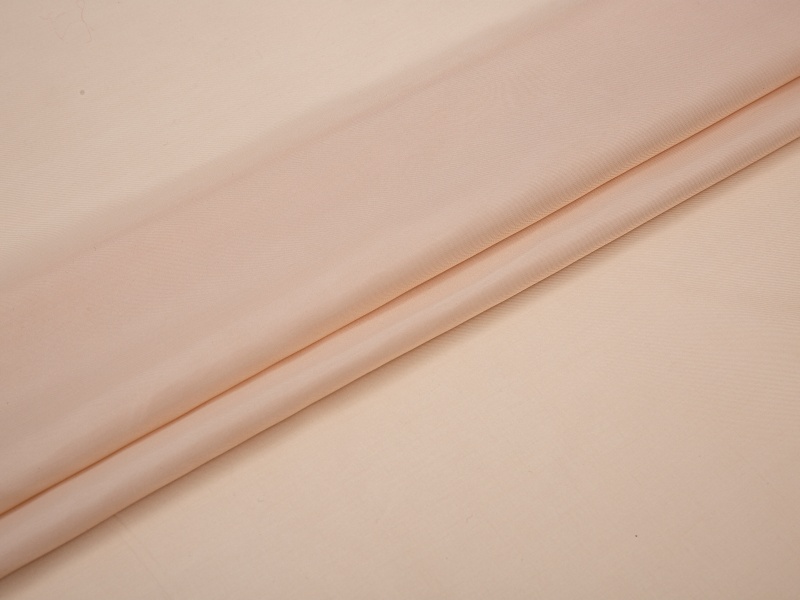
Polyester viscose lining fabric blends the structural resilience of polyester with the soft, breathable qualities of viscose (also known as rayon). The most common blend ratios are 65% polyester / 35% viscose or 50% / 50%, with each ratio offering a distinct balance of properties.
| Blend Ratio (PES/VIS) | Hand Feel | Breathability | Durability | Typical Price Range (per meter) |
|---|---|---|---|---|
| 65% / 35% | Smooth, light sheen | Moderate | High | $1.20 – $2.50 |
| 50% / 50% | Softer, matte finish | Good | Medium-High | $1.80 – $3.50 |
| 30% / 70% | Silk-like drape | High | Medium | $2.50 – $5.00 |
Viscose's natural cellulose structure absorbs moisture at a rate of approximately 11–13%, dramatically higher than pure polyester. This makes the blended fabric notably more comfortable against the skin during extended wear. Viscose also dyes with exceptional vibrancy, meaning polyester-viscose linings can achieve deeper, richer colors compared to all-polyester alternatives.
The trade-off is that higher viscose content increases the risk of shrinkage and reduces resistance to repeated washing. This is why dry-clean-only care instructions are almost universally recommended for suits with polyester-viscose linings above 50% viscose content.
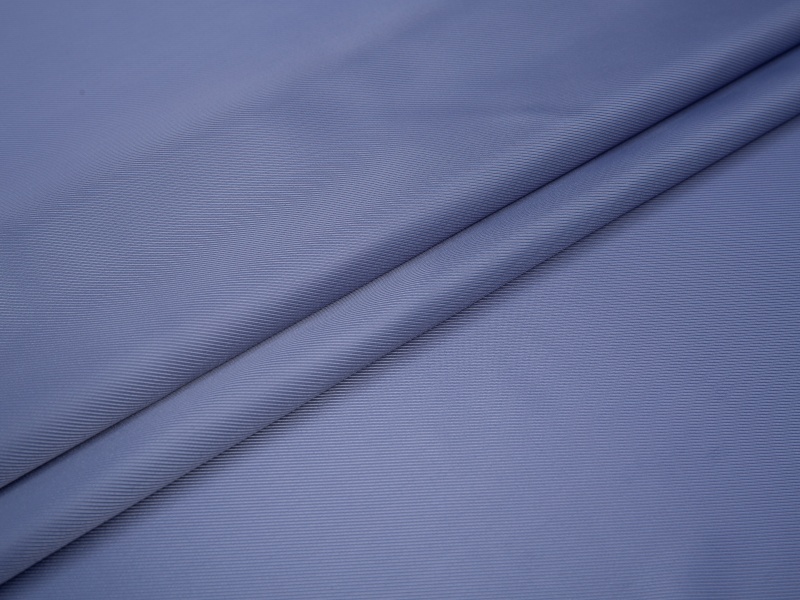
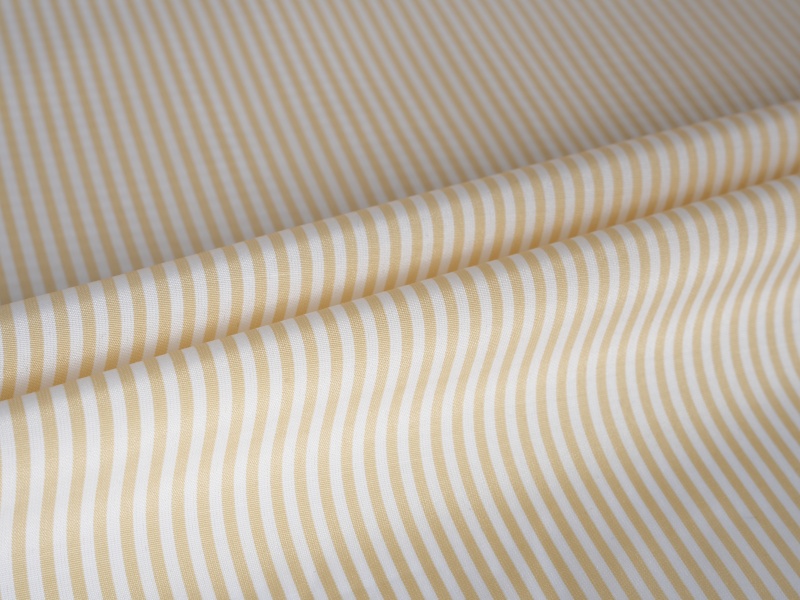
Yarn-dyed sleeve lining fabric is produced by dyeing the yarn before weaving, rather than piece-dyeing the finished fabric. This distinction is critically important: because the color penetrates the fiber at the yarn stage, the resulting fabric exhibits far superior color fastness and dimensional stability.
In piece-dyed fabrics, color sits on the surface of the woven structure and can fade, bleed, or rub off (crocking) under stress. Yarn-dyed fabrics, by contrast, have color integrated throughout each individual filament. Testing per ISO 105-X12 (rubbing fastness) shows yarn-dyed linings typically achieve a rating of 4–5, compared to 3–4 for many piece-dyed alternatives.
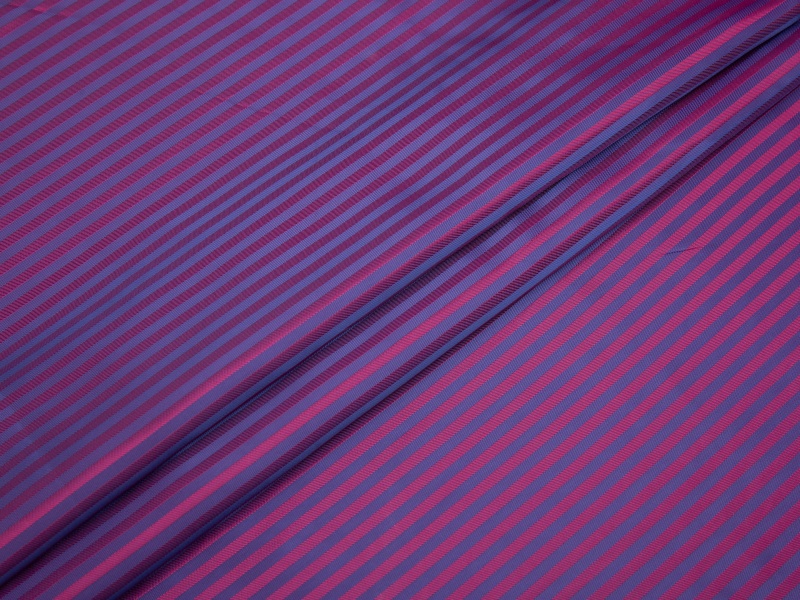
Yarn dyeing also enables the creation of stripes, checks, and plaids within the weave structure itself — patterns that are structurally integral to the fabric rather than printed on top. This gives yarn-dyed sleeve linings a distinct visual depth and tactile character that is impossible to replicate with surface printing.
The sleeve area of a suit experiences the highest friction and stress of any lining zone — every time the wearer puts on or removes the jacket, the sleeve lining bears the brunt of that movement. This is why dedicated sleeve lining fabrics are specified by quality tailors, with yarn-dyed constructions preferred for their combination of durability, visual refinement, and resistance to pilling.
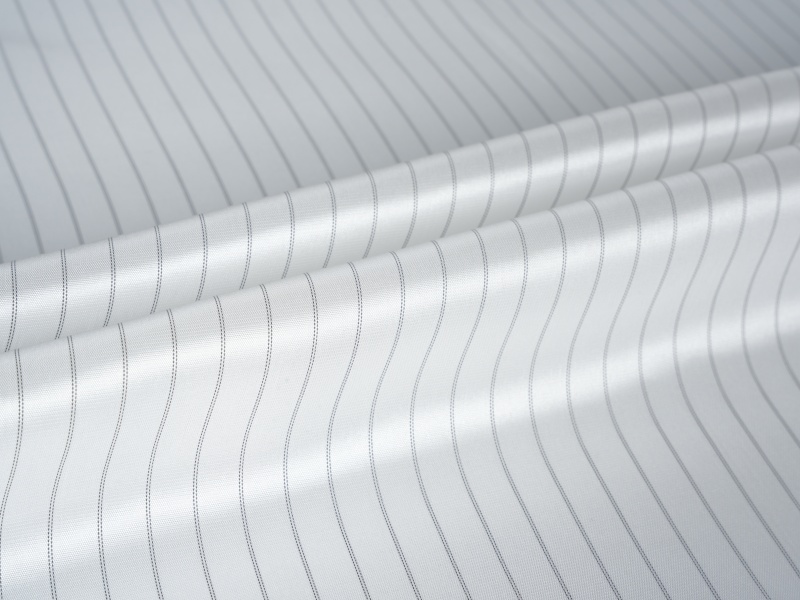
Common yarn-dyed sleeve linings feature a twill or satin weave for a low-friction surface, with warp and weft yarns in contrasting or complementary colors to create subtle visual interest. In Savile Row-quality tailoring, a matching or tonal yarn-dyed sleeve lining is considered an indicator of the garment's overall quality tier.
Printed lining fabric transforms the interior of a suit from a purely functional element into a statement of brand identity or personal style. From bold geometric motifs to photographic prints, from heritage paisleys to custom logo repeats, printed linings are increasingly used by fashion houses, custom tailors, and emerging brands to differentiate their products in a competitive market.
Not all prints work well in a suit lining context. The lining is cut and seamed into panels, which means large-scale repeat patterns can be disrupted by seam placement, creating a visually fragmented effect. Experienced designers typically work with repeat sizes of 3–8 cm for lining applications to ensure pattern continuity across panels.
Color choice is also strategic: dark exterior suits often feature bold, contrasting lining prints — burgundy paisleys, electric blue geometrics — that create a dramatic reveal when the jacket is opened. Lighter suits may use more subdued tonal prints to maintain overall elegance.
When selecting a suit lining fabric, the decision typically comes down to five key factors: comfort, durability, aesthetics, cost, and production compatibility. The table below summarizes how each of the four main lining types performs across these dimensions.
| Lining Type | Comfort | Durability | Aesthetic Range | Cost Efficiency | Best Suit Tier |
|---|---|---|---|---|---|
| Polyester Lining | Moderate | Very High | Solid colors, basic patterns | Very High | Mass market / Workwear |
| Polyester Viscose Lining | Good–High | High | Rich colors, subtle sheen | High | Mid-range / Business suits |
| Yarn-Dyed Sleeve Lining | High | Very High | Stripes, checks, woven depth | Medium | Premium / Bespoke tailoring |
| Printed Lining | Moderate–High | Medium | Unlimited design freedom | Medium | Designer / Branded / Custom |
The selection process should begin with a clear understanding of the suit's end-use context, price positioning, and target wearer. Here is a practical decision framework:
When sourcing suit lining fabrics from mills or distributors, the following certifications and quality benchmarks provide meaningful assurance:
Major lining fabric producing regions include China (Zhejiang and Jiangsu provinces), South Korea, Italy (Como), and Japan. Italian and Japanese mills are generally associated with higher-end yarn-dyed and jacquard linings, while Chinese mills offer the broadest range across all four categories at highly competitive price points.
Copyright © Tongxiang Shunli Textile Technology Co., Ltd. All Rights Reserved.Custom Clothing Lining Fabrics Manufacturers
