


 English
 Español
 Français
ADDRESS
- Zicun, Chongfu Town, Tongxiang City, Zhejiang Province, China.
CONTACT
- Tel: +0086-13857379100
- Fax: +0086-0573-89372132
- Email: [email protected]
 2026-07-20
 Industry news
The lining fabric inside a garment does more work than most people realize — it affects how a dress drapes, how comfortable it feels against skin, and how well the outer fabric holds its shape over time. This guide covers why rayon is such a popular lining choice, how it compares to polyester, and how to choose the right lining for your project.
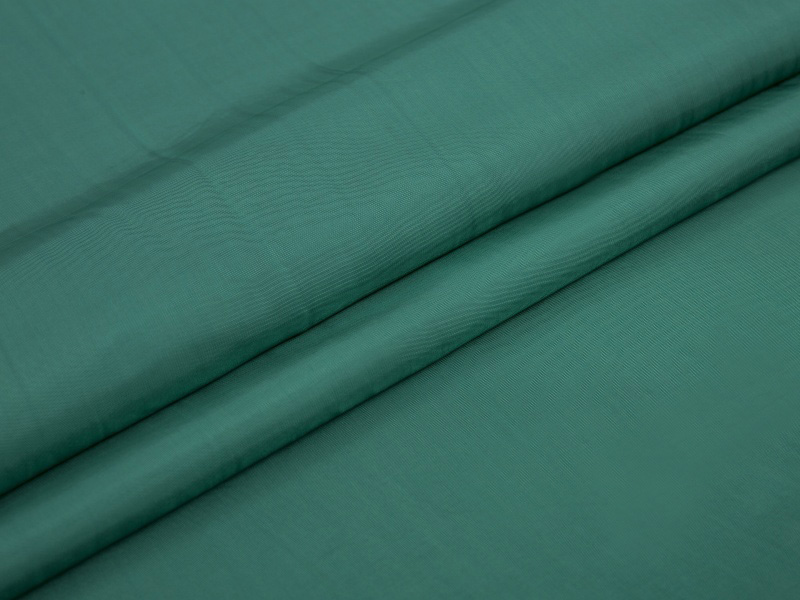
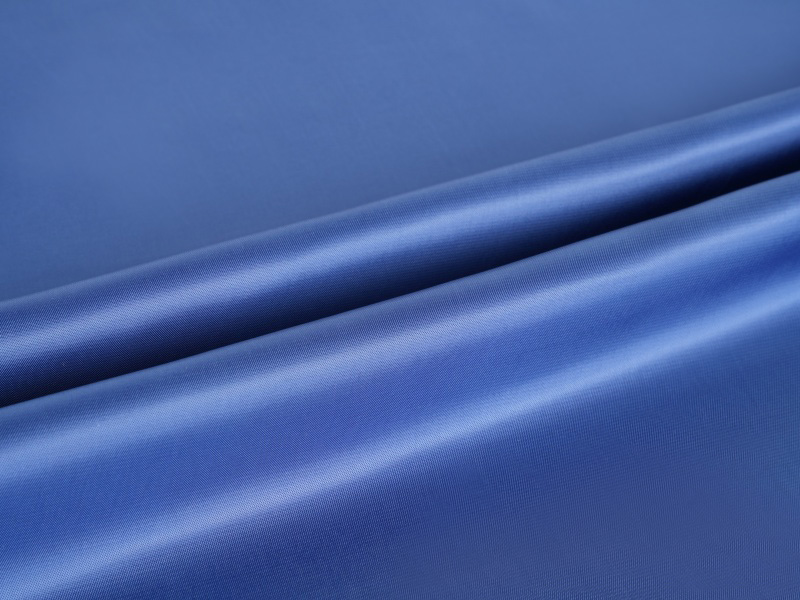
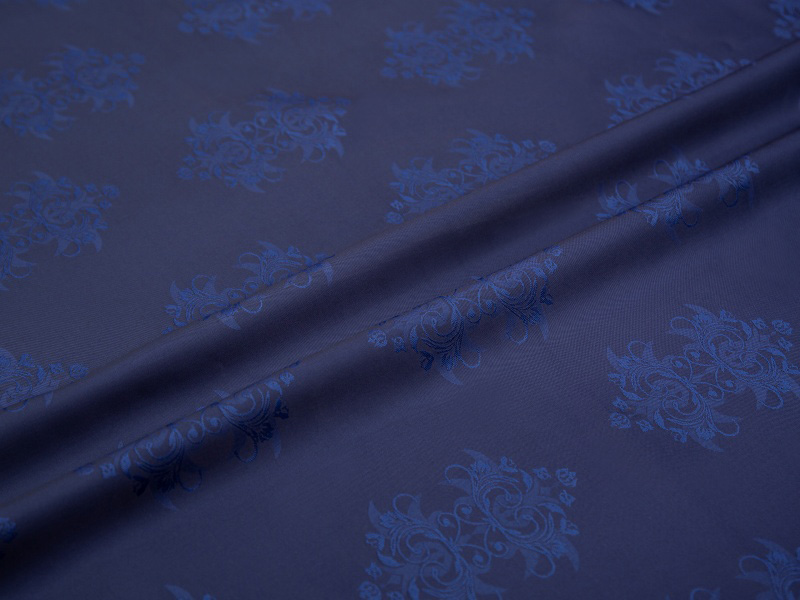
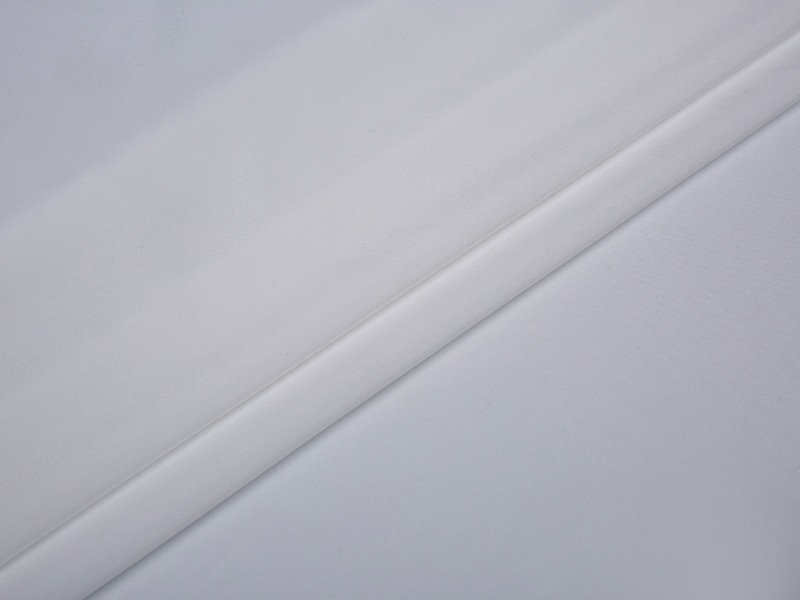
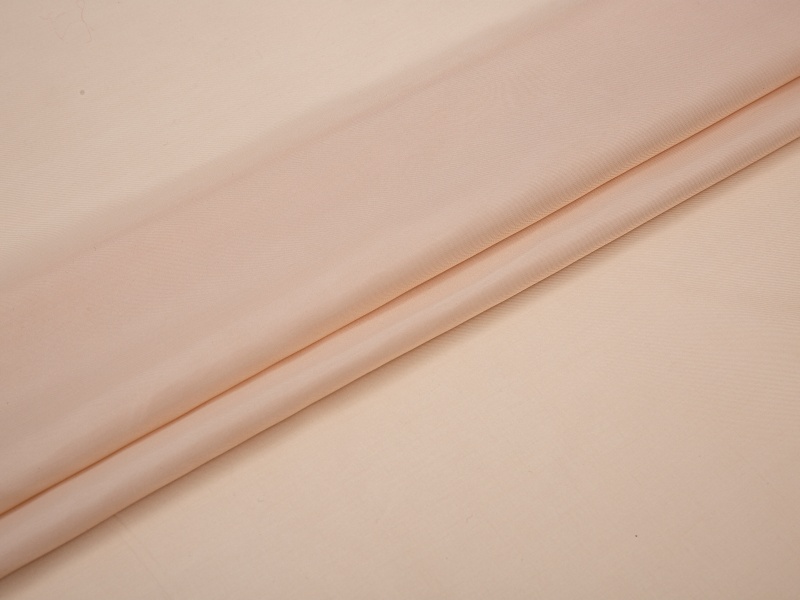
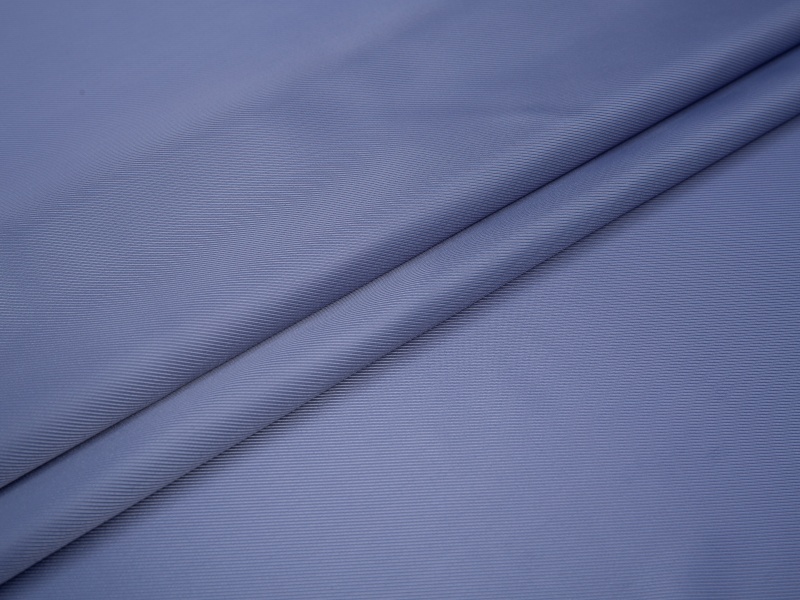
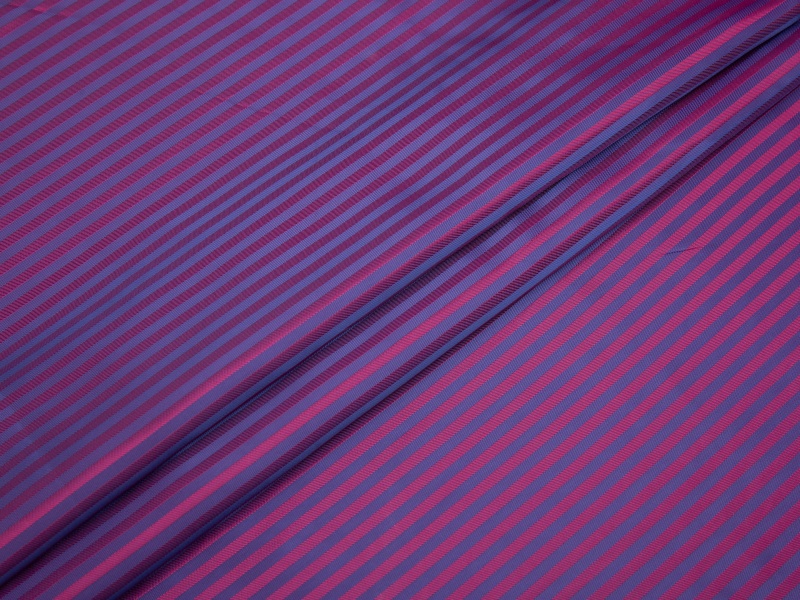
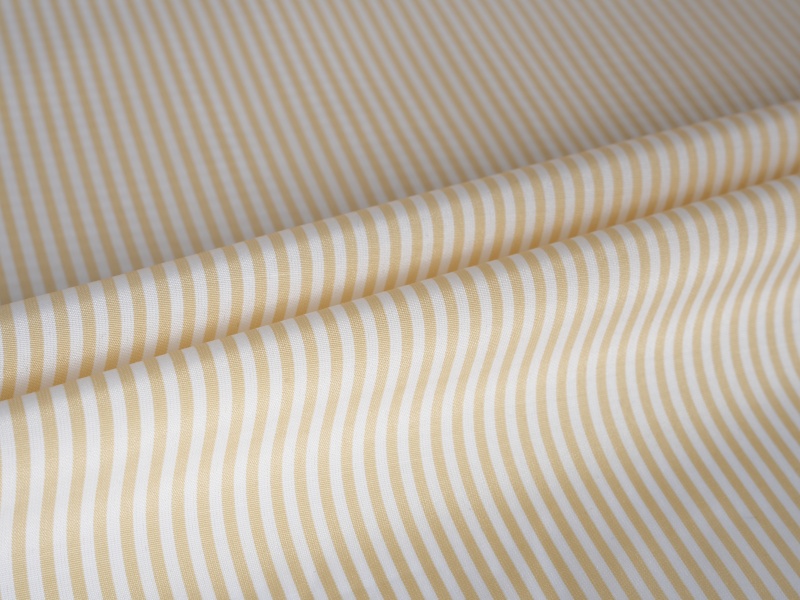
Rayon lining fabric is a lightweight, semi-synthetic fabric made from regenerated cellulose fiber, giving it a soft hand feel and fluid drape closer to natural fibers like silk or cotton than most fully synthetic alternatives. As a lining material, rayon sits between the body and the outer garment fabric, providing a smooth interior surface that helps the outer fabric slide on easily and hang properly.
Comfortable against skin, closer to natural fiber softness than most synthetics.
Allows better airflow than fully synthetic lining options.
Moves and falls naturally, supporting the outer fabric's silhouette.
Rayon lining fabric for dresses is particularly popular because it supports a garment's drape without adding bulk or stiffness, which matters for fitted or flowing silhouettes where the lining needs to move with the body rather than fight against it. Rayon lining fabric for clothing more broadly extends to skirts, jackets, and tailored pieces, where its breathability and softness improve overall wearability compared to stiffer or less breathable lining alternatives.
There's no single fabric that's universally "best" for dress lining — the right choice depends on the outer fabric's weight, the garment's silhouette, and the wearer's comfort priorities. That said, a few materials consistently come up as strong choices: rayon for its breathability and soft drape, silk for a premium, luxurious feel at a higher price point, and polyester for budget-friendly durability and easy care. For most everyday dresses, rayon strikes a practical balance between comfort, drape, and cost that makes it a common default recommendation.
| Factor | What to Consider |
|---|---|
| Outer fabric weight | Match lining weight to avoid the lining overpowering or under-supporting the outer fabric |
| Garment silhouette | Fluid, draping designs benefit from soft, flowing lining like rayon or silk |
| Climate and comfort | Breathable fibers matter more for warm-weather or close-fitting garments |
| Care requirements | Consider whether the finished garment needs to be machine washable |
| Budget | Natural and semi-synthetic fibers generally cost more than polyester |
Key factors to weigh when choosing lining fabric for a clothing project.
| Factor | Rayon Lining | Polyester Lining |
|---|---|---|
| Breathability | Good, closer to natural fiber performance | Lower, can feel warmer against skin |
| Hand feel | Soft, smooth, fluid drape | Smoother but less fluid, can feel synthetic |
| Durability | Moderate, can be more delicate when wet | High, resists wrinkling and wear well |
| Care | Often requires gentler washing or dry cleaning | Generally easy-care, machine washable |
| Cost | Mid-range | Generally more budget-friendly |
Comparison of rayon and polyester lining fabric.
Rayon lining vs polyester lining ultimately comes down to prioritizing comfort and drape versus durability and easy care. Rayon tends to be the choice for garments where how the lining feels and moves matters most — special occasion dresses, tailored pieces meant to drape well — while polyester is often chosen for everyday, frequently worn or washed garments where low-maintenance durability outweighs the softer feel of rayon.
Handle with care when cutting: rayon can be slippery to cut and sew, so pinning generously and using sharp shears helps maintain accuracy.
Check care instructions before washing: many rayon fabrics require gentle washing or dry cleaning to avoid shrinkage or distortion.
Pre-wash or pre-treat when possible: testing shrinkage before cutting final pattern pieces helps avoid fit issues in the finished garment.
Press with a lower heat setting: rayon can scorch more easily than sturdier synthetic fabrics, so test heat settings on a scrap piece first.
With the right handling, rayon lining rewards the extra care with a finished garment that feels noticeably more comfortable and drapes more naturally than many lower-cost synthetic alternatives.
Copyright © Tongxiang Shunli Textile Technology Co., Ltd. All Rights Reserved.Custom Clothing Lining Fabrics Manufacturers
