

 English
 Español
 Français
ADDRESS
- Zicun, Chongfu Town, Tongxiang City, Zhejiang Province, China.
CONTACT
- Tel: +0086-13857379100
- Fax: +0086-0573-89372132
- Email: [email protected]
 2026-07-14
 Industry news
Lining fabric rarely gets noticed when it's doing its job well — smooth drape, no clinging, no visible seams pulling through the outer shell. It gets noticed the moment it's the wrong choice: static cling, poor breathability, or a lining that wears out long before the garment it's inside. Getting the material right starts with understanding what lining actually needs to do.
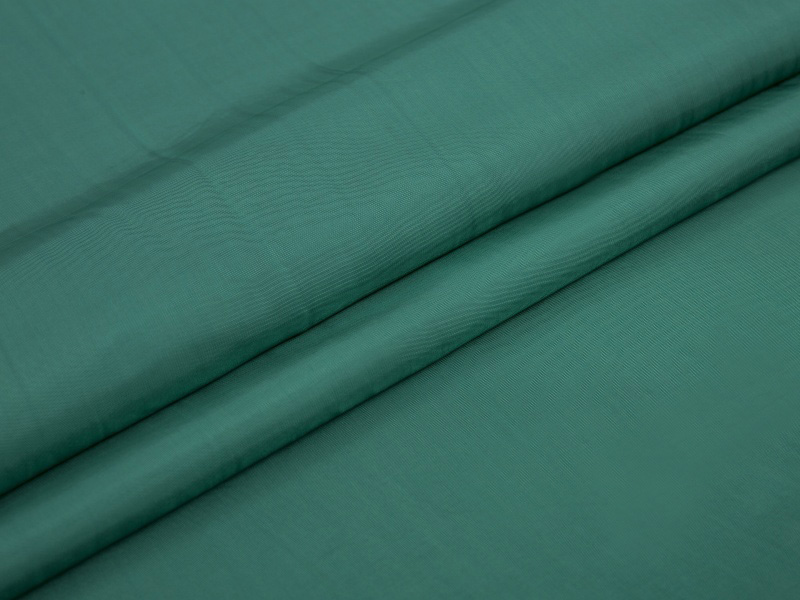
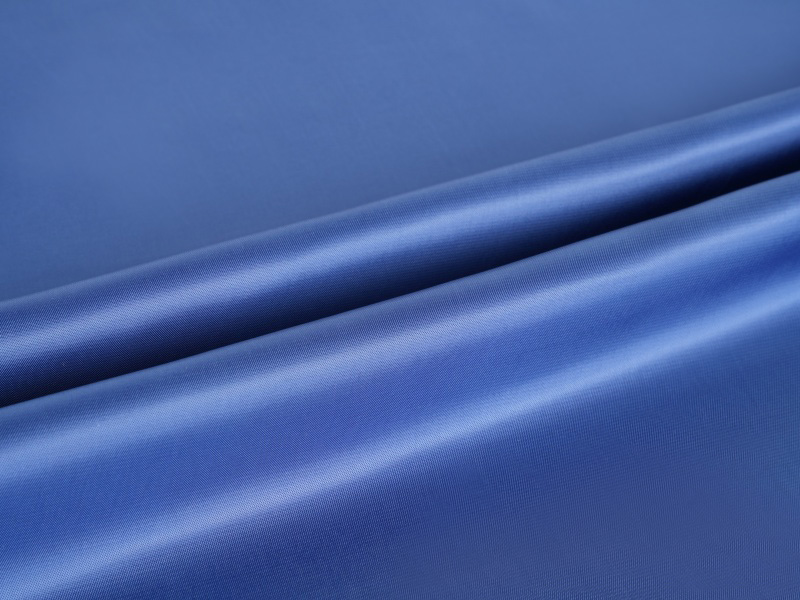
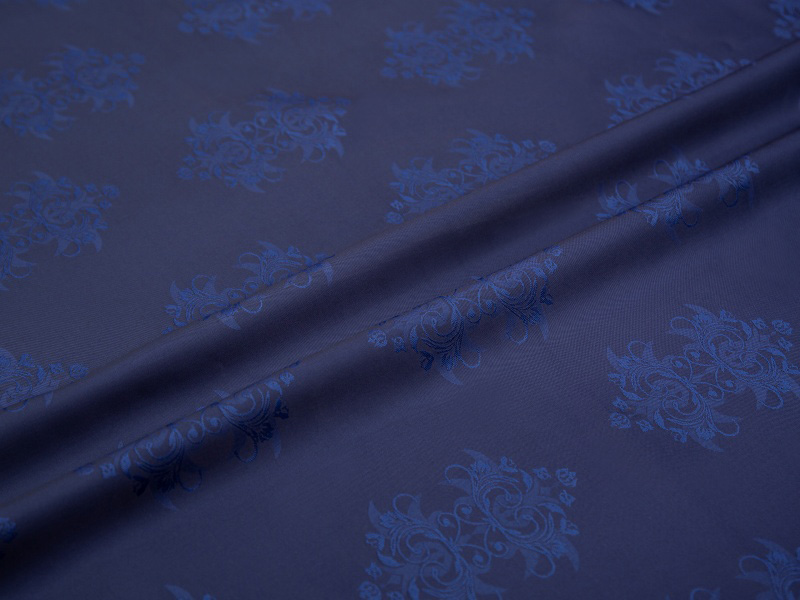
Lining fabric is the inner layer sewn into garments, bags, and other textile products to cover the inside construction, reduce friction against the body or contents, help the item hold its shape, and provide a smooth surface for putting on or removing the piece. A good lining is chosen for how it performs against skin and outer fabric — slip, drape, and durability — rather than for outward appearance, since it's rarely seen once the garment is finished.
Durable, wrinkle-resistant, and affordable, with good colorfastness and shape retention — the most widely used lining fiber in mass-market garments.
Soft, breathable, and highly absorbent with a smooth drape closer to natural fiber feel, though less durable and more prone to wrinkling than polyester.
Silky sheen and good drape at a lower cost than silk, though it's less durable and more heat-sensitive during pressing and cleaning.
Premium natural option with excellent breathability, drape, and temperature regulation, used in high-end tailoring and formalwear at a significant cost premium.
Breathable and comfortable against skin, though it wrinkles more and offers less slip than synthetic options, making it more common in casualwear and structured pieces.
A regenerated cellulose fiber known for a silk-like feel with good breathability and biodegradability, positioned between viscose and silk in cost and performance.
| Application | Common Lining Choice |
|---|---|
| Suit jackets and blazers | Polyester, viscose, or Bemberg for smooth slip-on/off and shape retention |
| Dresses and formalwear | Silk, acetate, or high-grade polyester for drape and sheen |
| Coats and outerwear | Polyester or quilted lining for durability and added warmth |
| Handbags and accessories | Polyester or cotton twill for durability against daily wear |
| Skirts and trousers | Viscose or polyester for comfortable slip and reduced clinging |
| Factor | Polyester | Viscose |
|---|---|---|
| Durability | High — resists wear and wrinkling well | Lower — wrinkles more easily and wears faster |
| Breathability | Lower — traps more heat and moisture | Higher — more absorbent and comfortable in warm conditions |
| Drape | Good, slightly stiffer than natural fibers | Excellent, close to natural fiber softness |
| Cost | Lower | Moderate |
| Care | Easy care, machine washable in most cases | More delicate, often requires gentler washing or dry cleaning |
Polyester is the more practical choice for everyday, high-wear garments, while viscose suits pieces where comfort and drape matter more than long-term durability, such as occasion wear or garments worn primarily in warm conditions.
Polyester lining is valued for its combination of low cost, strong durability, and minimal wrinkling, making it the standard choice across mass-market apparel, from suit jackets to bags. It resists shrinking and holds color well through repeated washing, though its lower breathability compared to natural or viscose linings can be a drawback in warm-climate or close-fitting garments where moisture management matters more.
Viscose lining offers a softer hand and better moisture absorption than polyester, giving it a more natural, skin-friendly feel that's closer to silk at a fraction of the cost. The tradeoff is durability: viscose wrinkles more easily, can weaken when wet, and generally requires gentler care than polyester, which is why it's more commonly specified for garments with lower expected wear frequency rather than daily-use pieces.
Copyright © Tongxiang Shunli Textile Technology Co., Ltd. All Rights Reserved.Custom Clothing Lining Fabrics Manufacturers
