


 English
 Español
 Français
ADDRESS
- Zicun, Chongfu Town, Tongxiang City, Zhejiang Province, China.
CONTACT
- Tel: +0086-13857379100
- Fax: +0086-0573-89372132
- Email: [email protected]
 2026-05-08
 Industry news
Suit lining fabric is the interior layer sewn inside a jacket, trouser, or skirt to finish the garment, conceal the construction, and improve its wearing performance. Though invisible in the finished suit, the lining is a functional component that directly determines how the garment feels against the body, how it moves during wear, how easily it can be put on and taken off, and how well it retains its shape over years of use.
A well-chosen lining performs four core functions simultaneously. It reduces friction between the outer shell fabric and the wearer's clothing underneath, allowing the suit to slide smoothly over a shirt or blouse without dragging or distorting. It adds structural support to the shell fabric, helping the garment maintain its silhouette under the stress of movement and cleaning. It absorbs and wicks perspiration away from the outer shell — protecting expensive wool or wool-blend suiting from sweat damage at the underarms, back, and chest. And it presents a clean, professional interior finish that is a mark of quality in tailored garments.
The choice of lining fabric communicates as much about a suit's quality positioning as the choice of shell fabric. Bespoke and high-end ready-to-wear suits specify silk, cupro, or acetate linings. Mid-market suits use polyester or polyester-viscose blends. Entry-level construction often uses 100% polyester. Each choice involves trade-offs across comfort, durability, cost, and manufacturing ease that suit makers and fabric buyers must understand clearly before specifying.
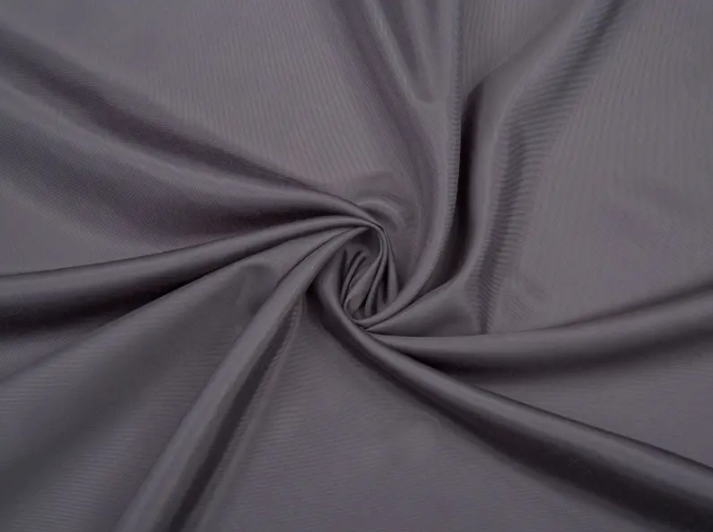
Suit linings are produced from a range of fiber types, each with a distinct set of physical and aesthetic properties. Understanding the differences is essential for matching the lining to the suit's end-use, price point, and target market.
Silk is the premium benchmark for suit lining. Its natural protein fiber structure gives it an exceptionally smooth handle, natural temperature regulation, and a lustrous appearance that is immediately recognizable in a quality interior. Silk linings are lightweight, breathable, and comfortable against the skin across a wide temperature range. They are standard in bespoke tailoring and luxury ready-to-wear. The significant drawbacks are cost — silk lining fabric is five to ten times more expensive per meter than polyester equivalents — and fragility, as silk is susceptible to perspiration damage, weakens with UV exposure, and requires careful dry cleaning. For this reason, even many high-end tailors use silk only at the jacket body and substitute cupro or acetate at the sleeves, where wear is greatest.
Cupro — marketed under the trade name Bemberg by Asahi Kasei — is a regenerated cellulosic fiber produced from cotton linter waste dissolved in a cuprammonium solution. It is widely regarded as the closest functional substitute for silk in lining applications: smooth, breathable, antistatic, and biodegradable, with a silk-like drape and a soft, cool touch against the skin. Cupro linings are used extensively in Japanese and Italian tailoring and are increasingly specified by sustainable fashion brands as a biodegradable alternative to synthetic linings. Cupro is more durable than silk under perspiration and dry cleaning, though it shares silk's higher price point relative to polyester.
Acetate is a semi-synthetic fiber derived from cellulose acetate, offering a silk-like sheen and good drape at a significantly lower cost than silk or cupro. It has been a staple lining material in mid-to-upper market suiting for decades. Acetate linings are lightweight, generate minimal static, and produce a visually attractive interior with good color vibrancy. Their key limitation is relatively low abrasion resistance — acetate is prone to surface wear at stress points such as sleeve hems and pocket mouths — and sensitivity to acetone-based solvents. Triacetate offers improved dimensional stability and wash resistance compared to standard acetate.
Viscose is another regenerated cellulosic fiber, valued in linings for its soft handle, good drape, and breathability. Viscose linings are more absorbent than polyester, making them more comfortable in warm conditions. They are often used in blends with polyester or acetate to balance comfort with durability. Pure viscose linings can shrink and lose strength when wet, which requires careful handling in production and care in garment maintenance.
Polyester is the dominant lining material by global volume, used across the full spectrum from entry-level to mid-market suiting. Its advantages are substantial: it is highly durable, dimensionally stable, resistant to abrasion and pilling, easy to care for, colorfast, and available at significantly lower cost than natural or regenerated fiber alternatives. Modern polyester lining fabrics — particularly microfiber weaves and high-twist constructions — have overcome many of the comfort limitations of earlier polyester linings, offering improved breathability and a softer handle that approaches viscose in quality perception. Polyester lining cloth fabric is covered in detail in the following section.
| Material | Breathability | Durability | Cost Level | Best Suited For |
|---|---|---|---|---|
| Silk | Excellent | Low–Medium | Premium | Bespoke, luxury RTW |
| Cupro (Bemberg) | Excellent | Medium | High | Luxury RTW, sustainable labels |
| Acetate | Good | Medium | Mid–High | Mid-market tailored suiting |
| Viscose | Good | Medium | Mid | Blended linings, warm-climate suits |
| Polyester | Low–Moderate | High | Low–Mid | Volume RTW, workwear, uniforms |
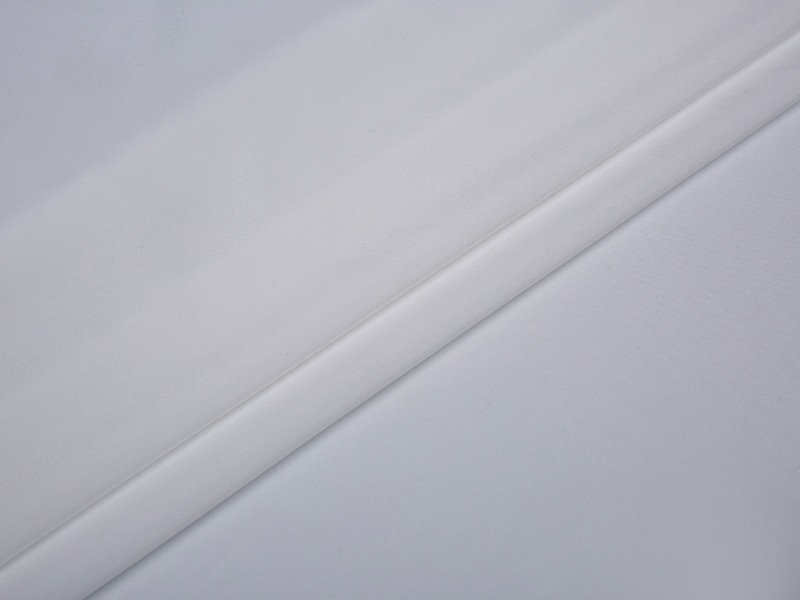
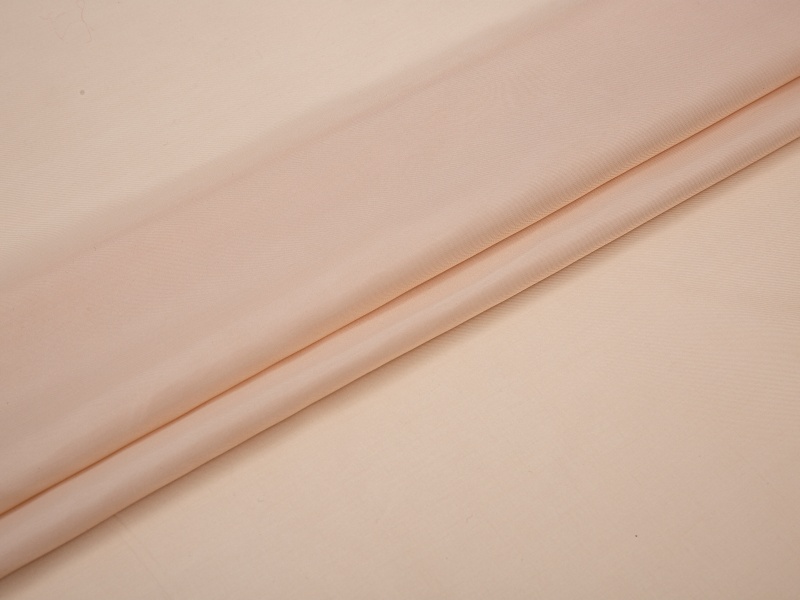
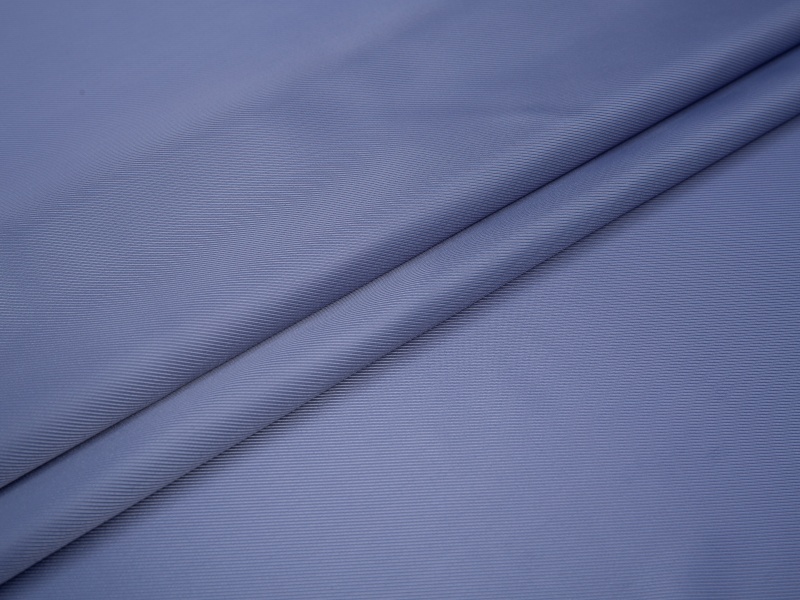
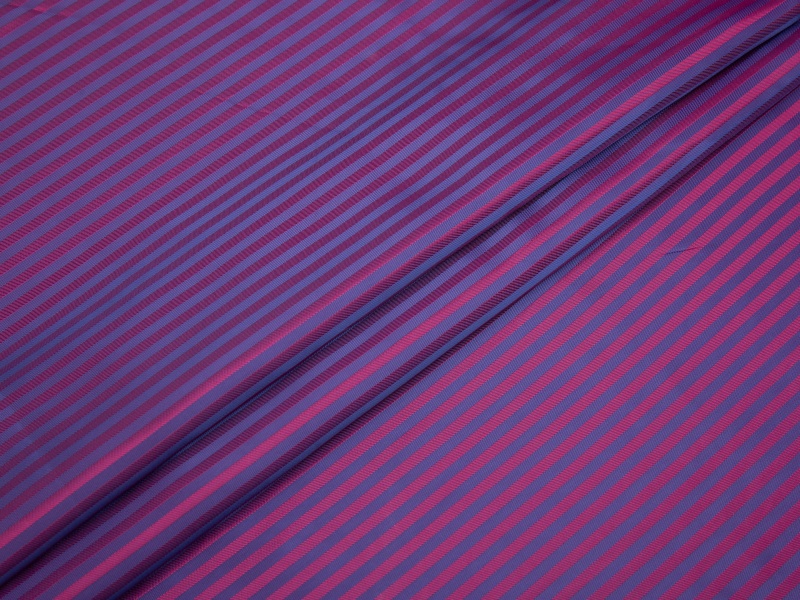
Polyester lining cloth fabric is the workhorse of the global suit lining market, accounting for the substantial majority of lining fabric consumed in volume garment manufacturing. Its dominance reflects a straightforward commercial reality: it delivers consistent, reproducible performance at a price point that makes quality suiting accessible across mass-market retail and corporate uniform programs alike.
The most significant variable in polyester lining cloth quality is the yarn construction used. The main options are:
Polyester lining cloth is woven in several standard constructions, each producing different surface characteristics and performance properties:
When sourcing polyester lining cloth fabric, buyers should specify and request test data for the following parameters:
Modern polyester lining cloth is rarely sold as a commodity undifferentiated fabric. Functional finishing treatments and fiber innovations have substantially expanded the performance range of polyester linings, enabling them to compete with natural fiber alternatives on comfort while retaining their durability and cost advantages.
Key finishing technologies applied to polyester lining fabrics include moisture-wicking treatments that draw perspiration away from the shell fabric surface and distribute it across the lining for faster evaporation; antistatic finishing to eliminate cling in low-humidity environments; soft-hand finishing to reduce the synthetic feel of standard polyester; and anti-pilling treatments to maintain surface appearance through repeated dry cleaning cycles.
On the sustainability front, recycled polyester (rPET) lining fabrics — produced from post-consumer PET bottle flake or post-industrial polyester waste — have grown significantly as a specification option, driven by brand sustainability commitments and retailer sourcing policies. Recycled polyester linings are now available across the full range of constructions and weights used in conventional virgin polyester linings, with comparable physical performance and GRS (Global Recycled Standard) or RCS (Recycled Claim Standard) certification available from leading manufacturers. For brands with publicly stated recycled content targets, rPET lining is one of the most straightforward substitution opportunities in a suit's bill of materials.
For fabric buyers evaluating polyester lining cloth suppliers, requesting woven lab dips in the specified construction and weight, alongside test reports for color fastness, shrinkage, and seam slippage, is standard practice before confirming bulk orders. Width consistency (typically 145–150 cm for lining fabrics), selvedge quality, and roll length uniformity should also be verified in initial sampling, as these factors directly affect cutting room yield and production efficiency.
Copyright © Tongxiang Shunli Textile Technology Co., Ltd. All Rights Reserved.Custom Clothing Lining Fabrics Manufacturers
