


 English
 Español
 Français
ADDRESS
- Zicun, Chongfu Town, Tongxiang City, Zhejiang Province, China.
CONTACT
- Tel: +0086-13857379100
- Fax: +0086-0573-89372132
- Email: [email protected]
 2026-01-02
 Industry news
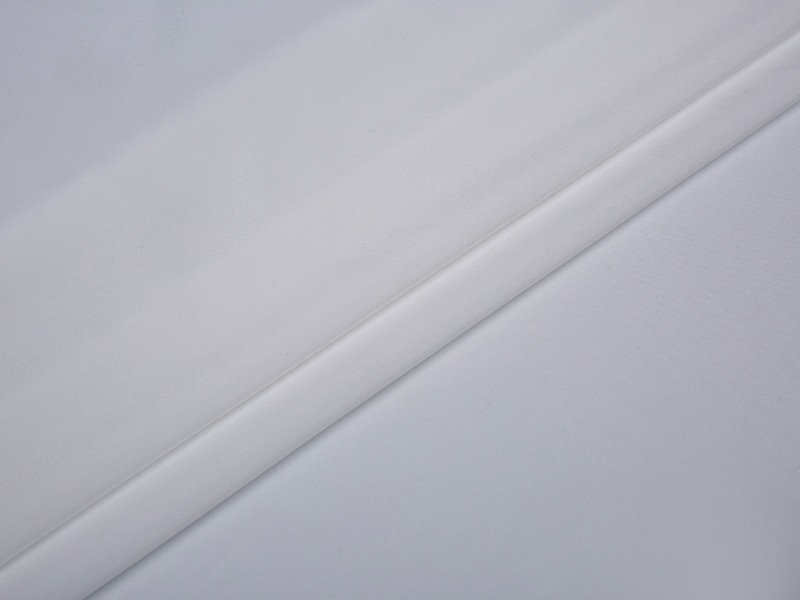
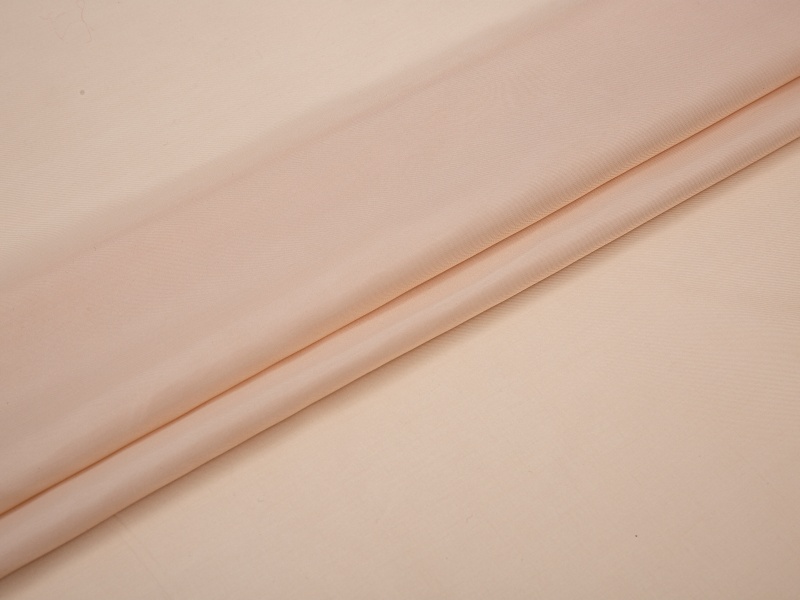
In the intricate world of garment construction and textile applications, the unsung hero is often the material hidden from view. Polyester lining fabric serves as the critical inner layer that determines a garment's comfort, durability, shape, and overall quality. As a foundational component in everything from elegant suits to durable workwear, understanding its nuances is essential for designers, manufacturers, and sourcing professionals. This comprehensive guide delves into the types, properties, and applications of polyester linings, offering in-depth information to inform your next project.
Tongxiang Shunli Textile Technology Co., Ltd., with over two decades of expertise since its establishment in 2001, stands at the forefront of this specialized field. Located in the Zhicun Textile Industrial Park, our commitment to innovation and European environmental standards ensures we provide high-quality lining solutions for global partners. This guide encapsulates our knowledge, helping you navigate the complex landscape of lining fabrics.
Polyester, a synthetic polymer derived from petroleum, is prized in lining applications for its exceptional strength, wrinkle resistance, and dimensional stability. When woven or knitted into a lining fabric, it creates a smooth, slippery layer that facilitates easy dressing, reduces friction with outer garments, and helps maintain the structure of the main fabric.
The world of polyester lining fabric is diverse, with each type engineered for specific applications and effects. Understanding these variations is key to optimal material selection.
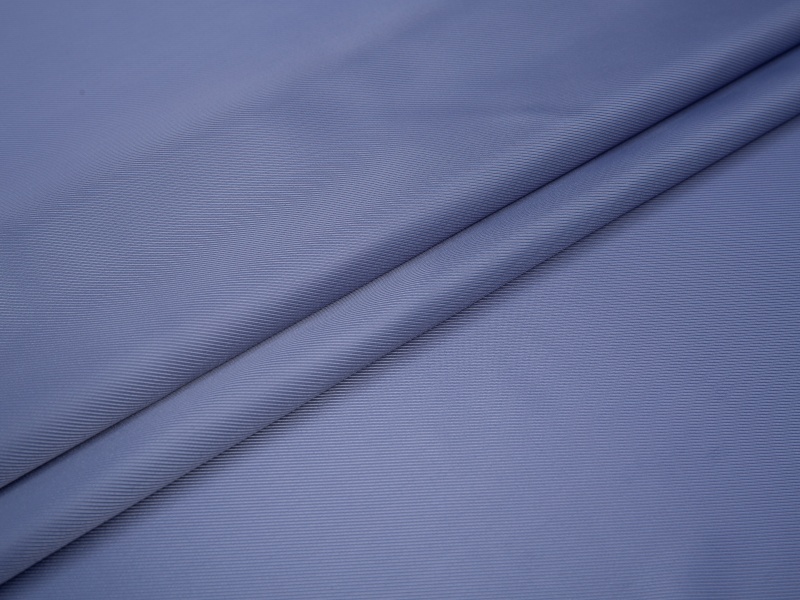
Twill weave linings are recognized by their distinctive diagonal rib pattern. This construction not only provides a visual texture but also adds to the fabric's durability and drapability. It is a classic choice for structured garments.
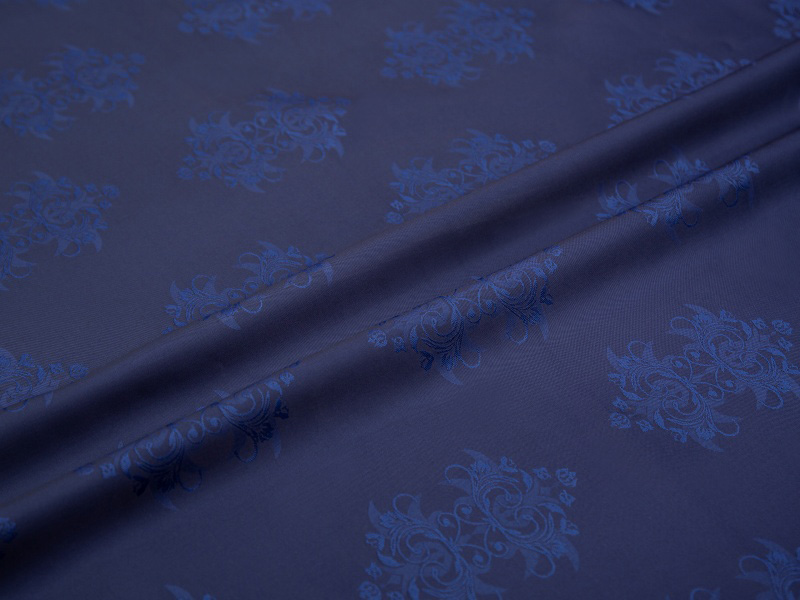
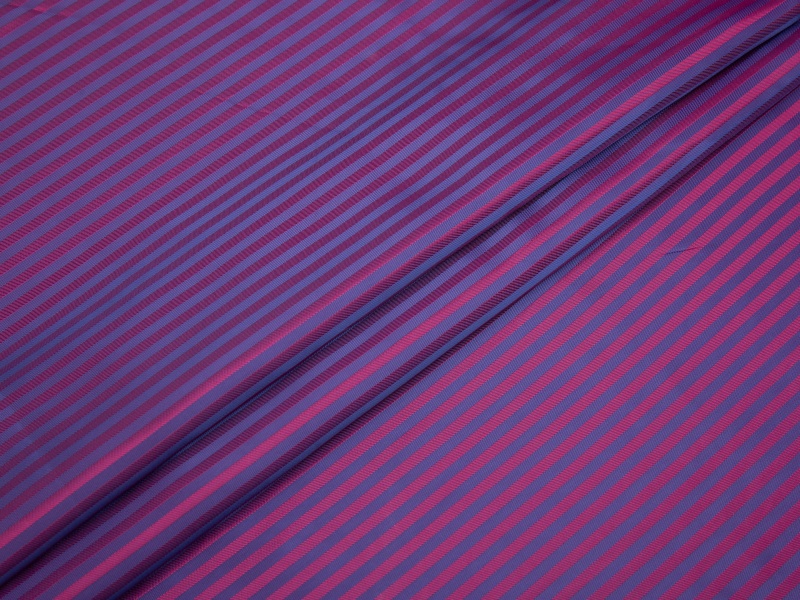
Jacquard linings elevate a garment's interior with intricate woven patterns, logos, or motifs. This category includes both electronic and small jacquard varieties, allowing for everything from detailed brand logos to subtle geometric designs.
Choosing the right jacquard lining for custom apparel involves considering the design complexity, yarn type (polyester or viscose blend), and the desired aesthetic impact. A bold logo jacquard makes a brand statement, while a subtle pattern adds luxury.
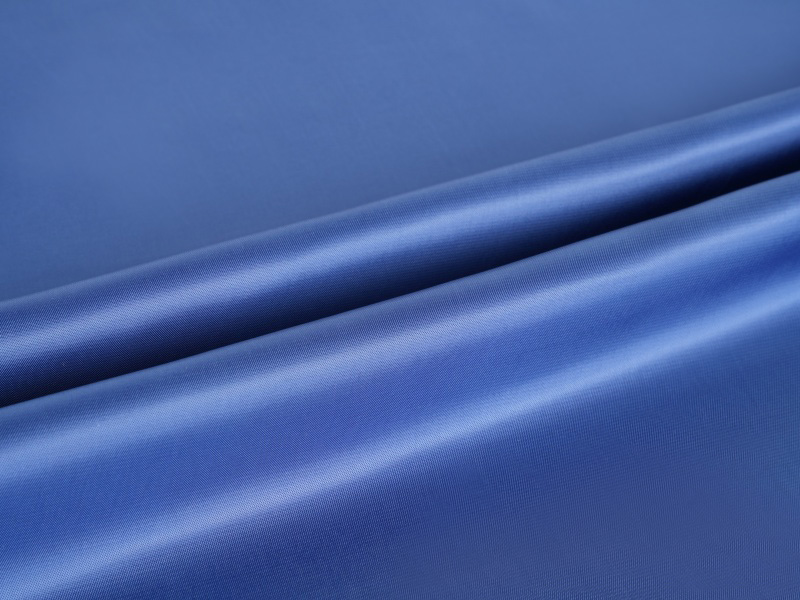
For the ultimate in smoothness and a luxurious feel against the skin, satin-weave polyester or cupro (a regenerated cellulose fiber often blended with polyester) linings are unparalleled. They offer a brilliant sheen and a exceptionally soft hand.
When comparing smoothness, satin vs cupro lining for silkiness and durability presents a clear distinction. Polyester satin provides excellent durability and shine at a lower cost, while cupro offers a more breathable, silk-like sensation but may require more careful maintenance.
| Feature | Polyester Satin Lining | Cupro (or Cupro Blend) Lining |
|---|---|---|
| Primary Material | 100% Polyester | Regenerated Cellulose (from cotton linter), often blended with Polyester |
| Hand Feel | Very smooth, cool, with a distinct sheen | Exceptionally soft, silky, and breathable |
| Durability & Care | Highly durable, easy wash, good shape retention | Softer but less abrasion-resistant; may require gentle washing |
| Moisture Management | Wicks moisture, dries quickly | Highly absorbent and breathable |
| Typical Use Case | Mid to high-range fashion, durable luxury items | High-end luxury fashion, couture, sensitive skin applications |
In applications where ventilation is paramount, such as athletic wear or outdoor gear, breathable linings come into play. These are often knitted or woven into an open mesh structure.
Benefits of breathable polyester mesh lining in activewear are extensive. It enhances airflow, reduces sweat buildup, improves comfort during high-intensity activities, and often contributes to the moisture-wicking properties of the garment system [1].
This category adds a burst of color and personality to a garment's interior. It includes uniformly dyed fabrics (like dyed sleeves and grid cloth) as well as linings with printed patterns.
How printed polyester lining enhances garment aesthetics is by transforming the inside into a creative canvas. Floral prints, geometric patterns, or bold colors can create a delightful surprise for the wearer, adding a layer of design intrigue and perceived value [2].
Designed for garments that require stretch, elastic polyester linings incorporate spandex (elastane) into the weave or knit. This provides the necessary give while maintaining the smooth, protective function of a lining.
Selecting a durable elastic lining fabric for stretch garments is crucial for longevity. The key is to assess the recovery power (how well it bounces back after stretching) and the consistency of the elasticity after repeated washes and wears.
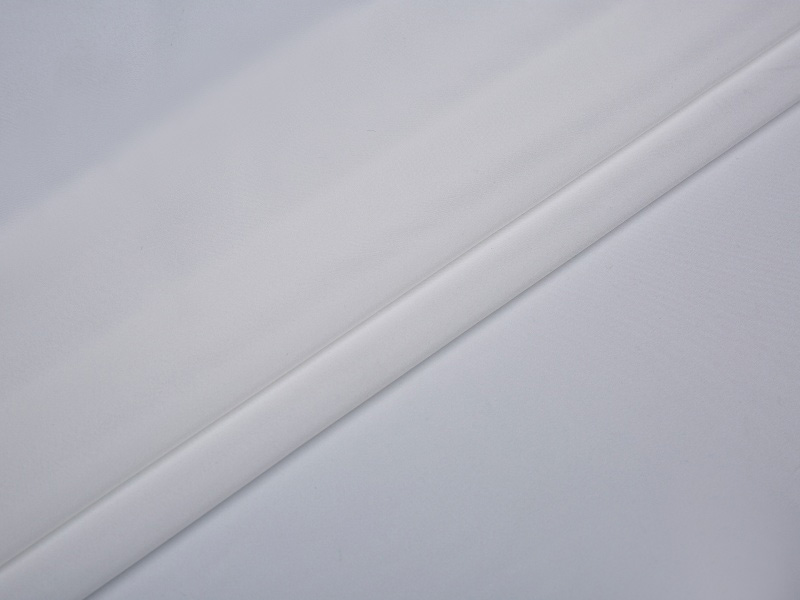
Choosing the correct polyester lining fabric goes beyond type. Several technical and practical factors must align with the end-use of the garment.
Modern manufacturers, like Tongxiang Shunli Textile Technology Co., Ltd., adhere to strict environmental standards such as OEKO-TEX® or REACH. These ensure the fabrics are free from harmful substances, a critical consideration for brands targeting eco-conscious markets or regions with stringent regulations like Europe [3].
The utility of polyester linings spans numerous sectors, each with unique demands.
This is the traditional heartland of lining use. A suit's lining reduces friction, allows for easy on/off, and preserves the wool shell's integrity. Jacquard and satin linings are popular here for their luxury appeal.
From leather jackets to raincoats, linings provide comfort, add insulation, and protect the often-delicate inner surface of the outer shell material. Printed and brightly colored linings are especially popular in this segment.
Here, function leads. Breathable polyester mesh lining in activewear is a prime example. In protective workwear, flame-retardant (FR) treated polyester linings may be used to add an extra layer of safety without sacrificing comfort.
The main advantages are superior durability, excellent wrinkle resistance, better shape retention, and higher moisture-wicking capability. Polyester linings are generally more cost-effective and consistent in large-scale production compared to many natural fiber alternatives.
Choose twill for structured garments like suits and blazers where durability and a slight stretch are beneficial. Opt for satin for garments where a luxurious, smooth feel against the skin is desired, such as in fashion jackets, coats, or dresses, and where a glossy interior aesthetic is appealing.
Standard polyester linings offer moderate breathability. For enhanced ventilation, specifically engineered breathable polyester mesh linings should be selected. These are ideal for activewear and gear where maximum airflow is required.
Yes, absolutely. In fact, using a smooth polyester lining (like a lightweight satin) can protect delicate outer fabrics like silk from body oils and abrasion. The key is to ensure the lining is lighter in weight and has a compatible drape to avoid pulling or distorting the delicate main fabric.
It means the fabric has been tested and certified to comply with strict European Union regulations (like REACH) which restrict the use of specific hazardous chemicals and substances. Linings from manufacturers like Tongxiang Shunli that meet these standards are guaranteed to be safe for human skin contact and environmentally responsible in their production, a crucial factor for export-oriented apparel brands.
Selecting the right polyester lining fabric is a nuanced decision that directly impacts a garment's functionality, comfort, longevity, and perceived quality. From the structural integrity of twill linings to the luxurious touch of satin vs cupro lining, and from the branded appeal of jacquard lining for custom apparel to the functional necessity of breathable mesh lining in activewear and the durable stretch of elastic lining fabric, each type serves a distinct purpose. By considering factors like weight, drape, color fastness, and compliance with environmental standards, designers and manufacturers can make informed choices that elevate their final product.
With a legacy of innovation since 2001, Tongxiang Shunli Textile Technology Co., Ltd. embodies the expertise required to navigate this complex field. Our comprehensive range—from electronic jacquard to elastic cloth—ensures that for every lining challenge, there is a high-quality, reliable solution that meets the demands of the global market.
[1] Das, A., & Alagirusamy, R. (2010). *Science in Clothing Comfort*. Woodhead Publishing India. (Chapter on moisture management in synthetic fabrics).
[2] Udale, J. (2014). *Textiles and Fashion: Materials, Design and Technology*. Bloomsbury Academic. (Section on linings and interlinings in fashion design).
[3] European Chemicals Agency (ECHA). (2023). *Understanding REACH*. Retrieved from ECHA website. (Regulation on Registration, Evaluation, Authorisation and Restriction of Chemicals).
Copyright © Tongxiang Shunli Textile Technology Co., Ltd. All Rights Reserved.Custom Clothing Lining Fabrics Manufacturers
