


 English
 Español
 Français
ADDRESS
- Zicun, Chongfu Town, Tongxiang City, Zhejiang Province, China.
CONTACT
- Tel: +0086-13857379100
- Fax: +0086-0573-89372132
- Email: [email protected]
 2025-12-19
 Industry news
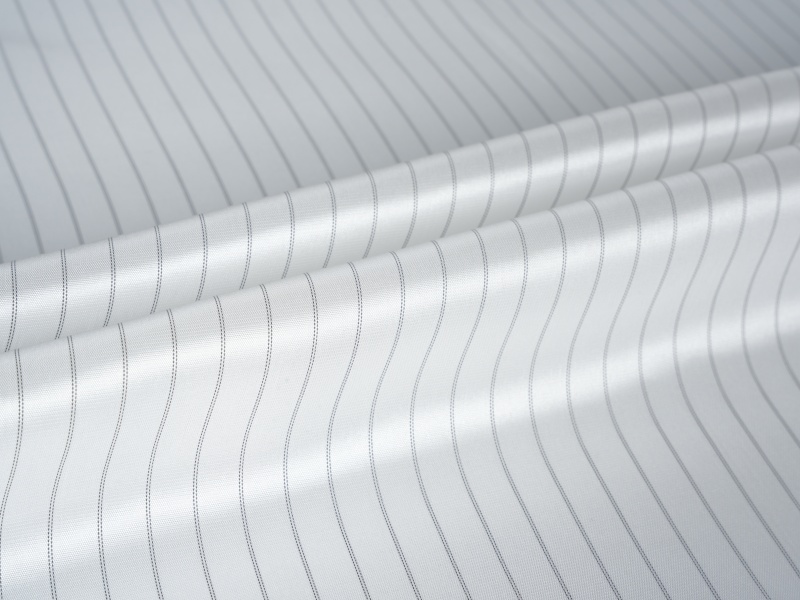
The interior of a suit, often overlooked by the wearer, is where true quality and comfort are decided. Suit lining fabrics serve as the foundational layer between the outer shell of the suit and the wearer's skin. A superior lining does more than just cover the seams; it enhances the suit's drape, facilitates ease of movement, regulates body temperature, and contributes significantly to the garment's overall longevity and feel. The choice of lining is a critical decision for bespoke tailors, fashion designers, and informed consumers who understand that luxury is built from the inside out. For over two decades, Tongxiang Shunli Textile Technology Co., Ltd. has dedicated itself to mastering this very component, developing mid to high-end lining fabrics that meet rigorous European environmental standards. This guide will delve into the essential aspects of lining fabrics, empowering you to make informed decisions for your next suit, leather jacket, or fashion piece.
Navigating the world of lining materials can be complex. Each fabric type offers a unique set of properties suited to different applications, budgets, and performance needs. Understanding these core types is the first step in selecting the perfect lining for any garment.
When the temperature rises, the wrong lining can turn a stylish suit into a sauna. The key for warm-weather garments is selecting linings that prioritize breathability and moisture-wicking properties without adding weight or compromising on smoothness. These fabrics are engineered to allow air to circulate freely, helping to dissipate body heat and keep the wearer cool and comfortable throughout the day. For instance, a high-quality bemberg lining, derived from natural cotton linter, is exceptionally absorbent and breathable, making it a gold standard for summer tailoring. In contrast, some lightweight polyester variants may offer less breathability but superior wrinkle resistance. The choice often balances natural comfort against synthetic durability and ease of care. Manufacturers like Tongxiang Shunli Textile Technology Co., Ltd. focus on creating blends that optimize these characteristics, ensuring that even lightweight linings maintain the structural integrity and luxurious feel expected in mid to high-end apparel.
For those specifically seeking breathable suit lining for summer, it is crucial to look beyond generic descriptions. The weave density and the fiber's inherent properties are paramount. A bemberg lining, for example, possesses a hollow fiber structure that actively wicks moisture away from the body. When comparing a standard polyester lining to a premium bemberg for a summer suit, the difference in perceived comfort after several hours of wear can be substantial. The table below outlines a clear comparison between common lightweight lining options.
| Fabric Type | Breathability | Moisture Wicking | Drape & Feel | Typical Use Case |
|---|---|---|---|---|
| Bemberg (Cupro) | Excellent | Superior (Hollow Fiber) | Silky, Cool, Luxurious | High-end summer suits, formal wear |
| Lightweight Polyester | Moderate to Good | Fair (Often Hydrophobic) | Smooth, Slightly Crisp | Budget-friendly summer blazers, fashion jackets |
| Silk Habotai | Very Good | Good | Exceptionally Soft, Delicate | Luxury bespoke suits, special occasion wear |
| Poly-Viscose Blend | Good | Good (Viscose component helps) | Soft, Durable, Good Drape | Versatile option for all-season lighter suits |
A suit destined for daily commutes, long office hours, and frequent travel demands a lining that can withstand abrasion, maintain its shape, and resist pulling at the seams. Durability in lining fabrics is a function of fiber strength, weave tightness, and finishing treatments. While a delicate silk might be perfect for a rarely-worn tuxedo, it would quickly show wear in a garment worn several times a week. This is where robust synthetic and blended fabrics excel. Twill weaves, for example, are inherently stronger than plain weaves due to their diagonal rib pattern, which distributes stress more effectively. Furthermore, modern treatments can enhance a fabric's resistance to static electricity and staining, adding practical benefits to everyday wear. The principle of "integrity management, continuous innovation" practiced by companies like Tongxiang Shunli is vital here, as it drives the development of linings that are not only tough but also comfortable and environmentally compliant, ensuring that durability doesn't come at the cost of ethics or comfort.
The epitome of opulence in suiting, silk and high-gloss satin linings represent the pinnacle of luxury. These fabrics are chosen not for practicality alone, but for the unparalleled sensory experience they provide—a smooth, cool glide against the skin and a beautiful, lustrous interior that surprises and delights. In formal wear such as tuxedos, morning coats, and high-end bespoke suits, the lining is a signature of quality. A silk lining adds a negligible amount of weight while contributing to a superb, fluid drape of the outer fabric. It is a mark of a garment where no expense has been spared. However, true silk requires careful maintenance and is less durable than modern synthetics. This has led to the creation of luxury alternatives, such as high-end polyester satins or cupro satins, which mimic the sheen and hand-feel of silk while offering greater resilience and color fastness. The integration of such exquisite materials is a specialty for suppliers focused on the mid to high end of the market, where the visual and tactile appeal of the lining is a critical part of the product's value proposition.
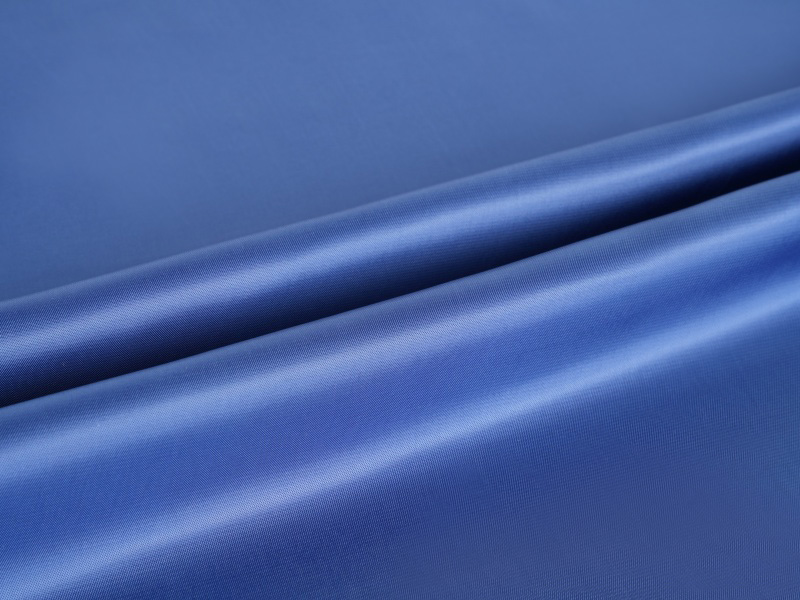
Modern tailoring has embraced movement and comfort, leading to the increased use of stretch linings. These innovative fabrics incorporate a small percentage of elastane (such as Lycra or spandex) into traditional lining materials like polyester or acetate. The result is a lining that moves with the body, providing exceptional freedom without restricting the shoulder or across the back. This is particularly beneficial in fitted jackets, blazers designed for active postures, or for any individual who values dynamic comfort in their formal wear. A stretch lining for tailored jackets ensures that the garment maintains its clean interior appearance even during vigorous movement, reducing stress on the seams and preventing the lining from "riding up" or becoming displaced. When comparing a standard lining to a stretch lining in a fitted blazer, the difference is most noticeable when reaching forward or bending the arms; the stretch version accommodates the movement seamlessly, while the non-stretch version can feel tight and may even produce a slight pulling effect on the outer shell. This functional enhancement is a prime example of the continuous innovation in textile technology.
| Aspect | Standard Woven Lining | Stretch Lining (with 2-5% Elastane) |
|---|---|---|
| Range of Motion | Limited by the fixed weave of the fabric. | Significantly enhanced, allows for stretching and recovery. |
| Comfort in Fitted Garments | Can feel restrictive across shoulders and back. | Provides a "second skin" comfort, moves with the body. |
| Durability under Stress | Seams and fabric can be stressed during movement. | Reduces stress on seams, fabric gives and recovers. |
| Suitability | Traditional suits with standard cut. | Modern tailored fits, sport coats, driving jackets, and performance suiting. |
The development of these advanced linings requires precise engineering to ensure the stretch is balanced and the recovery is strong, maintaining the lining's shape over the life of the garment. It is a sophisticated offering from forward-thinking manufacturers.
Static cling is more than a minor nuisance; it can cause a suit to uncomfortably stick to clothing underneath, attract lint and dust, and even produce small static shocks. This is a common issue, especially in dry climates or during winter months when synthetic fibers are prevalent in both linings and innerwear. Anti-static suit lining options are specifically engineered to mitigate this problem. This can be achieved through several methods: integrating conductive fibers (like carbon or metal threads) into the weave, applying permanent anti-static finishes during the manufacturing process, or using inherent fiber properties that dissipate charge. For the consumer, an anti-static lining means the suit hangs properly, remains cleaner for longer, and provides all-day comfort without the annoying "stickiness." Compared to a standard polyester lining, which is highly prone to generating static electricity, a treated or inherently anti-static fabric will dramatically improve the wearing experience. This functional feature is increasingly expected in quality garments, reflecting a holistic approach to design where every component, even the unseen ones, contributes to superior performance.
Choosing the right lining is a multifaceted decision that goes beyond simply picking a color. Several interdependent factors must be weighed to ensure the lining complements the outer fabric and fulfills the garment's intended purpose.
The fiber content is the DNA of any lining fabric, dictating its fundamental behavior. Natural fibers like silk and cupro (bemberg) offer superior breathability, moisture absorption, and a luxurious natural feel. Synthetic fibers like polyester and acetate provide excellent durability, color vibrancy, wrinkle resistance, and often a lower cost. Blends aim to capture the best of both worlds—for example, a polyester-viscose blend might offer the durability and easy care of polyester with the improved moisture management and softer hand of viscose. The choice directly affects the suit's comfort, maintenance, and lifespan. A suit made from a heavy, dense wool might be paired with a slick, durable polyester lining to aid in donning and offing, while a lightweight wool or linen suit would benefit immensely from a breathable bemberg lining to enhance its cool-weather properties.
These three physical characteristics work in concert. The weave (e.g., plain, twill, satin) affects the fabric's texture, strength, and sheen. The weight, measured in grams per square meter (GSM), influences the lining's substance and seasonality. The drape is how the fabric falls and flows. A heavy satin weave will have a fluid, luxurious drape and high sheen but may add warmth. A light plain weave will be breezy and matte but may lack body. The lining's drape should support, not fight, the drape of the suit's outer shell. A stiff, heavy lining inside a soft, unstructured jacket would create an internal conflict, impairing the garment's silhouette.
The lining is a canvas for personal expression and brand identity. While classic colors like navy, burgundy, grey, and black are timeless and versatile, bold patterns, custom prints, or contrasting colors can transform the interior of a garment into a statement piece. For bespoke tailors and fashion houses, the lining is a signature element. The aesthetic choice must also be practical; very light-colored linings may show soil more easily, while very dark linings might experience color transfer. The use of colorfast dyes, especially those meeting strict environmental standards like Oeko-Tex, is crucial for quality and safety, an area where reputable manufacturers invest significant effort.
Creating exceptional lining fabric is a specialized endeavor that blends traditional textile knowledge with modern innovation. A company with a long-term focus on this niche, such as Tongxiang Shunli Textile Technology Co., Ltd., established in 2001, develops a deep understanding of the nuanced needs of garment makers. Their role extends beyond mere supply to one of partnership and development.
Specialist manufacturers are at the forefront of developing new fabrics that address evolving market demands. This includes creating durable linings for everyday work suits with enhanced anti-static properties, or engineering stretch linings for tailored jackets that maintain their recovery over thousands of movements. Perhaps more importantly, they lead the charge in sustainability. Adherence to European environmental standards signifies a commitment to reducing harmful substances, ensuring worker safety, and minimizing ecological impact throughout the production process. This involves using recycled polyester, implementing water-saving dyeing techniques, and ensuring all products are safe for the end-user. The principle of "continuous innovation" is vital here, pushing the industry toward linings that are high-performing, beautiful, and responsibly made.
The mid to high-end market segment has distinct requirements: impeccable quality control, consistency across large batches, ability to handle custom color matching and small specialty runs, and a product that genuinely enhances the value of the final garment. A specialist manufacturer's product line—suitable for suits, leather clothing, fashion, and jackets—must demonstrate versatility without compromising on core quality. Their expertise ensures that a lining for a luxury leather jacket has the necessary strength and slip, while a lining for a delicate fashion piece has the appropriate drape and aesthetic. This tailored approach, built on decades of experience like the 20+ years of Tongxiang Shunli Textile Technology Co., Ltd., is what allows designers and brands to confidently select lining fabrics that will uphold the integrity of their creations.
Proper care extends the life of both the lining and the entire suit. Always follow the care label instructions, as the lining may have different requirements than the outer fabric.
In conclusion, the world of suit lining fabrics is rich and technical, directly impacting the function, comfort, and longevity of tailored garments. From selecting a breathable suit lining for summer to opting for advanced anti-static suit lining options, each choice shapes the wearing experience. By understanding materials, leveraging the innovation of specialist manufacturers, and providing proper care, you ensure that the hidden foundation of your suit continues to perform flawlessly, proving that true quality always lies in the details.
Copyright © Tongxiang Shunli Textile Technology Co., Ltd. All Rights Reserved.Custom Clothing Lining Fabrics Manufacturers
