

 English
 Español
 Français
ADDRESS
- Zicun, Chongfu Town, Tongxiang City, Zhejiang Province, China.
CONTACT
- Tel: +0086-13857379100
- Fax: +0086-0573-89372132
- Email: [email protected]
 2026-02-04
 Industry news
In the world of tailored garments and high-quality outerwear, the fabric hidden from view often plays the most critical role in defining comfort, durability, and silhouette. Among these, yarn-dyed sleeve lining fabric stands out as a superior choice for discerning manufacturers and designers. This specialized fabric, where threads are dyed before weaving, offers exceptional color fastness, strength, and a refined finish that elevates the entire garment. For over two decades, Tongxiang Shunli Textile Technology Co., Ltd. has been at the forefront of developing premium lining fabrics, adhering to principles of integrity and innovation to meet the stringent demands of the global fashion industry. This guide delves deep into the specifics of yarn-dyed sleeve lining, providing a comprehensive resource for anyone seeking to understand and select the best materials for their creations.
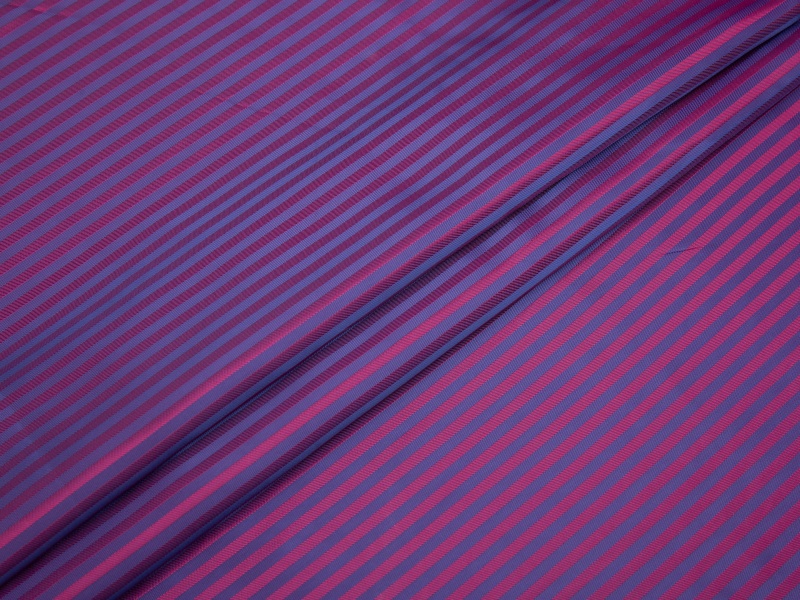
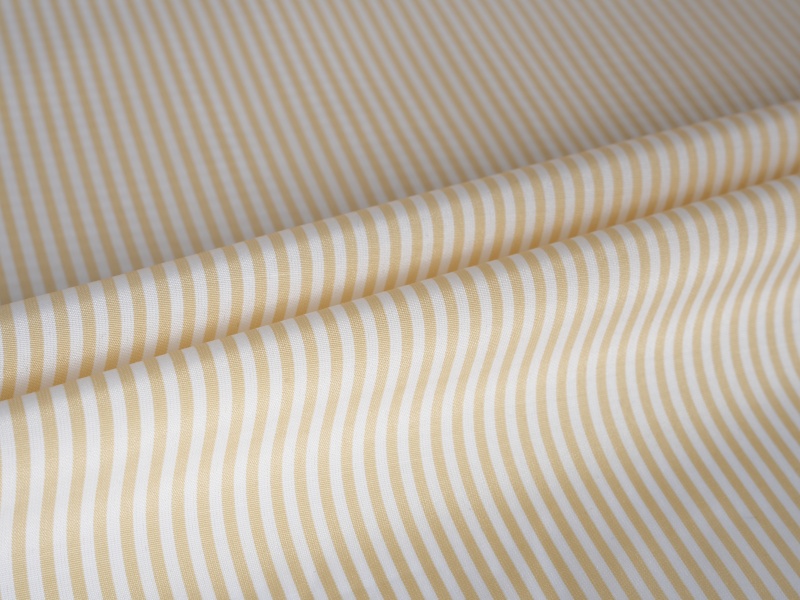
Yarn-dyed fabric is produced by dyeing the individual yarns—be they cotton, polyester, viscose, or a blend—prior to the weaving process. This method contrasts with piece-dyeing, where the completed woven fabric is dyed. The pre-dyeing of yarns allows for intricate patterns like stripes, checks, and plaids to be woven directly into the fabric structure, resulting in richer, more vibrant colors that penetrate the core of the fiber.
When applied to sleeve lining, this technique yields a fabric with unique advantages:
Understanding the difference between yarn-dyeing and piece-dyeing is crucial for making an informed fabric choice. While piece-dyeing is cost-effective and excellent for solid colors, yarn-dyeing is the hallmark of quality for patterned and high-end linings. The key differences can be summarized as follows:
| Aspect | Yarn-Dyed Fabric | Piece-Dyed Fabric |
|---|---|---|
| Color Penetration | Dye penetrates the core of the yarn before weaving. | Dye is applied to the surface of the finished woven cloth. |
| Color Fastness | Generally excellent; colors are more resistant to fading. | Can be good, but surface dye may wear or fade faster. |
| Pattern Complexity | Ideal for sophisticated stripes, checks, and jacquards. | Limited to solid colors or simple, post-weave prints. |
| Production Cost & Time | Higher cost and longer production lead time. | Lower cost and faster production cycle. |
| Typical Use in Linings | Premium suits, blazers, leather jackets, high-fashion garments. | Budget-friendly apparel, casual wear, simple garment linings. |
This comparison clearly shows that for applications demanding longevity and a luxury feel, such as in the sleeve lining of a suit or leather jacket, yarn-dyed fabric is the unequivocal choice.
Choosing the correct sleeve lining is a nuanced decision that impacts the garment's functionality, aesthetics, and lifespan. It involves balancing several material properties and performance factors.
The base fiber determines many of the lining's fundamental characteristics. Here’s a breakdown of common materials used in yarn-dyed lining for suits and blazers:
| Material | Advantages | Disadvantages | Best For |
|---|---|---|---|
| Polyester | Highly durable, wrinkle-resistant, affordable, colorfast. | Less breathable, can feel clammy, prone to static. | Budget-conscious projects, leather jackets, items requiring strong washability. |
| Viscose/Rayon | Excellent drape, highly breathable, luxurious silk-like feel, moisture-absorbent. | Less durable when wet, can wrinkle, may require dry cleaning. | High-end suits, blazers, and fashion garments where comfort and drape are paramount. |
| Cupro (Cuprammonium Rayon) | Exceptional smoothness, breathability, moisture-wicking, and anti-static properties. | Higher cost, requires careful handling and cleaning. | Luxury tailoring, premium fashion lines seeking the ultimate in comfort and performance. |
| Blends (e.g., Poly-Viscose) | Balances durability (polyester) with comfort and drape (viscose); cost-effective. | May not excel in a single property as a pure fabric does. | A versatile choice for mid-range to high-end ready-to-wear and custom tailoring. |
The unique properties of this fabric make it indispensable across several garment categories. Understanding its application helps in specifying the right weight, composition, and finish.
This is the classic application where breathable yarn-dyed sleeve lining is non-negotiable. It ensures comfort throughout the day, allows for easy donning and removal, and provides the structural "slip" needed for the jacket to hang and move correctly. A smooth viscose or cupro lining is often the choice for luxury suits.
Leather is non-porous and can feel cold or sticky against the skin. A high-quality sleeve lining acts as a comfortable, breathable barrier. Durability is key here, making a strong polyester or poly-viscose yarn-dyed fabric an excellent candidate for yarn-dyed lining for leather jackets.
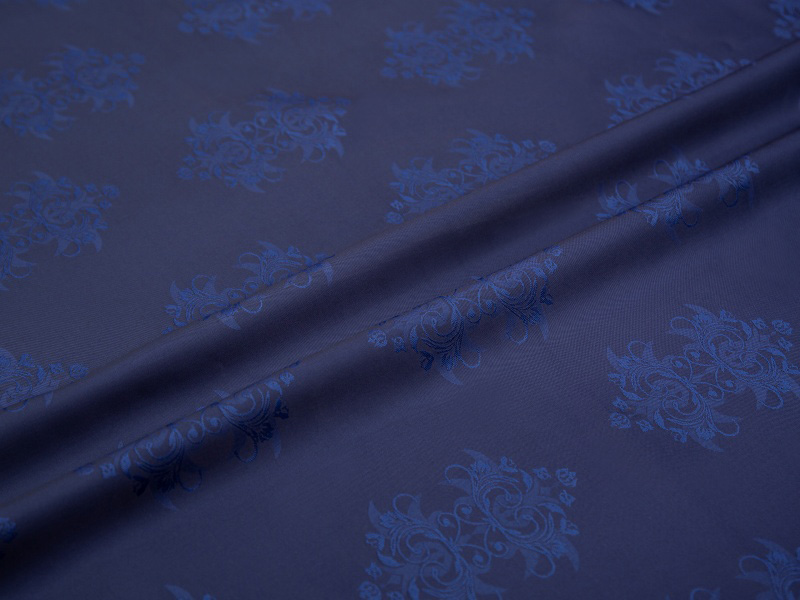
Designers use sleeve linings as an element of surprise and brand identity. Patterned yarn-dyed sleeve lining wholesale options, featuring stripes, checks, or custom jacquards, allow for unique interior detailing that elevates a fashion garment.
Even in performance wear, managing moisture and friction is crucial. While not always yarn-dyed, mid to high-end technical outerwear may use yarn-dyed linings in specific areas for enhanced durability and moisture-wicking properties, aligning with the needs of durable yarn-dyed sleeve lining for workwear.
Garments worn daily for professional purposes demand linings that withstand repeated wear and laundering. The color retention and strength of yarn-dyed polyester blends make them ideal for this sector, ensuring a sharp, professional appearance over time.
Since its establishment in 2001, Tongxiang Shunli Textile Technology Co., Ltd. has built its reputation on the twin pillars of continuous innovation and principled operation. Specializing as manufacturers and suppliers of mid to high-end clothing lining fabrics, the company's expertise directly informs the development of superior yarn-dyed sleeve lining fabric.
Meeting European environmental standards (such as those concerning OEKO-TEX® or REACH) is a core commitment. This means:
The "continuous innovation" principle is applied to yarn-dyed linings through:
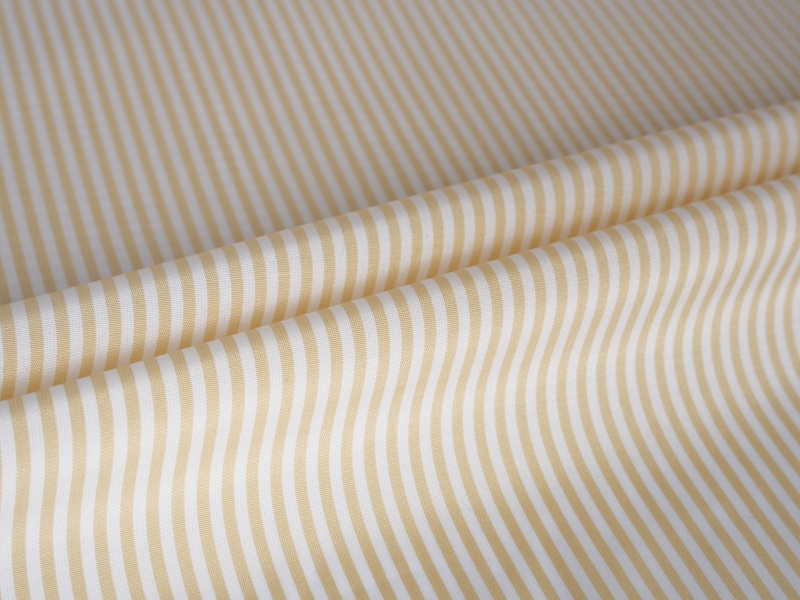
Yarn-dyed lining is superior primarily due to its exceptional color fastness and durability. Because the color is embedded in the yarn itself, it resists fading from washing and friction far better than piece-dyed alternatives. This results in a sleeve interior that maintains its aesthetic and functional integrity for the lifetime of the garment.
The choice hinges on your priority. Choose polyester for maximum durability, wrinkle resistance, and cost-effectiveness, making it great for leather jackets or frequently washed items. Opt for viscose if breathability, a luxurious drape, and a smooth, cool hand-feel are most important, which is ideal for high-end tailored suits and blazers.
It signifies that the fabric has been produced and tested to comply with strict EU regulations (like REACH) and voluntary standards (like OEKO-TEX® Standard 100). This ensures the fabric is free from levels of harmful substances deemed risky to human health and the environment, making it safe for skin contact and suitable for export to discerning markets.
Absolutely. For summer wear, selecting a breathable yarn-dyed sleeve lining made from lightweight viscose, cupro, or a fine blended fabric is crucial. These materials offer excellent moisture absorption and air circulation, preventing the sleeve from becoming hot and sticky, thereby enhancing the comfort of the lightweight outer fabric.
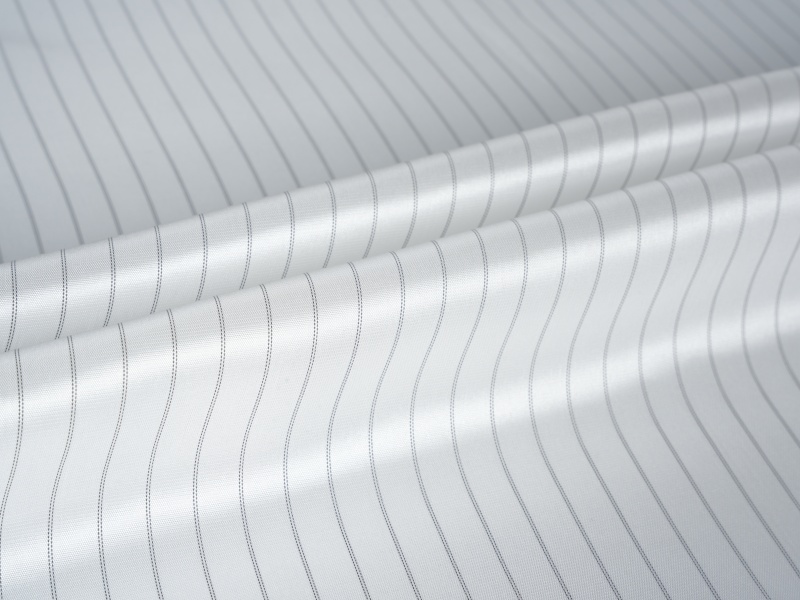
While often used for aesthetic "hidden detail," patterned weaves in patterned yarn-dyed sleeve lining wholesale options can also indicate a tightly constructed fabric. Dense stripes or checks require precise weaving, which often results in a more robust and stable cloth that contributes to the lining's overall durability and performance.
[1] Gandhi, K. L. (Ed.). (2012). *Woven Textiles: Principles, Technologies and Applications*. Woodhead Publishing. (A reference on fabric construction and abrasion resistance properties).
[2] European Chemicals Agency (ECHA). *Understanding REACH*. Retrieved from https://echa.europa.eu/regulations/reach/understanding-reach. (Source for information on EU environmental and safety regulations for textiles).
Copyright © Tongxiang Shunli Textile Technology Co., Ltd. All Rights Reserved.Custom Clothing Lining Fabrics Manufacturers
