

 English
 Español
 Français
ADDRESS
- Zicun, Chongfu Town, Tongxiang City, Zhejiang Province, China.
CONTACT
- Tel: +0086-13857379100
- Fax: +0086-0573-89372132
- Email: [email protected]
 2026-01-26
 Industry news
In the intricate world of garment construction, the choice of lining fabric is a critical decision that professionals and enthusiasts make. Among the various options, Rayon Lining Cloth Fabric stands out for its unique blend of comfort, drape, and functionality. This comprehensive guide delves into the specifics of rayon lining, exploring its characteristics, comparing it with other materials, and providing expert advice on selection. With over two decades of expertise, Tongxiang Shunli Textile Technology Co., Ltd., established in 2001 and located in the heart of China's textile hub, has been at the forefront of developing high-quality, eco-friendly lining fabrics that meet European standards.
Rayon lining fabric is a semi-synthetic material made from regenerated cellulose, typically derived from wood pulp. It is prized in the textile industry for its silk-like feel, excellent drape, and breathability. Unlike fully synthetic linings, rayon offers a more natural touch, making it a preferred choice for enhancing the comfort and structure of garments. For instance, its moisture-absorbent properties are superior to many synthetic alternatives, which is a key consideration for garment comfort[1].
Selecting rayon lining brings multiple advantages to garment manufacturing and design. Its properties directly contribute to the quality and wearability of the final product.
Understanding how rayon compares to other lining materials is crucial for making an informed choice. The following table presents a clear comparison based on key properties.
| Property | Rayon Lining | Polyester Lining | Acetate Lining | Cotton Lining |
| Source | Regenerated Cellulose | Synthetic Polymer | Cellulose Acetate | Natural Fiber |
| Breathability | High | Low to Medium | Medium | Very High |
| Moisture Wicking | Excellent | Poor | Fair | Good |
| Drape & Feel | Silky, Fluid | Crisp, Smooth | Silky, Light | Soft, Matte |
| Durability | Good (when dry) | Excellent | Fair | Very Good |
| Common Uses | Dresses, Blazers, Skirts | Jackets, Coats, Bags | Luxury Apparel, Linings | Casual Wear, Children's Clothing |
As shown, rayon offers a balanced profile. While polyester is more durable and wrinkle-resistant, it lacks the breathability of rayon. Cotton, though highly breathable, does not provide the same smooth slip and drape. Therefore, for breathable rayon lining for summer dresses, rayon is often the superior choice due to its combination of moisture management and fluidity.
Rayon lining is not a one-type-fits-all material. Its various weaves and finishes make it suitable for a wide range of applications.
This type is perfect for flowing summer dresses, skirts, and light blouses. It provides structure without adding weight or stiffness, a critical feature for lightweight rayon lining for jackets that require a soft hand feel. The focus here is on enhancing drape and comfort.
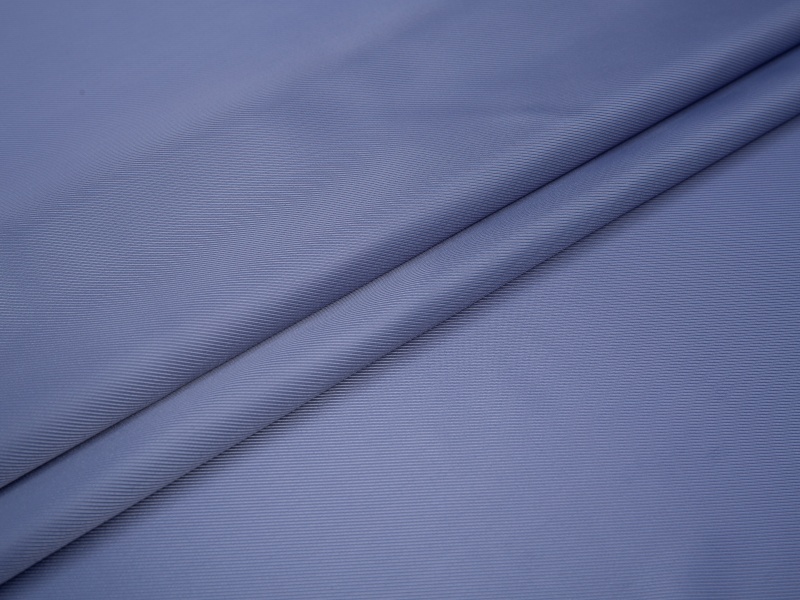
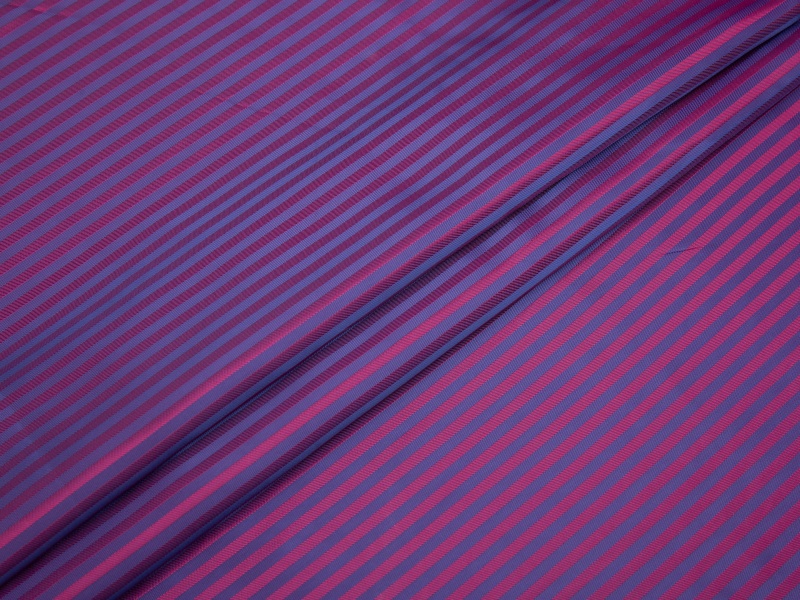
Often used in blazers, tailored trousers, and structured dresses, these weaves offer more body and durability. A viscose rayon twill lining fabric provides excellent durability and a distinctive diagonal texture, making it ideal for garments that require shape retention and a premium interior finish.
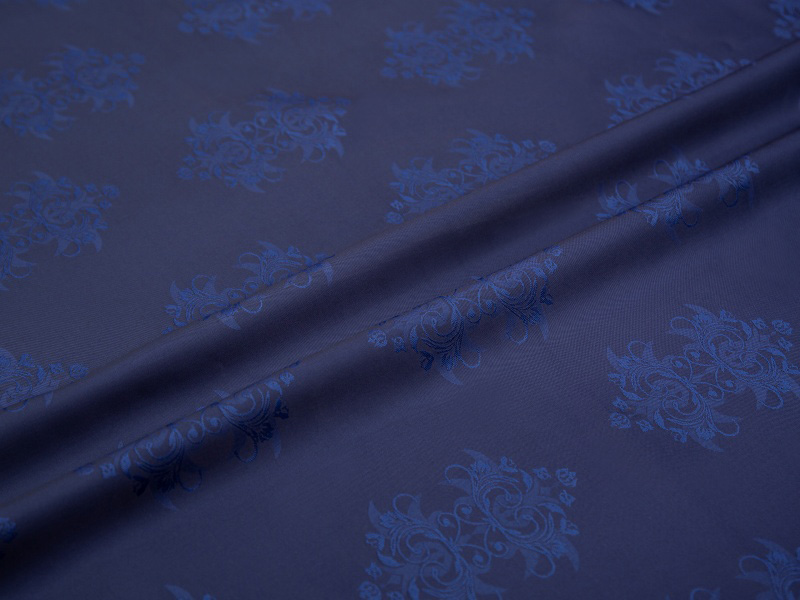
This category includes printed, elastic, and jacquard linings. For example, Tongxiang Shunli Textile Technology Co., Ltd. specializes in electronic jacquard lining, where intricate patterns or logos are woven directly into the fabric, adding a unique branded touch to high-end suits and fashion items.
Choosing the correct lining involves several technical considerations to ensure compatibility with the outer fabric and the garment's intended use.
One frequent query we address is about rayon lining shrinkage prevention methods. The most effective method is to work with lining fabric that has been pre-shrunk during manufacturing (sanforized). Always pre-wash or steam the lining before cutting if pre-shrinking isn't guaranteed. This is a standard practice in quality-focused production to ensure dimensional stability[2].
Proper care extends the life of both the lining and the garment. While care labels are paramount, general guidelines for rayon lining exist.
For those seeking a more resilient option without sacrificing a natural feel, exploring a polyester vs rayon lining durability comparison is wise. While polyester generally wins in terms of wrinkle and shrink resistance, modern rayon blends are engineered for improved durability, offering a practical middle ground.
The textile industry is increasingly focused on sustainable practices. Rayon, derived from renewable wood pulp, has a head start in this regard, especially when produced via closed-loop systems that recycle water and chemicals.
This shift is partly driven by market demand for where to buy eco-friendly rayon lining material. Manufacturers and suppliers who prioritize transparent, sustainable sourcing and production processes are becoming the partners of choice for forward-thinking brands.
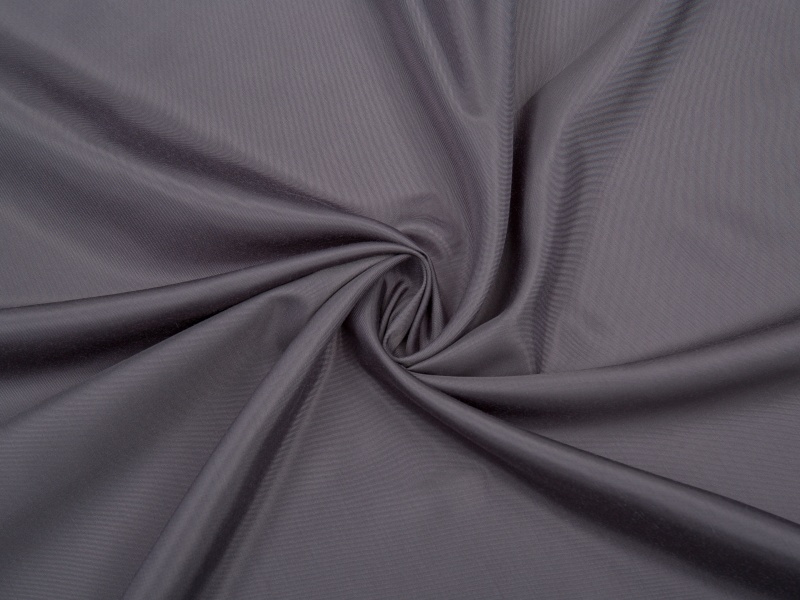
Rayon Lining Cloth Fabric remains a cornerstone of quality garment construction, offering an unparalleled balance of natural comfort, elegant drape, and functional performance. From the delicate touch needed in a summer dress to the structured support in a tailored blazer, the right rayon lining elevates the wearer's experience. With a deep understanding of its properties, comparisons, and care, designers and manufacturers can make optimal choices. Backed by over 20 years of innovation and a commitment to integrity, Tongxiang Shunli Textile Technology Co., Ltd. continues to provide the textile market with advanced, environmentally conscious lining solutions, inviting partners worldwide to build a brighter future in fashion.
The terms are often used interchangeably, as viscose is the most common type of rayon. Technically, "rayon" is the umbrella term for regenerated cellulose fibers, and "viscose" refers to the specific manufacturing process. Therefore, viscose rayon twill lining fabric is a precise description of a twill-woven lining made via the viscose process.
While rayon breathes well, it is not inherently insulating. For winter coats, a medium-weight rayon can be suitable as a comfortable inner layer against the skin, but for thermal insulation, it is often combined with other materials or used in conjunction with a separate insulating layer.
To employ effective rayon lining shrinkage prevention methods, always source pre-shrunk (sanforized) fabric. Before sewing, pre-wash the lining gently in cool water or steam it thoroughly. Avoid high-heat washing and drying.
In a direct polyester vs rayon lining durability comparison, polyester generally exhibits greater resistance to wrinkles, stretching, and shrinkage. However, high-quality rayon linings, especially in twill weaves or blends, offer sufficient durability for many applications while providing superior comfort and aesthetics.
For breathable rayon lining for summer dresses and blouses, rayon is ideal. Its lightweight, silky texture prevents adding bulk, its excellent drape complements flowing designs, and its high breathability and moisture absorption enhance comfort in warm weather.
[1] Collier, B. J., & Epps, H. H. (1999). *Textile Testing and Analysis*. Prentice Hall. This source provides foundational knowledge on fiber properties, including the moisture absorption characteristics of cellulose-based fibers like rayon.
[2] Cary, R. T. (2008). *Performance of Apparel Fabrics: A Guide to Understanding Fabric Behavior*. CRC Press. This text discusses dimensional stability and pre-shrinking processes critical to garment construction and lining selection.
Copyright © Tongxiang Shunli Textile Technology Co., Ltd. All Rights Reserved.Custom Clothing Lining Fabrics Manufacturers
