


 English
 Español
 Français
ADDRESS
- Zicun, Chongfu Town, Tongxiang City, Zhejiang Province, China.
CONTACT
- Tel: +0086-13857379100
- Fax: +0086-0573-89372132
- Email: [email protected]
 2026-01-21
 Industry news
The selection of lining material is a pivotal decision in the creation of high-quality leather products, one that profoundly influences durability, comfort, and overall value. Often hidden from immediate view, the lining serves as the critical interface between the user and the sturdy outer leather shell. Its functions extend far beyond mere aesthetics; a well-chosen leather lining fabric manages moisture, enhances structural integrity, provides comfort against the skin, and can significantly extend the lifespan of the item. Conversely, a poor lining choice can lead to premature wear, discomfort, and a disappointing user experience that undermines the investment in the outer leather. This guide delves into the nuanced world of leather lining fabrics, providing a comprehensive framework for selecting the optimal material for footwear, bags, and apparel. We will explore key considerations such as breathability, durability, tactile feel, and maintenance requirements, ensuring your next project achieves a perfect harmony of form and function. The process involves evaluating specific end-uses, understanding material properties, and aligning those properties with the performance demands of the final product.
Choosing the correct lining is a multidimensional process. It requires balancing practical performance with sensory appeal and cost considerations. One cannot simply select the softest or the most durable fabric in isolation; the context of use is paramount. For instance, a lining suitable for a winter boot will have vastly different requirements from that of a summer sandal or a formal blazer. This section breaks down the core factors that must be weighed during the selection process. These factors are interrelated, and a decision in one area often impacts another. A thorough understanding of these elements empowers designers, manufacturers, and even informed consumers to make choices that elevate the quality of the finished good. We will explore the importance of breathability and moisture management, the essential mechanical properties of abrasion resistance and tensile strength, the subjective yet crucial aspects of hand feel and aesthetic appeal, and the practical realities of care and maintenance. Mastery of these factors is the foundation for specifying the ideal lining material.
Perhaps the most critical functional aspect of a lining, especially for shoes and garments, is its ability to handle moisture vapor and liquid perspiration. The human body naturally regulates temperature through perspiration, and in enclosed items like footwear or jackets, this moisture must be transported away from the skin to maintain comfort and hygiene. Breathability refers to a fabric's ability to allow water vapor to pass through its structure. Effective moisture management prevents the buildup of dampness, which can lead to discomfort, skin irritation, odor proliferation, and the degradation of both the lining and the outer leather over time. Materials differ vastly in this capability. Natural fibers like cotton or certain leathers often provide excellent breathability but may absorb and retain liquid moisture. Synthetic technical fabrics may wick moisture away more aggressively through capillary action but vary in their vapor permeability. The choice here is often a calculated trade-off based on the product's intended activity level and environment.
When comparing common lining materials for breathability, we observe distinct performance profiles. For example, a full-grain calfskin lining offers moderate breathability but excels in durability, while a high-quality pigskin lining is often more breathable and flexible. Textile linings present another spectrum: tightly woven synthetics may be less breathable but highly stain-resistant, whereas natural fiber knits offer superior air circulation. The following table contrasts key materials:
| Lining Material | Breathability Level | Moisture Absorption | Best Use Case for This Property |
|---|---|---|---|
| Full-Grain Calfskin | Moderate | Low to Moderate | Dress shoes, luxury bags where structure is key. |
| Pigskin (Suede finish) | High | Moderate | Boots, work gloves, casual footwear requiring flexibility. |
| Cotton Twill or Canvas | High | High | Casual shoes, summer jackets, linings where sweat absorption is acceptable. |
| Microfiber/PU Synthetic | Low to Moderate | Very Low (Wicks moisture) | Rain boots, easy-clean bag linings, items where liquid repellency is prioritized. |
| Mesh Textile (Nylon/Polyester) | Very High | Low (Dries quickly) | Athletic footwear, performance apparel, areas needing maximum ventilation. |
The lining of a product is subject to constant friction from movement, contact with contents (like keys in a bag), and the pressure of feet or hands. Therefore, durability is non-negotiable. Abrasion resistance measures a fabric's ability to withstand surface wear from rubbing. A lining with poor abrasion resistance will quickly develop holes, thin spots, or an unsightly "polished" look, compromising the item's integrity and appearance. durable pigskin lining for work boots is a classic example of prioritizing this factor. Pigskin is notably tough and resilient, making it ideal for environments where the lining will be subjected to significant stress. Testing standards, such as the Martindale or Taber tests for textiles, provide quantitative data on a material's resilience. For leather linings, thickness (measured in ounces or millimeters) and the type of finish (e.g., suede vs. smooth) greatly influence durability. A smooth, coated finish might resist scuffing better initially, but once compromised, it can peel. A suede or napped finish, while potentially showing wear patterns, often wears more evenly.
Key considerations for evaluating durability include:
A breathable leather lining for summer shoes must still possess adequate durability, even if the primary focus is on ventilation. A lightweight calfskin or a specially tanned, perforated leather can offer a good balance, whereas a delicate, unbacked mesh might fail quickly in high-friction zones like the heel.
The sensory experience of a product is largely dictated by its lining. "Hand feel" describes the tactile qualities perceived when touching the fabric: its softness, smoothness, warmth, and texture. For garments worn against the skin and for the interior of handbags where hands frequently reach in, this is a primary quality indicator. A lining with a harsh, rough, or sticky hand feel will render an otherwise beautiful item unpleasant to use. Comfort is a broader metric encompassing hand feel, temperature regulation (discussed earlier), and fit. A lining with the right amount of stretch or suppleness can improve a shoe's fit or a glove's dexterity. Aesthetically, the lining contributes to the product's identity. A vibrant colored silk lining in a formal coat, a contrast-colored soft leather lining for luxury handbags, or a subtly branded patterned textile all add an element of discovery and perceived value. The aesthetic choice must be intentional, supporting the product's overall design language.
Common descriptors for hand feel in lining materials include:
The pursuit of a lightweight leather lining for garments often centers on maximizing comfort without adding bulk. Lamb nappa or very fine deerskin are examples of leathers that provide an exceptionally soft, comfortable feel with minimal weight, making them ideal for lightweight jackets, gloves, and delicate apparel where the lining is a key comfort component.
The application of the lining material dictates the priority of the factors discussed above. A one-size-fits-all approach does not work. The engineering demands of a shoe, the wear patterns of a bag, and the drape requirements of a garment are distinct. This section provides targeted guidance for each major category, helping to narrow the infinite field of material choices to those best suited for the specific challenges and opportunities presented by footwear, bags, and clothing. By focusing on the unique performance criteria and common failure points in each category, we can develop a strategic approach to lining selection that enhances product performance, longevity, and user satisfaction. We will examine the high-stress environment inside a shoe, the abrasive world of a bag's interior, and the sensitive, dynamic context of garment linings.
Footwear lining is arguably the most technically demanding application. It must withstand a combination of moisture, salt, heat, constant friction, and mechanical pressure. The lining is in direct contact with socks and skin, making comfort and hygiene paramount. Different parts of the shoe also have different requirements. The vamp (front of the shoe) requires excellent flex resistance and breathability. The quarter (sides and back) needs abrasion resistance, especially at the heel counter to prevent blisters. The insole cover (the lining you stand on) must be exceptionally durable and often moisture-wicking. For formal leather shoes, smooth calfskin lining is traditional, offering a polished look and good durability. For boots, a durable pigskin lining for work boots or a robust cowhide suede is common. In athletic or casual shoes, textile linings dominate, with meshes for ventilation in the upper and padded, moisture-managing fabrics in the tongue and collar.
A critical consideration is the waterproof and breathable leather lining for hiking boots. This represents a high-performance niche where the lining is part of a membrane system (e.g., laminates). Here, the leather is often treated or paired with a functional laminate to create a barrier against liquid water while allowing vapor from perspiration to escape. This technology is crucial for footwear used in wet conditions, as it keeps feet dry from both external water ingress and internal sweat accumulation. Failure to manage this effectively leads to cold, wet feet and rapid deterioration of the footwear's interior. The choice between a full leather lining and a hybrid leather-textile-membrane system is a fundamental one, balancing traditional comfort, durability, and modern technical performance.
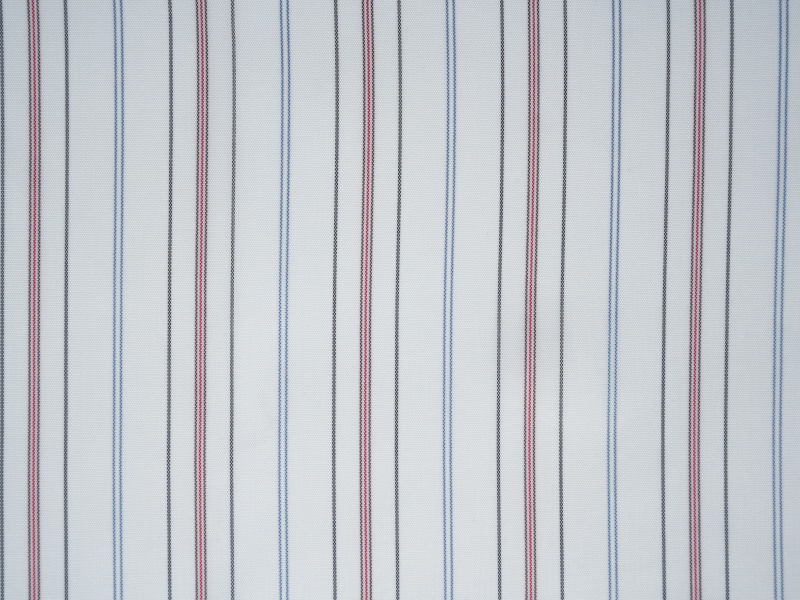
Bag linings face a different set of challenges: abrasion from contents, potential for spills and stains, and the need for organizational functionality and aesthetic appeal. Durability here is about resisting scratches from keys, pens, and other hard objects, as well as preventing tearing at stress points like seam allowances. Cleanability is a major factor, as bags can accumulate dust, crumbs, and spills. A soft leather lining for luxury handbags conveys exclusivity and tactile pleasure, but it may be more susceptible to staining and showing wear from sharp items. Therefore, it is often used in higher-end fashion bags where the user is presumed to be more careful. For everyday bags, travel luggage, and backpacks, durable, easy-clean synthetics like polyester taffeta, nylon, or coated canvases are prevalent. These materials often feature water-resistant treatments and are available in a vast array of colors and patterns, aiding in interior visibility.
Key functional features for bag linings include:
The trend towards technical functionality has also introduced linings with anti-microbial treatments, RFID-blocking layers, and fire-retardant properties for specific professional or travel uses. The choice ultimately hinges on the bag's purpose: a tool bag needs extreme toughness, a laptop bag may need padding and organization, while a evening clutch prioritizes luxury feel over practical resilience.
Garment lining serves to enhance comfort, improve drape and fit, protect the outer fabric (especially with delicate or scratchy materials like wool), and add a finished look. It must move with the body, breathe, and feel pleasant against the skin. For leather jackets, blazers, and coats, the lining choice is integral to the wearing experience. A lightweight leather lining for garments such as a lightweight lambskin can provide incredible softness and a unique "second skin" feel, but it adds cost and requires professional cleaning. More commonly, woven textiles like cupro, viscose, acetate, or polyester are used. These offer excellent drape, a smooth feel for easy on/off, and good breathability at a lower cost. For outerwear, thermal insulating linings like flannel or quilted materials may be used. The lining must also be compatible with the outer material in terms of care; a dry-clean-only leather outer should not be paired with a lining that requires machine washing.
A specialized niche is the waterproof and breathable leather lining for hiking boots, which has a parallel in performance apparel. Jackets designed for severe weather may use laminated leather or textile linings that are part of a breathable membrane system, similar to footwear. However, for most leather garments, the focus is on comfort and aesthetics. The lining affects how the garment hangs on the body. A slippery lining allows the outer shell to move independently, reducing friction and wrinkling. A heavier lining can add structure and warmth. Common points of wear in garment linings are the armholes, cuffs, and areas under tension, so reinforcing these sections with a more durable fabric (like a satin-back cotton) is a hallmark of quality construction. The selection process involves matching the lining's weight, hand, and care properties to the intended use of the garment, whether it's a formal trench coat, a casual bomber jacket, or a functional field coat.
Investing in a properly lined leather item is only the first step; ensuring its longevity requires appropriate care that considers both the outer leather and its lining. Maintenance routines must be tailored to the specific materials involved. Using a cleaning product designed for full-grain cowhide on a delicate lambskin lining, for instance, could cause damage. The first rule is always to consult the manufacturer's care instructions. For mixed-material items, care should be guided by the most delicate component. Regular maintenance involves keeping the item clean and dry. After use, especially for shoes and boots, allowing them to air out naturally away from direct heat sources helps evaporate internal moisture, preserving both the leather and the lining. Using shoe trees helps maintain shape and absorb residual dampness. For bags, emptying contents and storing them in a dust bag allows the lining to breathe. Spot cleaning stains on linings immediately with a damp cloth is recommended, but aggressive rubbing should be avoided to prevent damage to the fabric's surface or dye.
Specific care tips based on lining type:
Understanding that the lining is a vital, functional component of the product is the key to proper care. Treating the interior with the same respect as the exterior will ensure the item remains comfortable, functional, and beautiful for many years, protecting the investment made at the point of selection.
Copyright © Tongxiang Shunli Textile Technology Co., Ltd. All Rights Reserved.Custom Clothing Lining Fabrics Manufacturers
