

 English
 Español
 Français
ADDRESS
- Zicun, Chongfu Town, Tongxiang City, Zhejiang Province, China.
CONTACT
- Tel: +0086-13857379100
- Fax: +0086-0573-89372132
- Email: [email protected]
 2026-01-14
 Industry news
Understanding the properties of Suit Lining Fabrics is crucial for B2B buyers, manufacturers, and wholesale distributors who prioritize garment quality and long-term performance. Linings not only influence drape and movement but also impact comfort, durability, and wearability of suits. In recent years, the industry has seen a shift toward sustainable, high-performance, and climate-adapted linings, with global demand for eco-friendly options increasing significantly.
According to the latest report by the Global Industrial Research Institute, the demand for formalwear linings is projected to grow steadily from 2024 to 2025, with European markets leading the adoption of sustainable and high-performance materials.
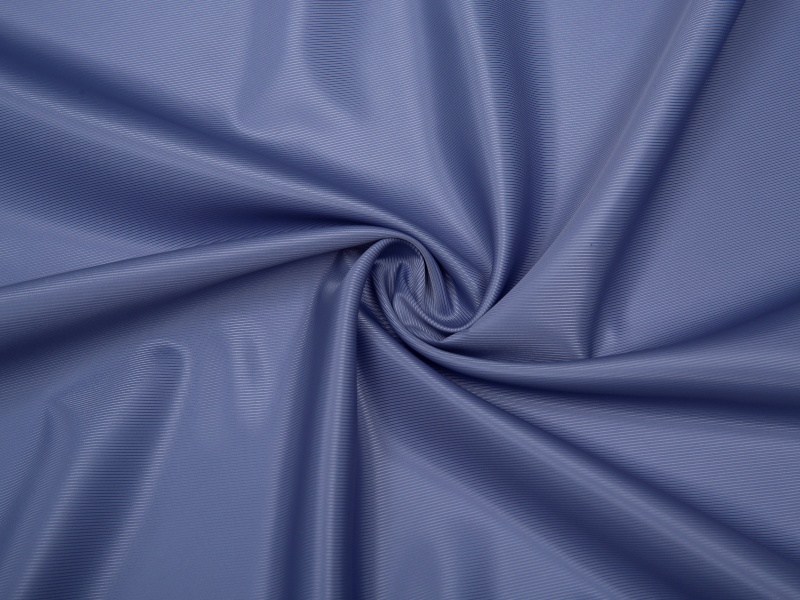
Suit Lining Fabrics serve as the interior layer of tailored garments, providing structural support, comfort, and aesthetic finish. They influence drape, thermal regulation, and moisture management. For formal suits, linings enhance the wearer's comfort, prevent wear and tear, and allow smooth movement. Leading B2B buyers prefer linings that meet both technical standards and environmental compliance, especially when exporting to European markets.
Material selection is fundamental to performance. A polyester-viscose blend suit lining fabrics benefits from combining the softness of viscose with the durability of polyester. Pure polyester is more durable and cost-efficient, while viscose offers a luxurious hand feel.
| Property | Polyester | Polyester-Viscose Blend | Viscose |
| Hand Feel | Medium smooth | Soft & smooth | Very smooth |
| Durability | High | Medium-High | Medium |
| Drape | Moderate | High | High |
High-quality linings should demonstrate sufficient tensile strength, abrasion resistance, and thermal performance. For example, durable suit lining fabrics for bulk orders must withstand repeated tailoring processes and garment wear, ensuring longevity for wholesale buyers.
Moisture-wicking and air permeability are critical for comfort, especially for breathable suit lining fabrics for hot climates. Fabrics with higher air permeability allow sweat evaporation and prevent overheating, improving comfort in formal or business settings.
The adoption of sustainable suit lining fabrics for formal wear has become a key factor in sourcing decisions. Many European and North American clients now require certifications like OEKO-TEX and compliance with EU environmental standards for textile imports.
According to the latest report by Textile Exchange (2025), over 60% of European apparel manufacturers now require sustainable or certified linings to meet environmental and ethical sourcing standards. ([Source: Textile Exchange](https://textileexchange.org/2025-textile-market-report/))
The following table summarizes key differences among common lining materials, aiding B2B buyers in making informed purchasing decisions:
| Feature | Polyester | Polyester-Viscose Blend | Viscose |
| Durability | High | Medium-High | Medium |
| Comfort | Medium | High | High |
| Cost | Low | Medium | High |
| Moisture Management | Low | Medium | High |
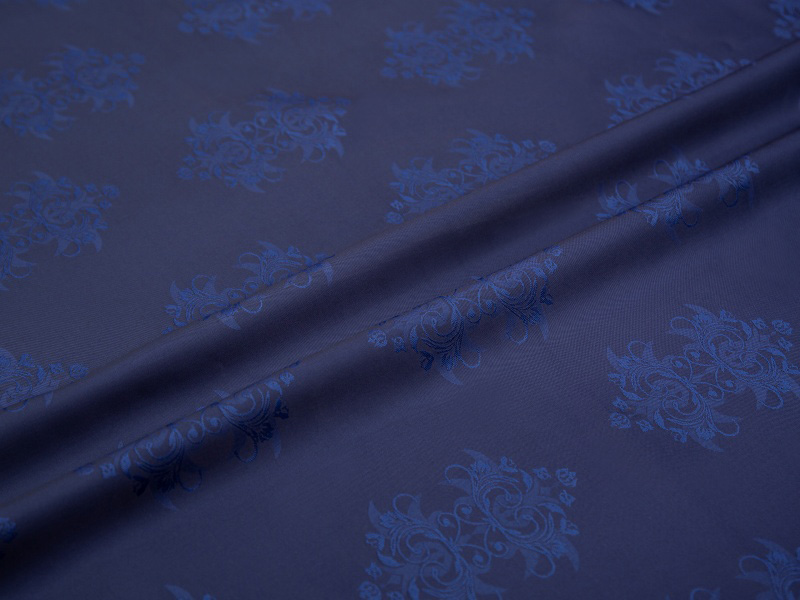
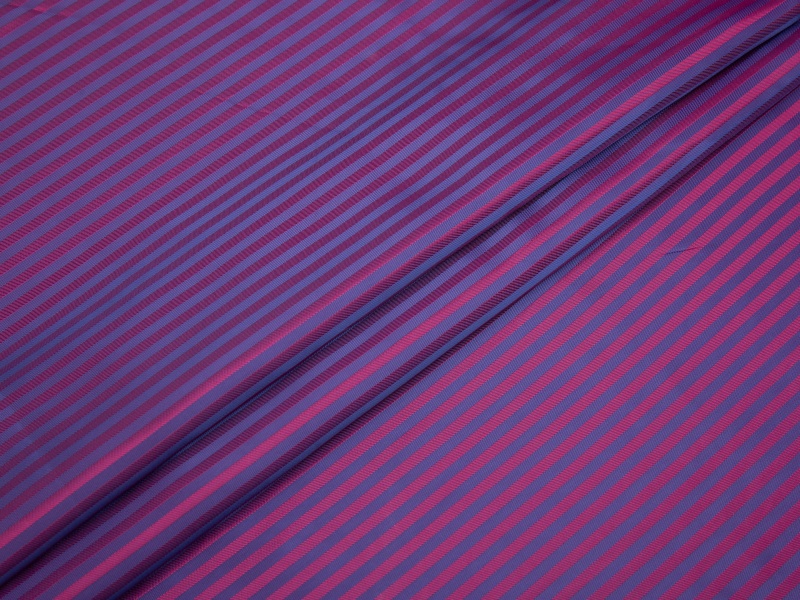
The global lining fabrics industry has seen steady growth due to the rise in formalwear demand and focus on sustainable textiles. High performance suit lining fabrics moisture control and anti-microbial properties are emerging trends for premium formalwear. Additionally, innovation in electronic jacquard, dyed sleeves, and elastic cloth has expanded the variety of linings suitable for diverse climates and applications.
Source: Industry Today – Lining Fabric Market Trends and Forecast
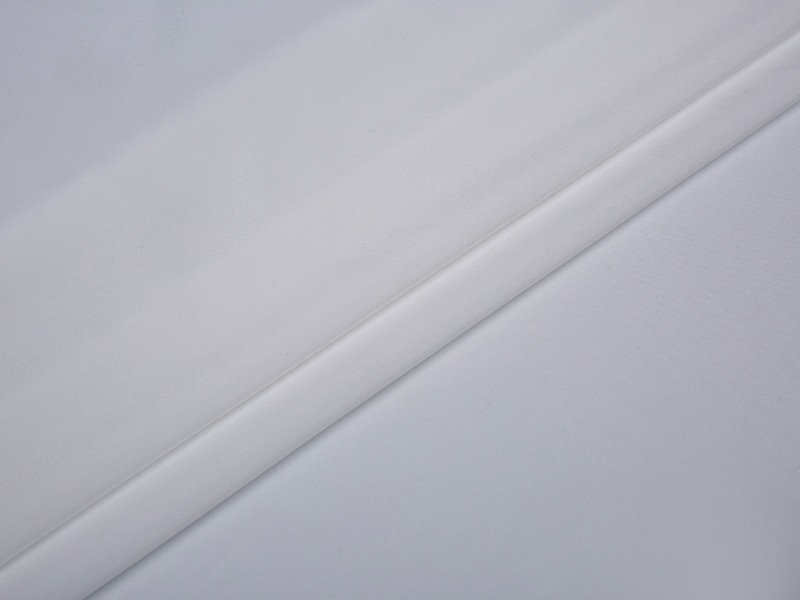
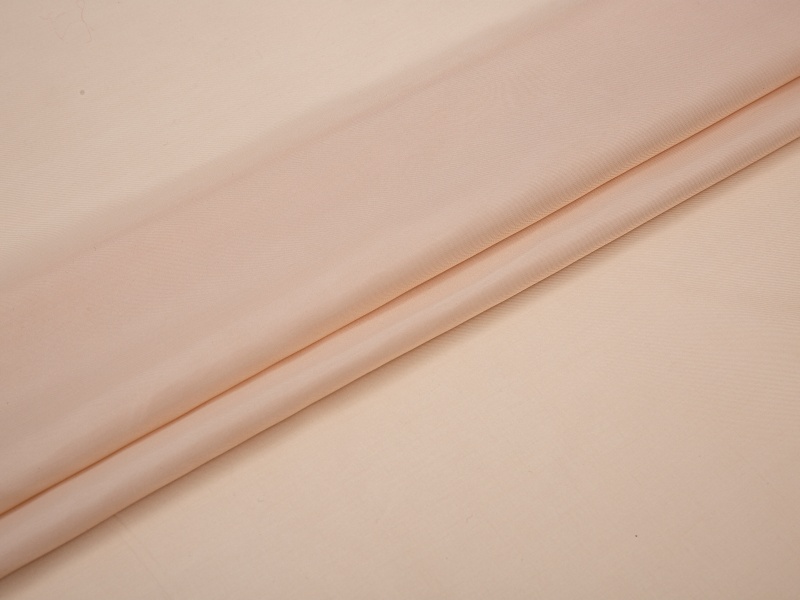
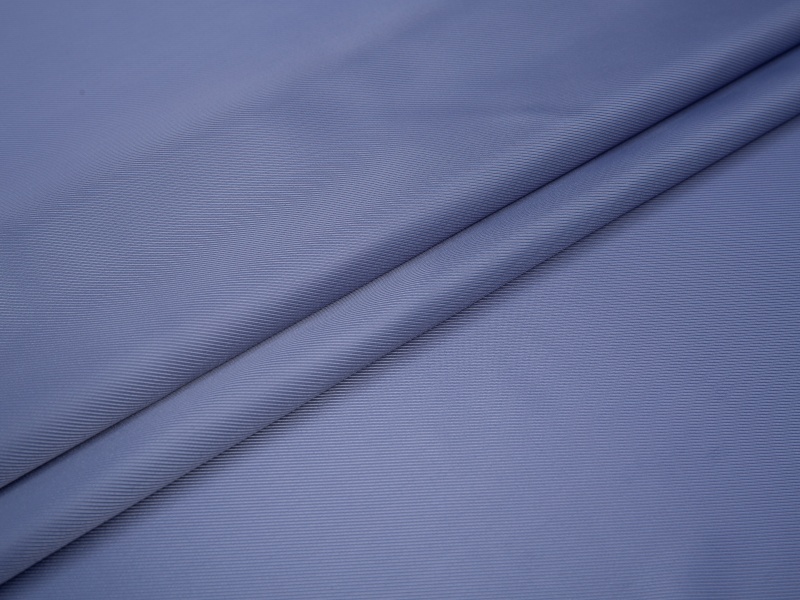
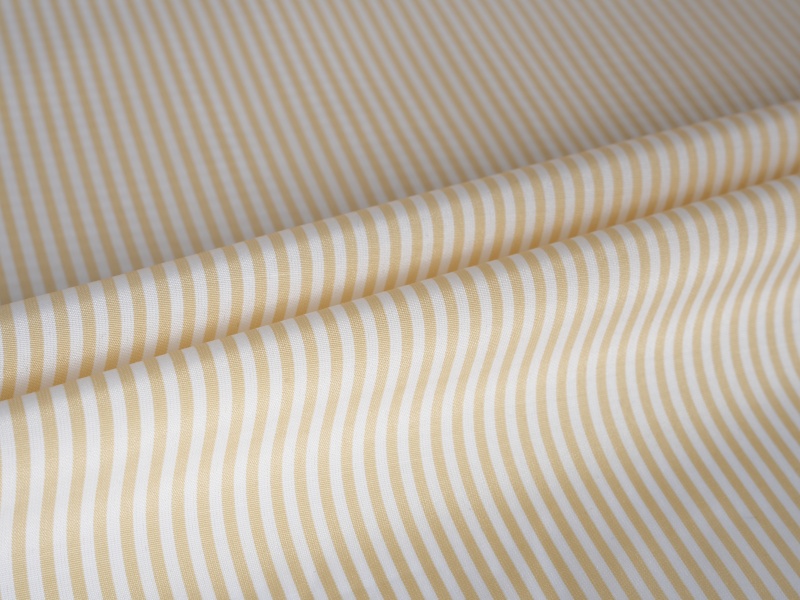
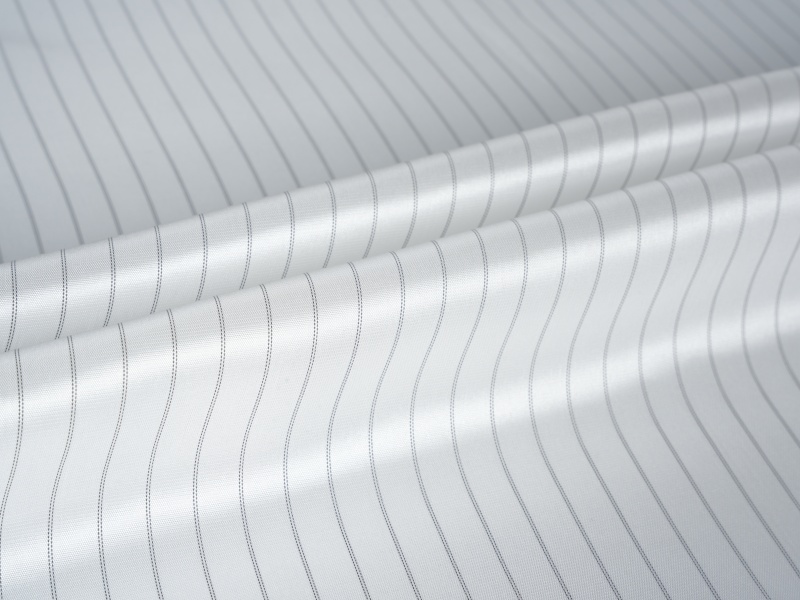
Tongxiang Shunli Textile Technology Co., Ltd., established in 2001 in Zhicun Textile Industrial Park, Chongfu Town, specializes in high-end clothing linings for suits, jackets, and fashion garments. With products including electronic jacquard linings, twill, dyed sleeves, elastic cloth, and printed fabrics, the company adheres to European environmental standards and supports international partners in sourcing premium Suit Lining Fabrics.
Copyright © Tongxiang Shunli Textile Technology Co., Ltd. All Rights Reserved.Custom Clothing Lining Fabrics Manufacturers
