


 English
 Español
 Français
ADDRESS
- Zicun, Chongfu Town, Tongxiang City, Zhejiang Province, China.
CONTACT
- Tel: +0086-13857379100
- Fax: +0086-0573-89372132
- Email: [email protected]
 2026-05-12
 Industry news
Suit lining is one of the most consequential — and least visible — decisions in tailoring. It affects how a jacket drapes, how it feels against the body, how long it lasts, and how the garment breathes in different climates. Understanding the main types of suit lining helps both buyers and garment professionals make informed choices across construction methods, fabric weights, and end-use requirements.
Suit linings are classified along two axes: coverage (how much of the jacket interior is lined) and fabric material (the fiber and weave of the lining cloth itself). These two variables together determine the comfort, breathability, cost, and tailoring character of the finished garment.
A fully lined suit jacket has lining covering the entire interior — front panels, back panel, sleeves, and side panels. Full lining is the standard for formal business suits, winter-weight jackets, and structured tailoring. It provides a clean, finished interior, protects the shell fabric from wear and perspiration, and makes the jacket easier to put on and take off by reducing friction between the lining and clothing worn underneath. The tradeoff is reduced breathability, making full lining less suitable for warm climates or lightweight summer fabrics.
A half-lined jacket — also called quarter-lined — covers the front panels and the upper back, leaving the lower back and often the sleeves unlined. The unlined areas are finished with clean seams, fell stitching, or a lining fabric that stops partway down the back. Half lining significantly improves ventilation and reduces weight, making it the preferred construction for spring/summer suits and lightweight tropical wools. It is also a marker of quality in high-end Neapolitan tailoring, where the unlined back is deliberately exposed as a sign of handwork and craftsmanship.
An unlined suit jacket has no lining fabric at all. All interior seams and edges are finished by other methods — bound seams, flat-felled seams, or Hong Kong finish. Unlined jackets are the lightest and most breathable option, often used in casual suit styles, linen jackets, and sports coats intended for warm weather. They require more careful interior finishing and typically demand a higher level of tailoring skill to execute cleanly.
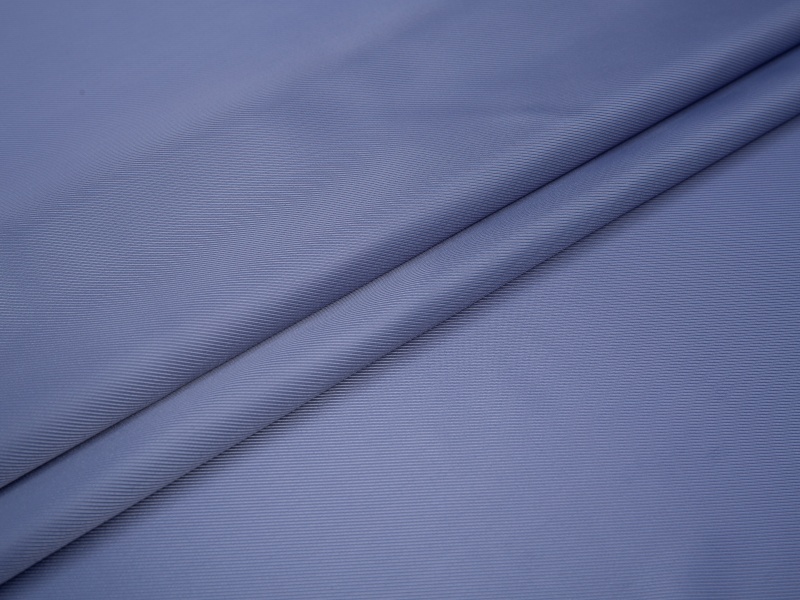
The lining fabric must satisfy several competing requirements simultaneously: it must be smooth enough to slide easily over shirts and knitwear, durable enough to outlast the shell fabric at stress points (pocket openings, armholes, sleeve crowns), light enough not to add bulk, and ideally breathable enough to manage moisture. No single material excels at every requirement — the best suit lining fabric for a given application depends on the jacket's end use, price point, and construction method.
Bemberg — the trade name for cuprammonium rayon, or cupro — is widely considered the finest suit lining fabric available. It is produced from cotton linter cellulose dissolved and regenerated into a continuous filament fiber, giving it a silk-like hand with the moisture management of natural cotton. Bemberg breathes well, drapes beautifully, generates minimal static, and has a soft, warm touch against the skin that synthetic linings cannot replicate. It is the lining of choice in high-end Italian and British bespoke tailoring, and is found in premium ready-to-wear suits from heritage menswear brands. Its main limitation is cost — Bemberg is significantly more expensive than polyester alternatives — and it requires more care in laundering.
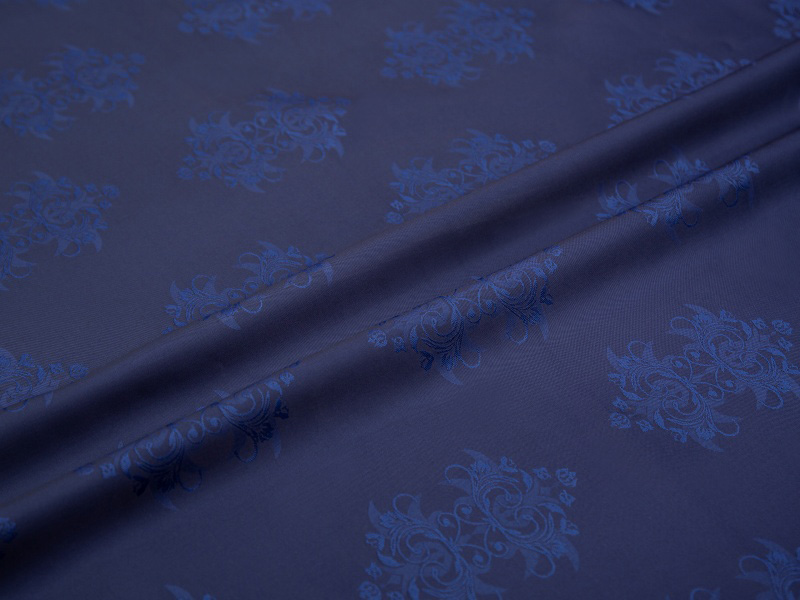
Viscose lining is the most common mid-range suit lining fabric globally. It offers a smooth, lustrous surface, reasonable breathability, and good drape at a fraction of the cost of Bemberg. Viscose linings are comfortable against the skin and available in a wide range of weights, colors, and jacquard patterns — including the classic Paisley and houndstooth linings used in statement-lining suit styling. The key weaknesses of viscose are lower abrasion resistance compared to polyester (sleeve linings and pocket bags in viscose suits tend to wear through faster) and sensitivity to moisture, which can cause shrinkage if the jacket is wet-cleaned without care.
Polyester is the dominant lining material in volume garment manufacturing due to its low cost, high durability, and dimensional stability. Polyester linings resist abrasion, do not shrink, hold dye reliably, and are easy to sew at industrial speeds. The significant drawbacks are poor breathability — polyester traps heat and moisture against the body — and a tendency to generate static electricity. Modern microfiber polyester linings have narrowed the comfort gap with natural-fiber options, and some performance polyester linings incorporate moisture-wicking treatments, but polyester remains a compromise choice for any jacket where comfort in wear is a priority.
Silk lining — typically a lightweight silk habotai, charmeuse, or twill — is the traditional choice in the finest bespoke tailoring. Silk is extraordinarily smooth, naturally temperature-regulating, and lightweight. It is, however, fragile under abrasion, sensitive to perspiration and body oils over time, and expensive. For this reason, pure silk lining is now rare even in high-end ready-to-wear; it is most commonly found in couture, ceremonial uniforms, and high-priced bespoke commissions where longevity of the lining is secondary to the sensory quality of the garment.
Heavy overcoats are sometimes lined in lightweight wool — flannel, melton, or wool jersey — rather than woven satin-weave fabrics. Wool lining adds insulation, structure, and a luxurious handle, and pairs well with heavy topcoat cloths. It is primarily found in winter coats and bespoke overcoats rather than suit jackets, where the weight penalty would be unacceptable.
| Lining Fabric | Breathability | Durability | Comfort Against Skin | Price Range | Best For |
|---|---|---|---|---|---|
| Bemberg (Cupro) | Excellent | Good | Excellent | High | Bespoke, premium RTW suits |
| Viscose / Rayon | Good | Moderate | Good | Mid | Mid-range suits, statement linings |
| Polyester | Poor | Excellent | Moderate | Low | Volume manufacturing, budget suits |
| Silk | Excellent | Poor | Excellent | Very High | Bespoke, couture, ceremonial |
| Wool | Good | Good | Good | Mid–High | Winter overcoats |
Coat lining fabric faces different demands than suit jacket lining. An overcoat lining must withstand significantly more mechanical stress — heavier shell fabrics pull on the lining at armholes and side seams, the lining is compressed more severely when the coat is folded or stored, and the coat is typically worn over multiple layers, requiring a lining smooth enough to slide over suit jackets and knitwear without bunching or clinging.
For these reasons, coat linings are typically heavier weight than suit jacket linings — 80–120 g/m² is common for overcoat lining versus 60–80 g/m² for suit jackets. The weave structure is also important: a satin weave (more float threads on the face) provides a smoother, more slippery surface than a plain weave, which is particularly valuable in coats worn over bulky layers.
Quilted linings are a practical solution in winter coats where additional insulation is needed without the bulk of a full interlining. A lightweight polyester or down-alternative batting is sewn between the lining face and a backing, creating a padded effect. Quilted linings add warmth but increase the overall weight and reduce packability — they are best suited to structured city overcoats rather than travel-weight topcoats.
For raincoats and trench coats designed to be worn in wet conditions, lining fabric must be treated for moisture resistance or selected from inherently moisture-resistant synthetics. Standard viscose or Bemberg linings will absorb water and become heavy and clingy when wet — a significant comfort problem in an outerwear context.
A suit jacket lining that is "not sewn" — also described as a floating lining, free lining, or surgeon's cuff lining in specific contexts — refers to a construction where the lining is intentionally left unattached at certain points rather than fully hand- or machine-stitched to the shell fabric. This is a deliberate construction choice, not a manufacturing defect, and it is one of the most important signals of tailoring quality.
In the finest hand-sewn bespoke jackets, the body lining is attached at its perimeter — along the front edges, hem, and collar — but is left free (floating) across the back panel and sometimes across large areas of the front. The lining is not fused or fully quilted to the canvas and shell fabric; instead, it lies loosely inside the jacket, tacked at intervals with catch-stitches called prick stitches that secure it without pulling. This floating construction allows the jacket shell and its internal canvas to move and breathe independently, preserving the three-dimensional drape that is the hallmark of properly canvassed tailoring. A lining sewn tightly to every seam of the shell would flatten the fabric and prevent the canvas from doing its work.
In contrast, when the lining of a ready-to-wear suit separates, bubbles, or detaches at the hem, sleeve seam, or front edge, this indicates a construction failure — most often a breakdown of the glue used in fused linings, or a thread break in a machine-sewn seam under stress. A lining separating at stress points in a garment that should be fully sewn is a quality defect. Common failure sites include the lower hem (where the lining is attached to the shell with a hand catch-stitch or chain-stitch), the sleeve crown (where lining ease is insufficient to accommodate arm movement), and the front facing edge (where the lining meets the lapel facing).
A lining that has separated at the hem or a seam can be repaired by a tailor using a slip stitch or fell stitch — a hand-sewing technique that attaches the lining to the facing or shell hem without the stitches showing on the exterior. This is a minor alteration that most tailors and dry cleaners with alteration services can perform quickly. More extensive lining failures — bubbling across the front chest due to fuse delamination, or sleeve lining deterioration — may require partial or full lining replacement, which is a more involved alteration but entirely feasible in a well-equipped alterations workroom.
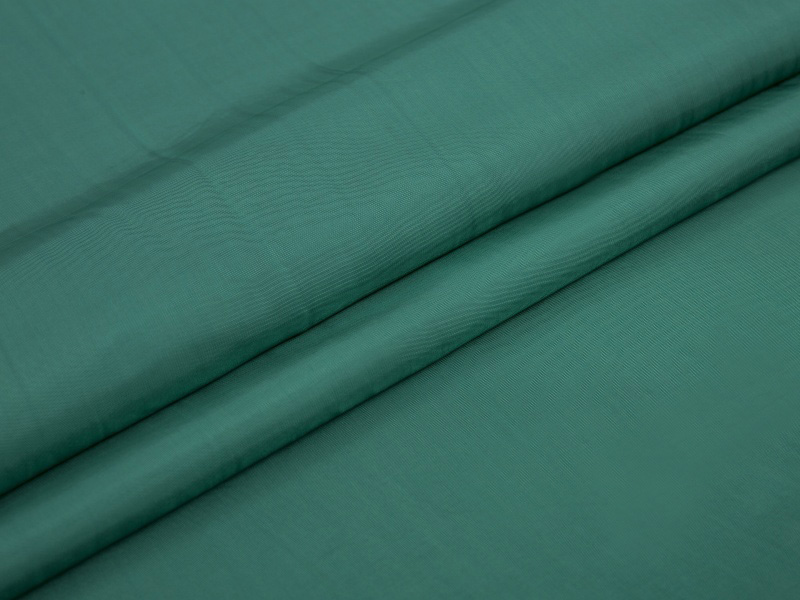
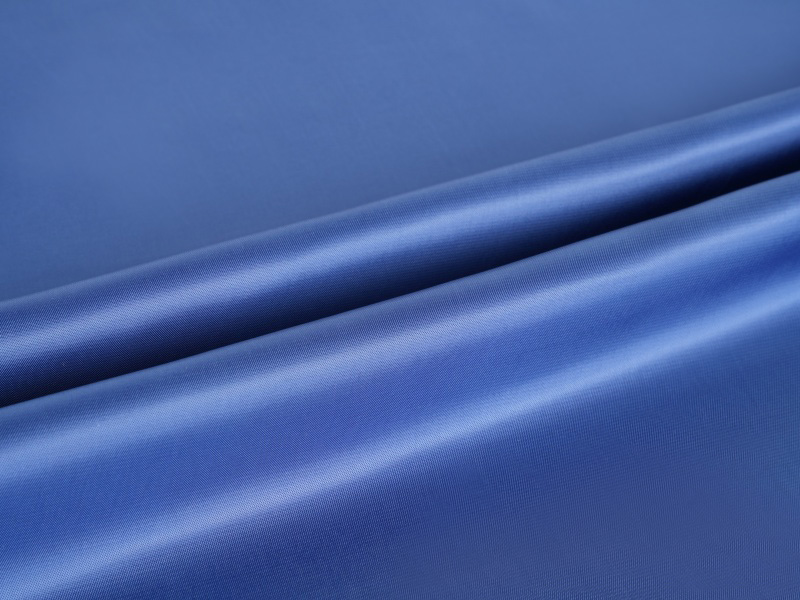
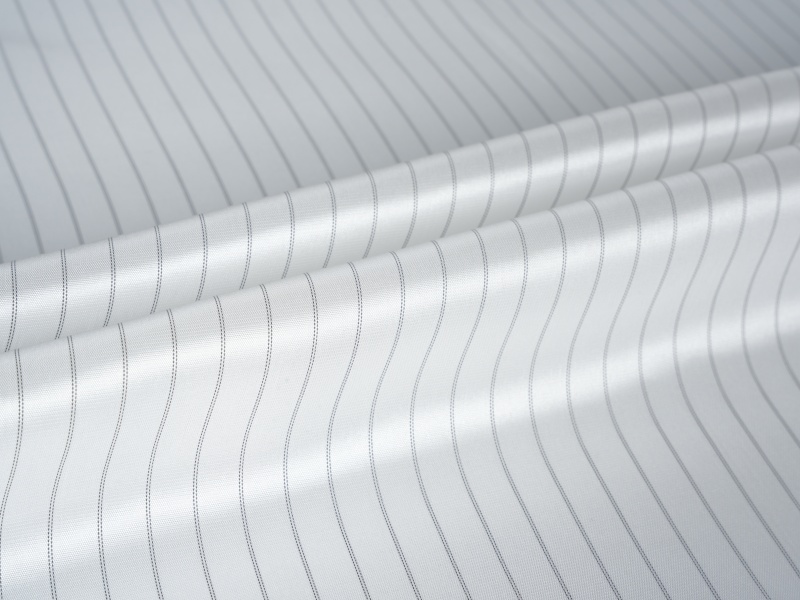
Beyond fiber content, the weave structure of a suit lining fabric determines its surface smoothness, drape, and durability. The three most common weave structures in suit and coat linings are:
Many suits use a combination of weave structures: a satin-weave body lining for comfort and drape, with plain-weave or twill-weave pocket bag fabric at the pockets, where abrasion from hands and stored items would quickly degrade a lightweight satin construction.

Copyright © Tongxiang Shunli Textile Technology Co., Ltd. All Rights Reserved.Custom Clothing Lining Fabrics Manufacturers
