

 English
 Español
 Français
ADDRESS
- Zicun, Chongfu Town, Tongxiang City, Zhejiang Province, China.
CONTACT
- Tel: +0086-13857379100
- Fax: +0086-0573-89372132
- Email: [email protected]
 2026-08-17
 Industry news
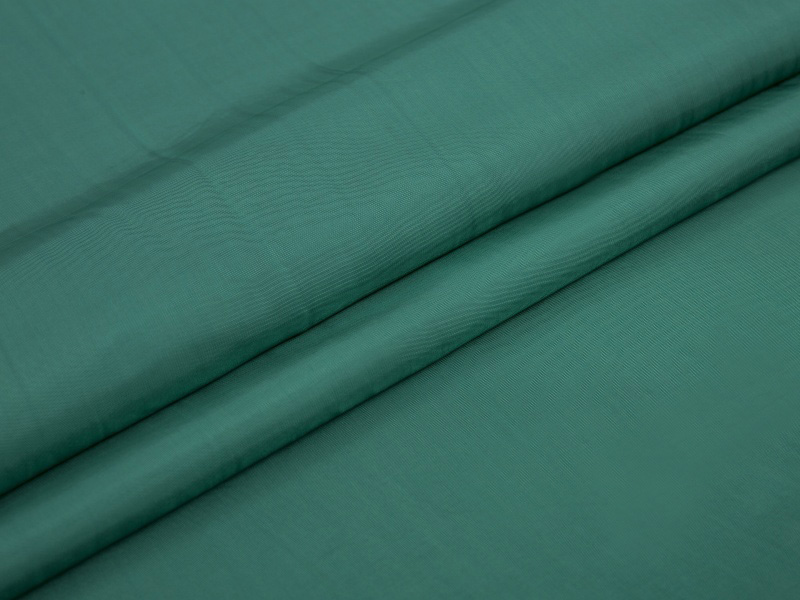
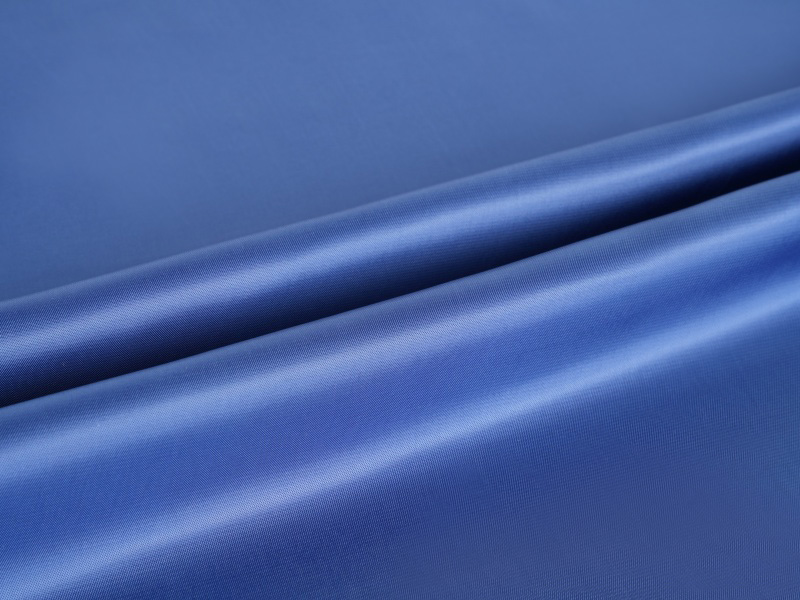
When constructing a tailored jacket, blazer, or coat, the Yarn-dyed Sleeve Lining Fabric is often a hallmark of quality that distinguishes premium garments from standard apparel. Unlike piece-dyed fabrics where the finished textile is immersed in a dye bath, yarn-dyed fabrics receive their color before the weaving process even begins. This fundamental difference in manufacturing creates a cascade of performance advantages, particularly for the high-friction, high-movement environment of a garment's sleeve. This article explores the technical benefits of using yarn-dyed fabrics specifically for sleeve linings, drawing on industry practices and material science to explain why this choice matters.
One of the most significant benefits of Yarn-dyed Sleeve Lining Fabric is its exceptional color fastness. Because the dye penetrates the individual fibers before they are woven into the fabric, the color is locked into the core of the thread[citation:3][citation:5]. This means that the lining is far less susceptible to fading from regular wear and washing.
Sleeve linings experience constant friction as the arms move against the outer fabric and the body. In piece-dyed fabrics, the color sits primarily on the surface of the yarn. Over time, this surface layer can rub off, leading to noticeable fading and an unattractive "white cast" in high-contact areas. Conversely, the color in a yarn-dyed fabric is an integral part of the fiber itself. As the surface experiences abrasion, the color remains consistent throughout the thread, ensuring that the lining maintains its original shade even after prolonged use.
The benefits of yarn-dyeing are particularly pronounced when the lining needs to be cleaned. While many linings are dry-clean only, those made from washable materials benefit from the color retention of the yarn-dye process. Tests comparing yarn-dyed and piece-dyed linings show that yarn-dyed options retain a higher percentage of their original color strength after multiple wash cycles, resisting the dulling effect that often plagues piece-dyed fabrics[citation:5].
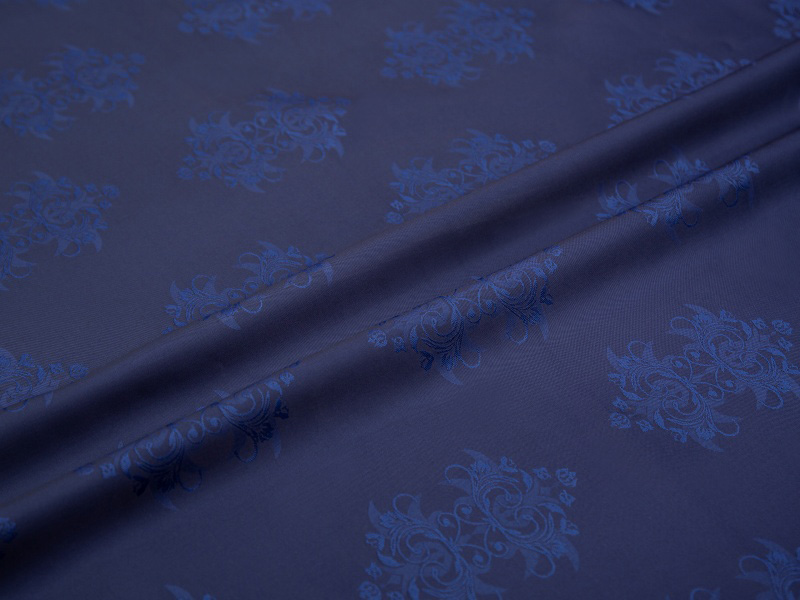
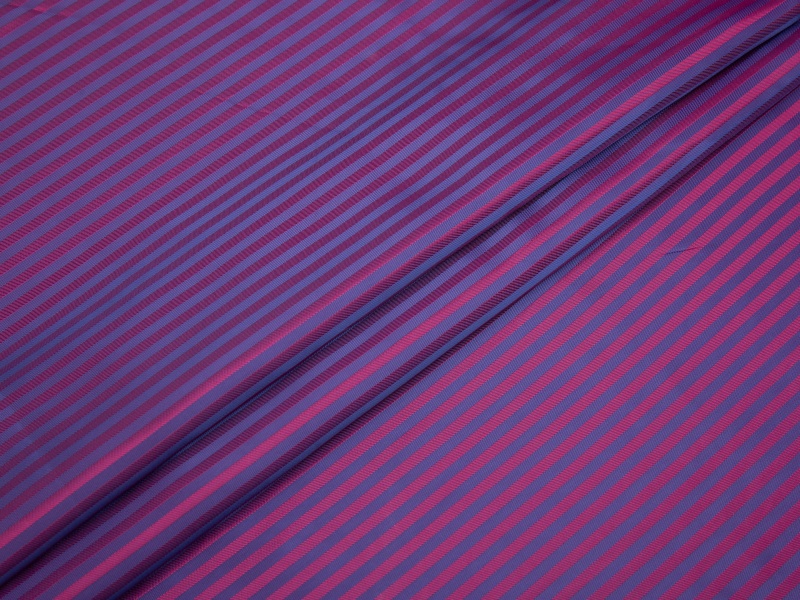
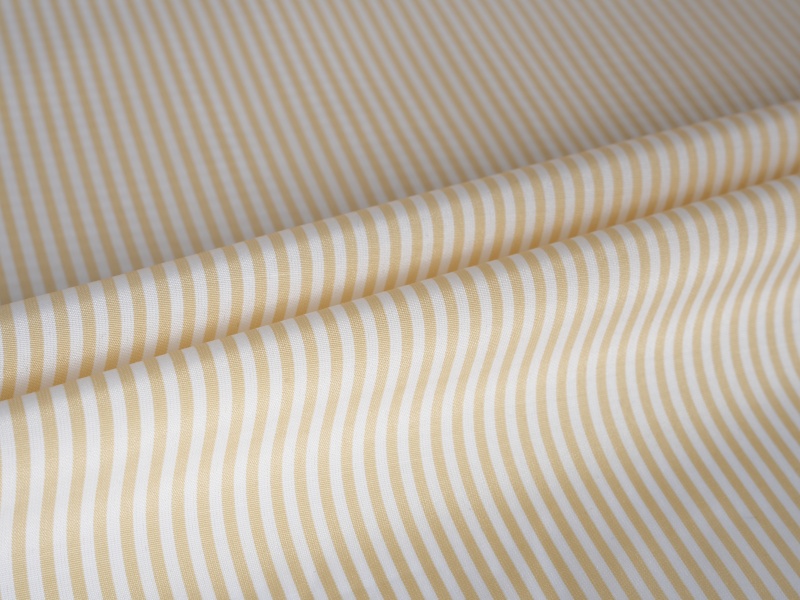
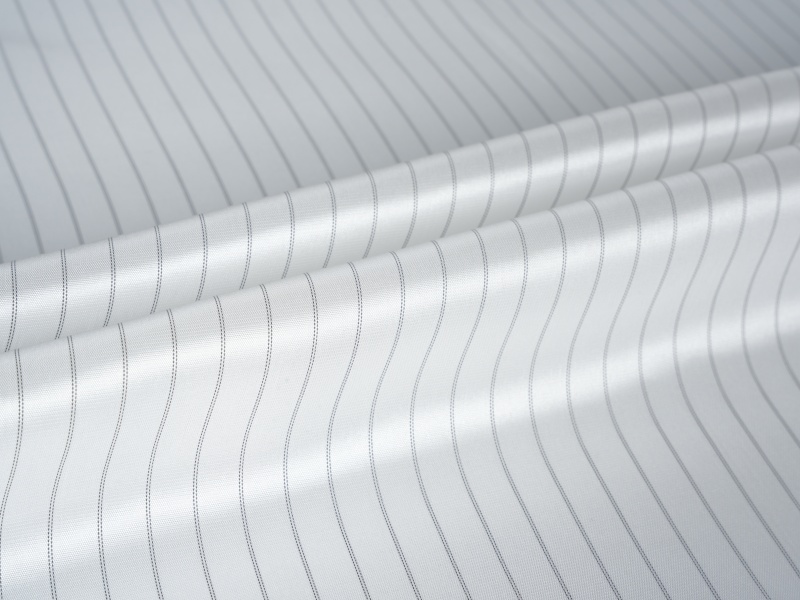
For sleeve linings that feature patterns like stripes, checks, or plaids, yarn-dyeing is the only viable method for achieving crisp, precise designs. The patterns are created by using threads of different colors directly in the weaving process. This results in patterns that are integral to the fabric's structure, not printed on the surface.
Key Distinction: In yarn-dyed fabrics, a stripe or check is a physical part of the weave, while in printed fabrics, the pattern is merely an overlay that can crack, peel, or fade.
When manufacturing high-quality suits and jackets, aligning patterns at the seams—such as at the shoulder or cuff—is a mark of expert tailoring. Yarn-dyed Sleeve Lining Fabric makes this easier to achieve because the pattern is woven in and does not distort during cutting and sewing. The fabric is often offered in a wide variety of standard patterns, with manufacturers reporting collections that include over 170+ stripe options for linings[citation:1]. This allows designers to select precise patterns that complement the outer fabric, whether for a contrasting pop of color or a subtle, tonal accent.
In addition to pattern clarity, yarn-dyed linings used for sleeves often feature anti-static properties. This is a crucial functional benefit, as it prevents the lining from clinging to other garments or the wearer's skin. The yarn-dyed construction also contributes to the fabric's overall drape and hand-feel, making it ideal for the specific demands of a sleeve[citation:1].
The differences between yarn-dyed and piece-dyed processes are foundational to understanding the value proposition of using yarn-dyed fabric for sleeves. The following table outlines the key distinctions across several performance categories.
| Feature | Yarn-Dyed Lining | Piece-Dyed Lining |
|---|---|---|
| Color Penetration | Color is absorbed into the fiber core. | Color sits on the fiber surface. |
| Fade Resistance | High; color remains consistent through wear. | Moderate to low; prone to fading from friction. |
| Pattern Creation | Woven in; patterns are stable and sharp[citation:1]. | Typically limited to solid colors or printed patterns. |
| Visual Texture | Cross-hatched depth, melange effect[citation:5]. | Smoother, more uniform appearance. |
| Typical Application | Premium suits, blazers, and coats. | Cost-conscious, high-volume apparel. |
The sleeve is a uniquely demanding component of a garment. It experiences a wide range of motion, high friction, and close contact with both the outer fabric and the wearer's skin. The choice of lining material directly impacts the garment's comfort, durability, and longevity.
As arms move, the lining is constantly rubbing against the internal seams of the sleeve and the outer fabric. This can cause pilling and loss of color in inferior linings. However, yarn-dyed linings offer a higher level of abrasion resistance. The color is not just a thin topcoat that can be worn away; it is embedded throughout the yarn. This ensures that the lining retains its visual integrity and smoothness longer than piece-dyed alternatives.
There is a practical aspect to the visual contrast often seen in high-end garments. It is common industry practice to use a distinctly colored lining for the sleeves—often a different color than the main body lining. This serves a dual purpose. Firstly, it allows for easy identification of the sleeve during manufacturing and alterations. Secondly, it visually distinguishes the garment. Yarn-dyed Sleeve Lining Fabric is the ideal choice for this application because the vivid, stable color ensures the contrast remains sharp and distinct throughout the garment's lifespan.
While the primary function of a lining is to provide a smooth interior surface, the material's breathability is also crucial for comfort. Natural fibers like linen used in yarn-dyed constructions are known for their moisture-wicking capabilities[citation:8]. The structure of yarn-dyed fabrics, particularly those made from natural fibers, allows for better airflow. This helps regulate temperature, keeping the arm cool and dry even when the wearer is active. The combination of a breathable, durable, and colorfast lining contributes significantly to the overall comfort and premium feel of the garment.
The aesthetic advantages of a Yarn-dyed Sleeve Lining Fabric go beyond simple color. The process creates a unique visual and tactile depth that is difficult to replicate with other dyeing methods.
Because the warp and weft threads are dyed in different colors or shades before weaving, the finished fabric often possesses a subtle, heathered or melange look[citation:5]. This is not a solid, flat color, but a rich, multi-tonal surface where the interplay of dyed threads creates depth and visual interest. For sleeve linings, which are often glimpsed when the wearer moves, this subtle texture adds a layer of sophistication that distinguishes a garment from mass-produced items with solid, unvaried linings.
The way a fabric drapes and feels to the touch is critical for a lining. A stiff or rough lining can restrict movement and cause discomfort. Conversely, a high-quality lining should be smooth and allow the sleeve to move freely. Yarn-dyed linings, particularly those made from fine materials, tend to have a superior drape. The dyeing process can influence the hand-feel of the fabric, and because yarn-dyed options are often associated with higher-quality production, they are typically crafted to have a soft, fluid quality that enhances the garment's comfort.
Investing in a garment with a Yarn-dyed Sleeve Lining Fabric is an investment in its longevity. The inherent durability of the color and structure means the garment will look better, for longer.
One of the most common issues with piece-dyed linings is their tendency to fade after repeated wear and cleaning. Furthermore, in some cases, the dye from a piece-dyed lining can migrate to the outer fabric or lighter-colored garments worn underneath. This is less of a concern with yarn-dyed linings because the dye is fixed within the fiber and is less likely to migrate. The color stability provided by the yarn-dyeing process ensures the garment maintains its intended aesthetic over time, providing better value for the consumer.
Yes, yarn-dyed fabric is generally more expensive due to the additional processing steps required to dye the yarns before weaving. The process is more labor-intensive and time-consuming, but it yields a superior product with better color fastness and durability.
While it can be used in various garments, it is most commonly found in high-quality tailored clothing such as suits, blazers, and formal coats where durability, pattern precision, and a premium aesthetic are valued. It is available in many constructions, including 100% polyester variants, making it versatile[citation:1].
If the fabric has a woven pattern, such as a plaid or stripe, it is almost certainly yarn-dyed, as these patterns are created by weaving different colored threads together. For solid colors, examine the back of the fabric; piece-dyed fabrics often have a lighter or less saturated color on the reverse side compared to the front, while yarn-dyed linings typically have uniform color penetration on both sides.
Shrinkage is more related to the fiber content and finishing process than to the dyeing method. However, high-quality yarn-dyed linings are often pre-washed or finished to minimize shrinkage, ensuring stability during the garment's lifecycle.
Yes, yarn-dyed linen is an excellent choice for sleeve linings in summer garments. It offers exceptional breathability and a natural, textured aesthetic. The yarn-dyed process enhances the linen's natural color depth and ensures it stays vibrant even with exposure to sweat and friction[citation:3].
Copyright © Tongxiang Shunli Textile Technology Co., Ltd. All Rights Reserved.Custom Clothing Lining Fabrics Manufacturers
