


 English
 Español
 Français
ADDRESS
- Zicun, Chongfu Town, Tongxiang City, Zhejiang Province, China.
CONTACT
- Tel: +0086-13857379100
- Fax: +0086-0573-89372132
- Email: [email protected]
 2026-08-24
 Industry news
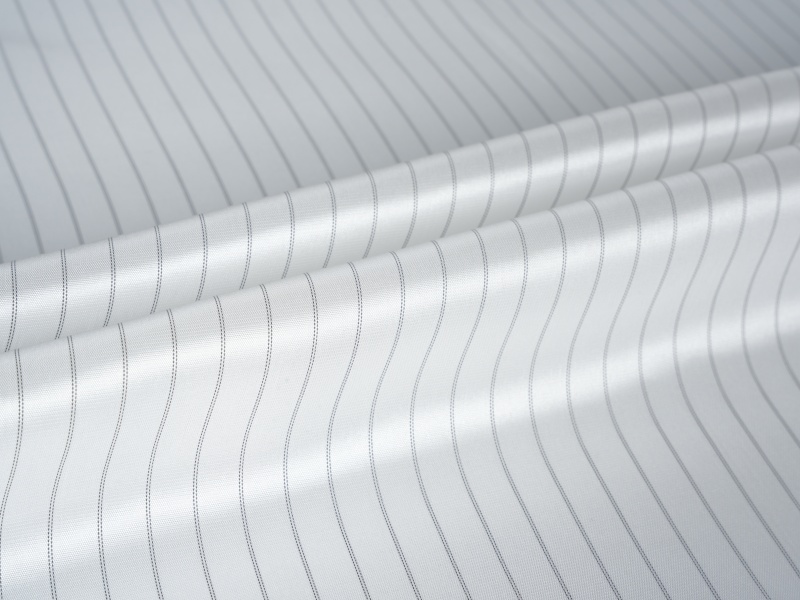
When constructing garments, accessories, or interior textiles, the choice of lining material is a critical decision that affects durability, comfort, and appearance. Among the various options available, Polyester Lining Fabric stands out as a versatile and high-performance solution widely adopted across the fashion, upholstery, and craft industries. This article provides a comprehensive technical examination of what polyester lining fabric is used for, exploring its practical applications, structural benefits, and functional properties.
Polyester lining fabric is a synthetic textile manufactured from polyethylene terephthalate (PET) fibers, engineered specifically to serve as an interior layer in various products. Its primary functions include:
Unlike natural fibers such as silk or cotton, polyester offers distinct advantages including resistance to stretching, shrinking, and staining, along with ease of care and cost-effectiveness [citation:1][citation:3].
The most common use of Polyester Lining Fabric is in clothing manufacturing, where it serves both functional and aesthetic purposes across multiple garment categories.
Polyester lining is extensively used in coats, jackets, and parkas to provide an additional thermal barrier. Its lightweight nature ensures warmth without adding excessive bulk, while its smooth surface allows the outer shell to drape properly and prevents the garment from clinging to underlayers [citation:1]. Quilted or padded polyester linings are particularly valued in winter coats and padded jackets for their insulation properties [citation:2].
In tailored garments, polyester lining plays a crucial role in maintaining silhouette and reducing wear on the outer fabric. It allows the jacket to slide easily over shirts or blouses, minimizing friction and preserving the garment's structure. The fabric's durability ensures that high-stress areas such as armholes and shoulder seams remain intact over time [citation:1].
For dresses and skirts, polyester lining adds opacity to sheer outer fabrics and helps the garment hold its shape. It also reduces static cling, ensuring a smooth, flattering fit. Users frequently report that polyester lining adds stability to dresses while remaining comfortable against the skin [citation:3].
In lighter garments, polyester interlinings (closely related to linings) are used to stabilize collars, cuffs, and plackets. These small-part reinforcements improve shape retention and provide a crisp, professional appearance [citation:4].
Understanding the material properties of Polyester Lining Fabric is essential for selecting the appropriate weight and finish for a given project. The following table summarizes key performance characteristics.
| Property | Performance Characteristic | Benefit to End-User |
|---|---|---|
| Durability | High tensile strength; abrasion-resistant | Longer garment lifespan; withstands repeated wear |
| Moisture Management | Low moisture absorption; quick-drying | Comfort during active use; resists mildew |
| Dimensional Stability | Resistant to stretching and shrinking | Maintains fit and shape after washing |
| Chemical Resistance | Resists acids and many solvents | Suitable for various cleaning methods |
| Weight Range | 20 to 150 g/m² (interlinings); linings vary | Options for light to heavy-duty applications |
Polyester linings are available in woven, knitted, and non-woven constructions, each offering different levels of stretch, drape, and hand-feel to suit specific garment types [citation:4].
While garments represent the primary market for polyester lining, its utility extends into several other domains where durability, ease of maintenance, and cost-effectiveness are valued.
Polyester lining is widely used in handbags, backpacks, and luggage to provide internal structure and protect contents from abrasion. Its lightweight, durable nature makes it ideal for items that undergo frequent handling and weight-bearing stress [citation:2].
Curtains, cushion covers, and upholstered furniture often incorporate polyester lining to improve draping, add opacity, and protect decorative outer fabrics from dust and sunlight degradation. Its easy-care properties are particularly beneficial in household applications where regular cleaning is necessary [citation:1].
In specialized sectors, polyester fabrics serve as lining supports for painting conservation, where their low stretch, good elastic recovery, and lightness help stabilize aged canvases [citation:6]. Additionally, medical garments and kitchen clothing occasionally utilize polyester linings for their hygienic, easy-to-sanitize surfaces [citation:1].
Selecting the appropriate Polyester Lining Fabric requires consideration of the end-use requirements. The following guidelines provide a practical framework.
To maximize the lifespan of polyester-lined products, proper care is essential. Manufacturers generally recommend the following guidelines [citation:3]:
Following these practices ensures that the lining retains its smooth texture, dimensional stability, and color fastness over time.
When deciding on a lining material, understanding how polyester compares to other options helps inform the selection process. The following table highlights key differentiators.
| Criteria | Polyester Lining | Silk Lining | Rayon/Viscose Lining |
|---|---|---|---|
| Cost | Low to moderate | High | Moderate |
| Durability | High (resists wear) | Moderate | Low (prone to tearing) |
| Care Ease | Easy (machine washable) | Delicate (dry clean often) | Moderate (may shrink) |
| Moisture Absorption | Low (quick drying) | Moderate | High (slow drying) |
| Drape and Hand | Varies (can mimic natural) | Excellent (fluid) | Good (soft) |
This comparison demonstrates that while natural fibers may offer superior hand-feel in certain applications, polyester provides a balanced combination of performance, cost, and convenience that makes it suitable for a wide range of uses [citation:1].
Polyester lining is highly versatile and can be used in most garment types, from lightweight blouses to heavy winter coats. However, for ultra-luxury garments where breathability and natural fiber properties are paramount, designers may prefer silk or cotton linings. Polyester excels in durability, ease of care, and cost-effectiveness, making it the practical choice for everyday and performance wear [citation:1].
Polyester has lower moisture absorption compared to natural fibers, which means it does not wick moisture away from the body as effectively. However, modern textile engineering has produced microfiber and knitted polyester linings that offer improved breathability. For activewear or summer garments, selecting a lightweight, open-construction polyester lining can mitigate this limitation [citation:4].
Yes. Polyester's resistance to moisture, UV degradation, and abrasion makes it an excellent choice for outdoor apparel, backpacks, and sportswear. Quilted polyester linings are particularly popular in insulated jackets and sleeping bags. Its lightweight nature also reduces overall pack weight, a critical factor for outdoor equipment [citation:2].
Polyester linings and interlinings are available in a wide weight range, typically from 20 g/m² for ultra-lightweight applications to over 150 g/m² for heavy-duty insulation and structural reinforcement. Woven, knitted, and non-woven constructions each offer different weight options to suit specific end-uses [citation:4].
High-quality polyester lining is engineered to resist shrinking and stretching. When cared for according to manufacturer guidelines (washing in warm or cold water and tumble drying on low heat), dimensional stability is maintained. However, exposure to high heat can cause irreversible damage, so care instructions should always be followed [citation:3].
Polyester is a synthetic polymer derived from petrochemicals. However, recycled polyester (rPET) options are increasingly available, manufactured from post-consumer plastic bottles and other waste streams. These recycled versions offer the same performance characteristics as virgin polyester while reducing environmental impact. Some suppliers offer GRS-certified recycled polyester linings [citation:4].
Absolutely. Polyester lining is frequently used in handbags, tote bags, and backpacks. It provides internal structure, protects the outer fabric from wear, and offers resistance to moisture and stains. Its durability and ease of cleaning make it particularly suitable for everyday bags [citation:2].
Copyright © Tongxiang Shunli Textile Technology Co., Ltd. All Rights Reserved.Custom Clothing Lining Fabrics Manufacturers
