


 English
 Español
 Français
ADDRESS
- Zicun, Chongfu Town, Tongxiang City, Zhejiang Province, China.
CONTACT
- Tel: +0086-13857379100
- Fax: +0086-0573-89372132
- Email: [email protected]
 2026-02-11
 Industry news
When investing in a quality suit, much attention is rightfully paid to the exterior wool, the cut, and the tailoring. However, an often-overlooked yet critical component lies within: the suit lining fabrics. This inner layer is far more than just decorative; it is the functional heart of the garment, directly impacting comfort, durability, silhouette, and overall wearability. Choosing the right lining is a nuanced decision that balances aesthetics with practical performance. This guide delves into the key factors you must consider, from material composition and breathability to durability and aesthetic details, empowering you to make an informed choice that ensures your suit looks impeccable and feels exceptional with every wear. Understanding these elements is crucial, whether you're selecting a lining for a new bespoke commission or seeking to understand the quality of an existing garment.
The primary material of your suit lining dictates its fundamental behavior against your skin and in various climates. Breathability is paramount; a lining that traps heat and moisture can turn a professional meeting into an uncomfortable ordeal. Natural fibers like cupro (cuprammonium rayon) or Bemberg are highly prized in quality tailoring. Derived from cellulose, cupro offers a remarkably smooth, silk-like hand feel, excellent moisture-wicking properties, and superior breathability. It allows air to circulate, helping to regulate body temperature. Synthetic options like polyester, while durable and cost-effective, often lack this breathability, potentially leading to a clammy feel. For optimal comfort in business or formal wear, prioritizing natural or semi-synthetic breathable linings is a key consideration that enhances the daily experience of wearing the suit.
| Material | Breathability | Key Characteristic | Best For |
| Cupro/Bemberg | Excellent | Moisture-wicking, Silky Feel | All-season business/formal wear |
| Viscose | Good | Good Drape, Value | Everyday office suits |
| Polyester | Poor to Fair | High Durability, Low Cost | Budget-conscious or infrequently worn suits |
| Silk | Good | Ultimate Luxury & Sheen | Special occasion formalwear |
| Cotton | Excellent | Natural, Matte Finish | Summer, unstructured, or casual suits |
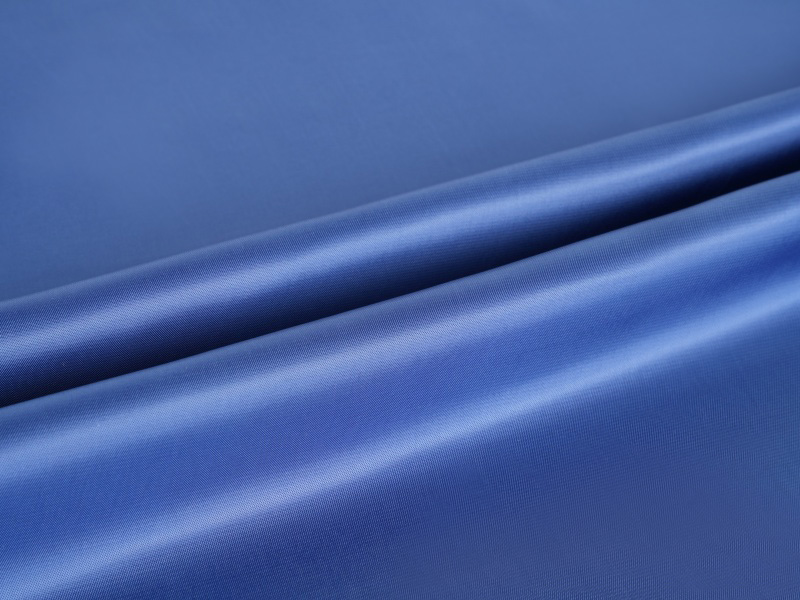
A lining endures significant stress from movement, rubbing against shirts, and repeated dressing. Therefore, assessing its durability and resistance to friction is essential for the suit's lifespan. The weave and fiber strength play crucial roles. A tightly woven twill or satin weave in a cupro or polyester lining will generally withstand wear better than a loose plain weave. The question of why suit lining fabric is important for suit longevity finds its answer here. A weak lining that tears or pills can compromise the jacket's internal structure and drape, leading to costly repairs. Furthermore, the lining in high-friction areas like the armholes and shoulders must be exceptionally robust. When examining a suit, gently tugging the lining fabric can give a sense of its tensile strength. A quality lining acts as a protective shield for the suit's outer shell, ensuring the garment maintains its shape and integrity for years.
The lining significantly influences how a suit jacket moves and conforms to your body—its drape. The weight and stiffness of the lining fabric must complement the weight of the outer fabric. A heavy wool suit requires a lining with enough body to support it without adding bulk, while a lightweight linen or tropical wool suit needs a similarly lightweight, fluid lining to preserve its easy drape. This interplay is a critical factor in how to choose suit lining for different seasons. For summer suits, a featherweight cupro or viscose lining enhances breathability and free movement. For winter suits, a slightly heavier lining can add a minuscule layer of insulation without sacrificing comfort. An ill-matched lining can make a jacket feel stiff, boxy, or cause it to pull awkwardly, undermining the tailor's craft and the wearer's silhouette.
| Suit Type / Season | Recommended Lining Weight | Recommended Lining Material | Drape Effect |
| Heavy Winter Wool | Medium | Cupro, Viscose Twill | Provides support without stiffness |
| Lightweight Summer (Linen, Tropical Wool) | Lightweight | Featherweight Cupro, Viscose | Preserves fluidity and breathability |
| Three-Season Business Suit (Mid-weight Wool) | Medium | Standard Cupro/Bemberg | Offers balance of structure and ease |
| Unstructured Blazer/Sport Coat | Lightweight or None | Cupro, Cotton, or Half-Lined | Maximizes soft, casual drape |
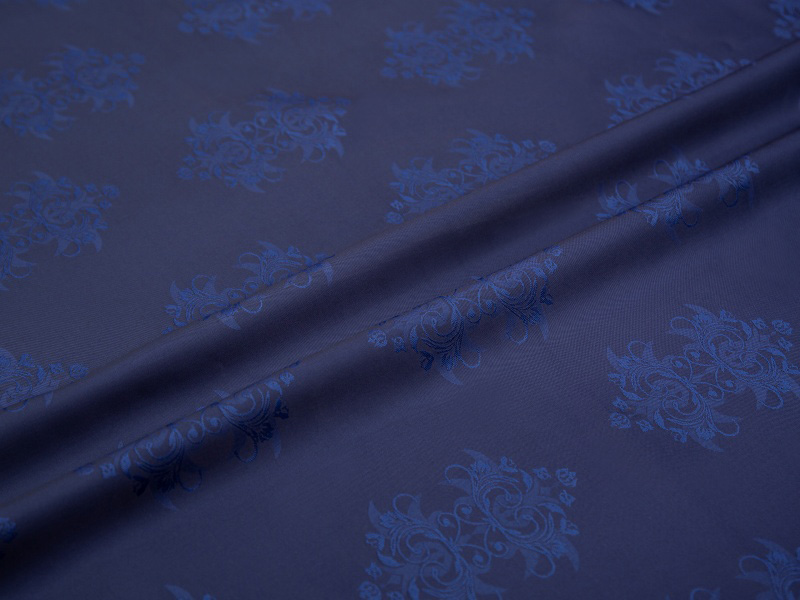
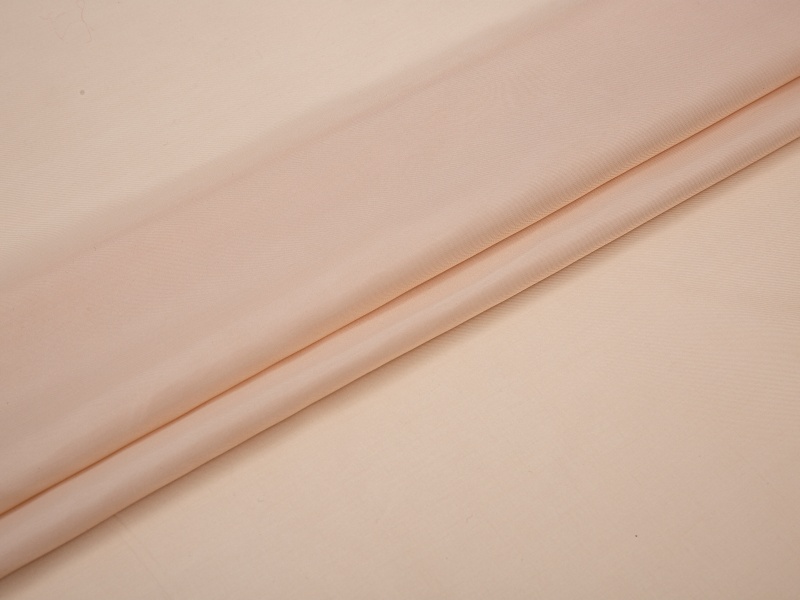
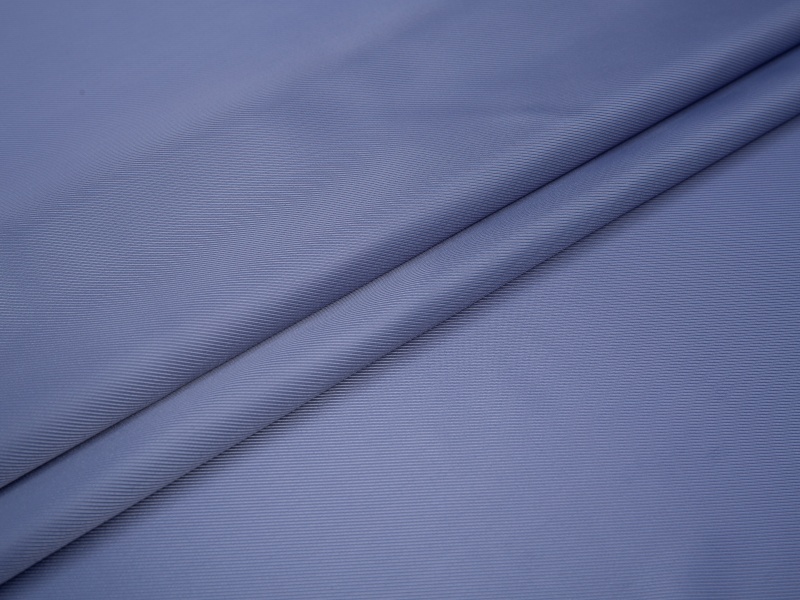
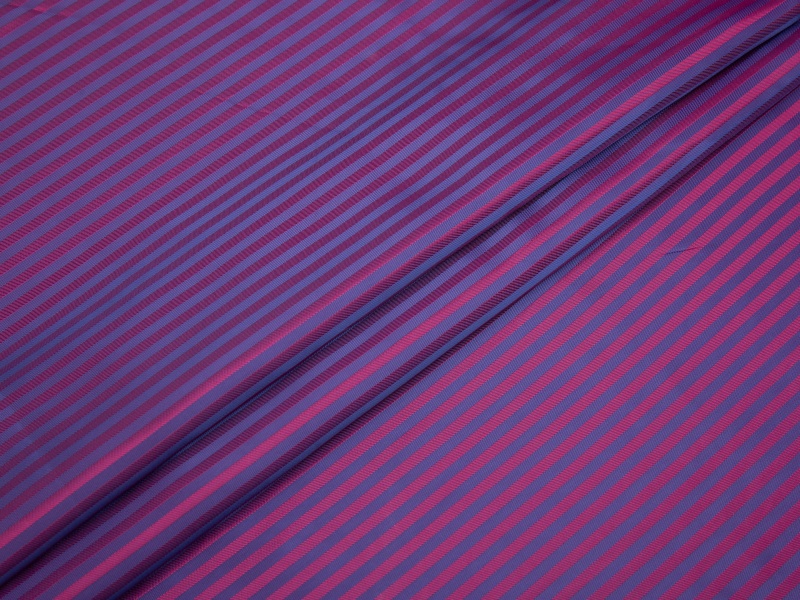
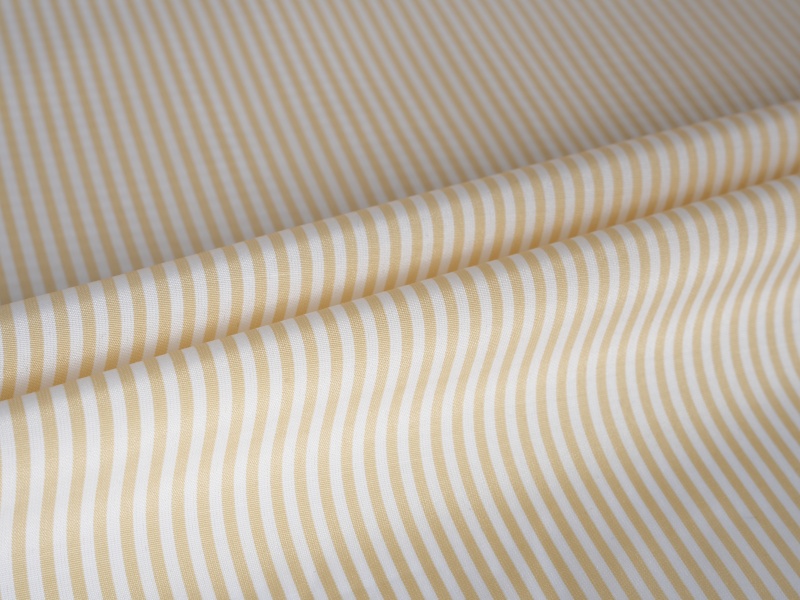
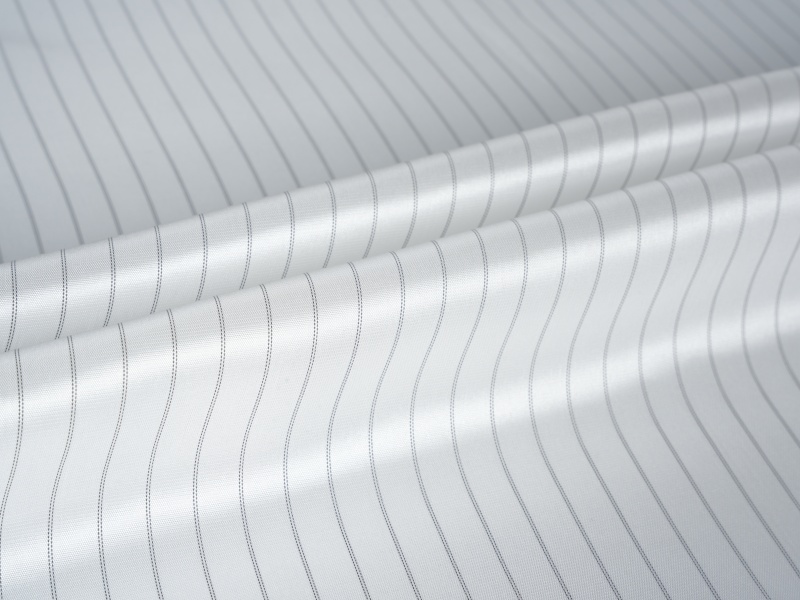
While functional, the lining is also a canvas for personal expression and a marker of quality. The choice of color and pattern, while often hidden, can bring a private joy and reflect personal style. Beyond solid colors, patterns like stripes, paisleys, or geometric prints add a touch of individuality. This touches on the curiosity about custom suit lining fabric options available in bespoke tailoring. In made-to-measure and bespoke services, selecting the lining is a key personalization step. Furthermore, the finishing and construction of suit lining are critical aesthetic *and* functional details. Look for neat, even stitching, well-finished seams (often with a technique called "bagging" for a clean interior), and patterns that are carefully matched at the center back and sleeves. A beautifully finished lining is the hallmark of a well-made garment.
Modern suiting also addresses specific wearer needs and values. For those with sensitive skin, the choice of lining is a primary comfort concern. This makes understanding the benefits of Bemberg lining for sensitive skin highly relevant. Bemberg cupro is derived from cotton linter, a natural material, and is processed to be exceptionally smooth and hypoallergenic, reducing the potential for irritation. It is also less prone to static buildup than pure synthetics. Additionally, the growing demand for sustainable fashion extends to linings. Eco-conscious consumers now seek sustainable and breathable suit lining materials. Options include linings made from recycled polyester (rPET), Tencel™ (lyocell), or certified organic cotton. These materials aim to reduce environmental impact while maintaining, or even enhancing, performance characteristics like breathability and comfort.
For hot and humid climates, the best suit lining fabric prioritizes maximum breathability and moisture-wicking. Cupro (Bemberg) is widely regarded as the top choice. Its micro-porous structure allows for excellent air circulation and effectively draws moisture away from the body, keeping you cooler and drier. For the ultimate in coolness, consider a suit that is half-lined or quarter-lined (with only the shoulders and upper back lined), or even fully unlined, which is a hallmark of many premium suit lining fabrics designed for summer. Lightweight viscose is also a good, more budget-friendly option. Avoid standard polyester linings, as they trap heat and moisture.
Polyester lining is not inherently "bad," but it represents a specific trade-off. Its advantages are significant: it is extremely durable, resistant to wrinkles and shrinkage, and very affordable. This makes it a common choice for entry-level or infrequently worn suits. However, its main drawback is its often poor breathability compared to natural or semi-synthetic alternatives like cupro or viscose. This can lead to a less comfortable, sometimes clammy feel during extended wear, especially in warm environments. Therefore, while not bad, it is a lower-comfort option. The finishing and construction of suit lining also matters—a well-constructed polyester lining in a decent suit is better than a poorly constructed one in any material.
Bemberg™ is a brand name for high-quality cupro (cuprammonium rayon) lining fabric produced by the Japanese company Asahi Kasei. It has become a generic term for premium cupro linings due to its outstanding properties. It is highly recommended because it masterfully balances key factors: it is breathable and moisture-wicking like a natural fiber, has a luxuriously smooth and cool hand feel that reduces friction, and offers excellent durability and color vibrancy. Its production process results in fine, filament yarns that are naturally beneficial for sensitive skin and resist pilling. For these reasons, it is considered the benchmark for quality in suit linings.
Absolutely. Customization of the lining is a central feature of made-to-measure and bespoke suit services, offering a wide array of custom suit lining fabric options. This allows you to select not only the material (e.g., Bemberg, silk, etc.) but also the color and pattern—from classic solids to bold stripes, paisleys, or even novelty prints. Some tailors also offer monogramming inside the lining. Even with some off-the-rack suits from higher-end brands, you may find interesting patterned linings as a signature detail. Choosing a personalized lining is a fantastic way to inject individuality into your garment.
Assessing suit lining fabric quality involves both visual and tactile inspection. First, check the material label; Cupro/Bemberg is a strong indicator. Feel the fabric: it should be smooth, soft, and substantial, not papery or rough. Examine the construction: patterns should be matched at the center back seam and sleeves; stitching should be even and tight without loose threads; and there should be reinforcements (like a kick patch) at the bottom inner hem. Gently pull the fabric to test its strength—it should feel robust, not flimsy. Finally, consider how it feels when you wear the jacket; it should allow the jacket to move with you smoothly, demonstrating why suit lining fabric is important for suit longevity and comfort.
Copyright © Tongxiang Shunli Textile Technology Co., Ltd. All Rights Reserved.Custom Clothing Lining Fabrics Manufacturers
