


 English
 Español
 Français
ADDRESS
- Zicun, Chongfu Town, Tongxiang City, Zhejiang Province, China.
CONTACT
- Tel: +0086-13857379100
- Fax: +0086-0573-89372132
- Email: [email protected]
 2026-05-19
 Industry news
Lining is an inner layer of fabric sewn into a garment — between the outer shell and the wearer's skin — that is largely invisible when the item is worn. It serves as the hidden architecture of a well-made piece of clothing, finishing raw seams, adding structure, and improving comfort and drape simultaneously.
In practical terms, lining material is cut to mirror the shape of the outer garment, then attached at the edges — necklines, hems, armholes, zip openings — so the two layers move together as one. The result is a garment that slides on and off smoothly, holds its silhouette throughout the day, and feels considerably more refined against the skin than an unlined equivalent.
Lining is not the same as interlining (a structural layer fused or sewn between the outer fabric and the lining for stiffness) or underlining (a layer basted directly to the fashion fabric before construction). Each serves a distinct function, though all three are sometimes used together in high-end tailoring.
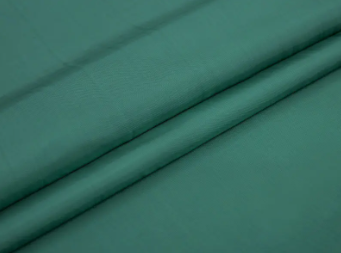
A well-chosen lining fabric does far more than cover seam allowances. Its contributions to a finished garment include:
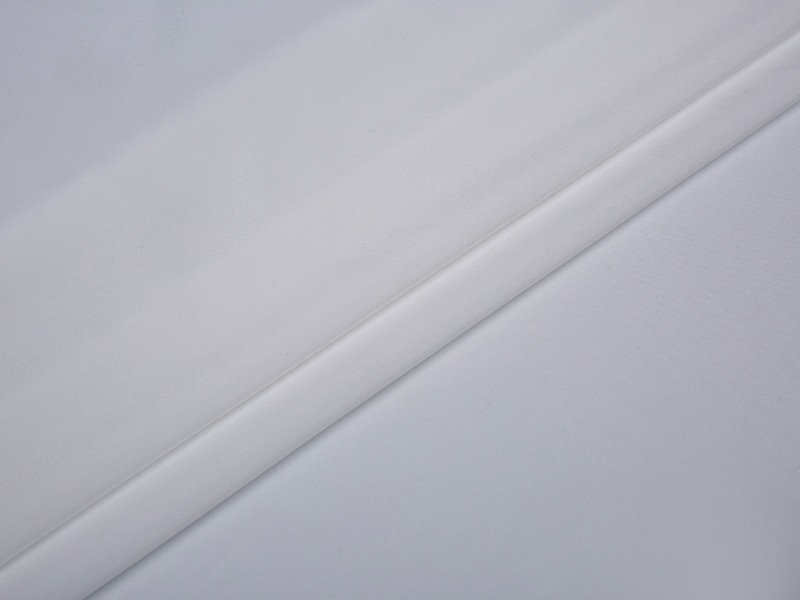
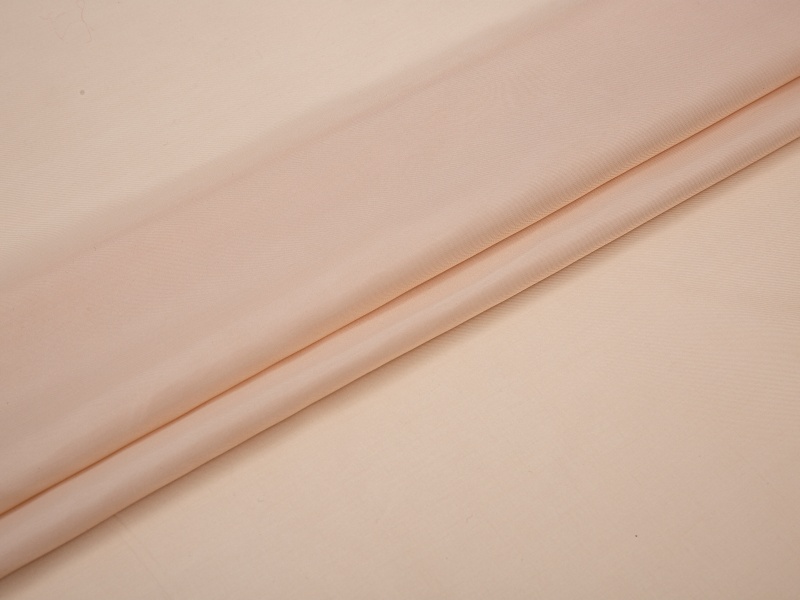
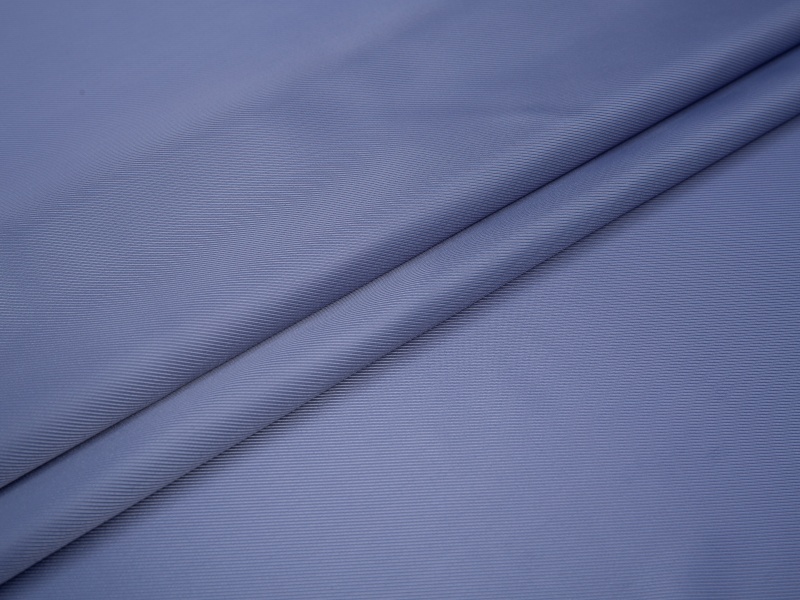
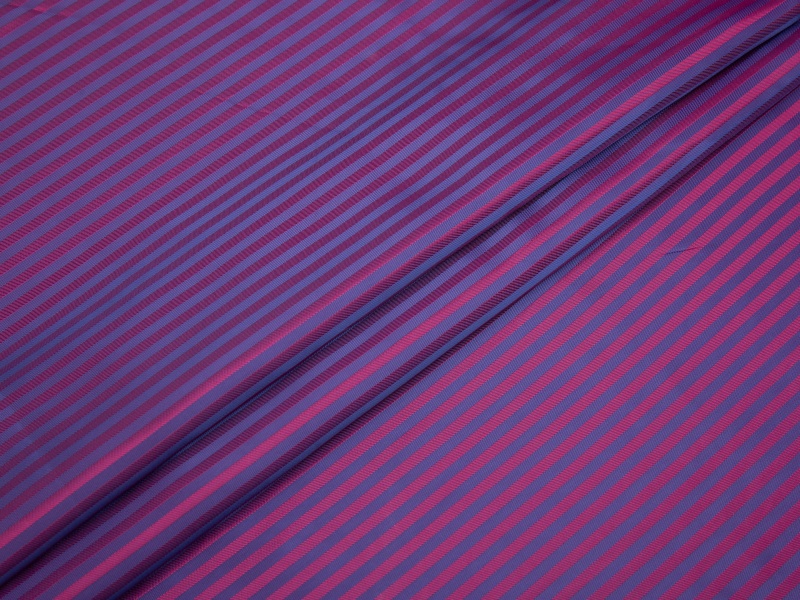
Choosing the right clothing lining material depends on the outer fabric's weight, the garment's end use, and the desired hand feel. The most widely used lining fabrics fall into these categories:
Widely regarded as the best lining fabric for tailored garments, Bemberg is a regenerated cellulose fiber spun from cotton linter. It drapes beautifully, breathes almost as well as natural silk, wicks moisture efficiently, and causes virtually no static cling. Bemberg is the standard lining in premium suits, sport coats, and luxury outerwear. Its silky surface provides excellent ease of movement without the cost of genuine silk.
Silk lining — typically charmeuse or habotai weaves — is the traditional choice in couture and high-end ready-to-wear. It is exceptionally lightweight, temperature-regulating, and luxurious against the skin. The trade-offs are cost and care: silk linings require gentle handling, are prone to water spotting, and add significantly to the garment's price. Silk charmeuse is especially popular for evening wear and bridal garments where weight and drape are critical.
The most common lining material in mass-market garments, polyester satin combines a smooth, lustrous surface with low cost and easy care. It is durable, colorfast, and widely available in a full spectrum of colors. The main disadvantages are breathability and moisture management — polyester traps heat and does not wick perspiration, making it less comfortable in warm conditions or active wear. Best suited to outerwear, occasional-use garments, and structured pieces where thermal comfort is less critical.
Viscose lining fabric offers a good balance between natural-fiber breathability and synthetic-fiber affordability. It drapes softly, absorbs moisture, and feels comfortable next to skin — making it a popular choice for dress linings, blouse backs, and lightweight summer garments. Viscose does wrinkle more readily than polyester and requires careful pressing, but its comfort-to-cost ratio makes it a widely used garment lining fabric in mid-market apparel.
Acetate lining has a subtle sheen similar to silk and drapes fluidly, making it a traditional choice in women's formalwear, cocktail dresses, and bridal gowns. It is moderately breathable and comfortable in cool-to-mild conditions. Acetate is sensitive to acetone-based solvents (found in some dry-cleaning products and nail polish removers) and can deteriorate if exposed to high heat, so care instructions must be followed closely.
Cotton lining — often in lawn, batiste, or muslin weaves — is the preferred choice for children's clothing, warm-weather garments, and items worn directly against sensitive skin. It is hypoallergenic, highly breathable, and easy to launder. Cotton lining does not have the slippery surface that aids dressing ease in outerwear, so it is less common in tailored coats and jackets. It remains a good lining fabric for casual unstructured garments where breathability outweighs slip.
Polar fleece, sherpa, and quilted thermal linings add insulation to outerwear, bringing both warmth and a finished interior. These are standard in winter coats, ski jackets, and work wear where comfort in cold conditions is the primary requirement. Quilted linings — a thin batting layer sandwiched between two fabric faces — provide warmth without the bulk of a separate interlining.
| Lining Fabric | Breathability | Drape | Cost | Best For |
|---|---|---|---|---|
| Bemberg (Cupro) | Excellent | Excellent | Medium–High | Suits, tailored coats |
| Silk | Excellent | Excellent | High | Couture, bridal, evening wear |
| Polyester Satin | Poor | Good | Low | Outerwear, structured garments |
| Viscose (Rayon) | Good | Very Good | Low–Medium | Dresses, blouses, summer wear |
| Acetate | Moderate | Very Good | Medium | Formalwear, bridal |
| Cotton | Excellent | Moderate | Low–Medium | Children's wear, casual garments |
| Fleece / Thermal | Moderate | Low | Low–Medium | Winter coats, workwear |
There is no single best lining fabric — the right choice is always determined by the outer fabric, the garment's construction, and how and where it will be worn. A few guiding principles simplify the decision:
Different garment categories call for distinct lining approaches:
A fully lined suit jacket has lining sewn into the body, sleeves, and sometimes the undercollar facing. Bemberg is the industry benchmark for quality; polyester satin is the economy alternative. Some contemporary slim-fit suits use a half-lining (lining only in the upper back and sleeves) to reduce weight and allow more freedom of movement.
A lining prevents structured skirts from clinging to hosiery and stops trousers from bagging at the knee over time. Lightweight viscose or Bemberg is ideal; heavier fabrics add unnecessary stiffness. Skirt linings are typically cut 1–2 cm shorter than the hem to remain hidden.
Evening gowns and formal dresses often use silk charmeuse or acetate for their subtle sheen and fluid drape. Structured cocktail dresses may incorporate a separate boned or interfaced bodice beneath the outer fabric — effectively a built-in underlining — for shape without external seams.
Outerwear lining serves double duty: it aids dressing ease (especially over bulky knitwear) and, in winter coats, contributes to insulation. Quilted linings or detachable fleece liners are common in performance outerwear, while classic wool overcoats retain Bemberg or polyester satin for their tailored interior.
Copyright © Tongxiang Shunli Textile Technology Co., Ltd. All Rights Reserved.Custom Clothing Lining Fabrics Manufacturers
