


 English
 Español
 Français
ADDRESS
- Zicun, Chongfu Town, Tongxiang City, Zhejiang Province, China.
CONTACT
- Tel: +0086-13857379100
- Fax: +0086-0573-89372132
- Email: [email protected]
 2025-12-05
 Industry news
In the world of bespoke tailoring and high-end ready-to-wear, the interior of a garment is often considered the silent canvas—the ultimate space for subtle yet profound self-expression. Historically, linings served a purely functional purpose: to conceal seams, provide comfort, and help the garment glide smoothly over the body. However, a significant shift is underway, transforming the humble lining into a focal point of design. Today, Printed Lining Cloth Fabrics are no longer merely functional; they are a decisive fashion statement, a personalized signature that adds depth, narrative, and an element of surprise to jackets, coats, and suits. This movement elevates the garment's narrative, suggesting that true luxury lies in the details that are often unseen but always felt. Choosing the right printed lining allows designers and wearers alike to inject personality and unique aesthetic into their creations, moving beyond the standard solid-color satin to embrace vibrant patterns, intricate graphics, and subtle texture plays.
The rise of high-quality digital printing technology has democratized luxury, making it feasible for independent designers and even individuals to create truly unique textiles. Custom Printed Lining Cloth Fabrics represent a paradigm shift in garment construction, transitioning the lining from a necessity to an opportunity for profound creative input. This ability to personalize the innermost layer of clothing resonates deeply with contemporary consumer desires for authenticity and individuality. When a wearer opens their coat or removes their jacket, the flash of a unique, custom-designed lining offers an exclusive reveal—a moment of personal style that elevates the entire ensemble. Furthermore, from a brand perspective, this customization capability allows for the integration of unique storytelling elements or subtle branding cues that distinguish a garment in an increasingly competitive market.
The modern garment interior is defined by an intricate balance of practicality and aesthetic allure. It’s a space where the feel of the fabric against the skin is as critical as the visual impact upon reveal. The use of vibrant, high-definition Printed Lining Cloth Fabrics directly challenges the traditional notion that linings must be neutral and subdued. Designers are now treating the lining as an essential, integral part of the overall design, ensuring that it complements or deliberately contrasts with the outer shell fabric. This approach allows for a sophisticated layering of textures and narratives. Moreover, the selection of the substrate material, whether it be a smooth polyester, breathable viscose, or luxurious silk, must align with the outer fabric's drape and the garment’s intended use, underscoring the necessity of technical textile knowledge in achieving a flawless final product.
The move beyond mere function into the realm of aesthetics and personalization is what sets contemporary linings apart. It's an affirmation that luxury is in the details. A bold, personalized print serves as an artistic signature. The visual language of the lining can dramatically alter the perception of the garment's outer fabric. A traditionally austere navy blue coat, for instance, gains a modern, playful edge with an abstract, colorful printed lining. This personalization extends the garment's lifespan by maintaining its relevance and emotional value to the owner, transcending fleeting trends.
The niche market for customized textiles has seen explosive growth, driven by brands seeking to establish a memorable and proprietary identity. For a high-end fashion house or a specialized tailoring service, a unique lining is a non-verbal guarantor of authenticity. The investment in creating a proprietary printed textile signals quality and attention to detail. This strategy is highly effective in differentiating products in the luxury sector, where consumers often seek unique, limited-edition items. It transforms an element of construction into a core feature of brand narrative.
The application of wholesale custom logo lining fabric has become a strategic branding tool across multiple sectors, from corporate uniforms and private label menswear to high-volume fashion lines. Incorporating a subtle or repeating logo, crest, or brand motif into the lining adds a layer of exclusivity and quality control. For brands, this ensures internal visibility and consistency, while for the wearer, it provides an undeniable mark of the garment's origin. The process involves technical considerations, such as ensuring the logo’s repeat size is appropriate for the fabric width and that the ink or dye is durable and colorfast for the garment's expected lifetime. This sophisticated approach to branding moves beyond external labels, placing the brand identity at the garment's core.
| Target Sector | Primary Goal of Printed Lining | Design Example |
| Bespoke Tailoring | Client Personalization/Exclusivity | Monogram or Family Crest Print |
| High-End Outerwear | Brand Storytelling/Signature Look | Abstract Art or City Map Design |
| Corporate Uniforms | Internal Branding/Professional Consistency | Subtle, Repeat Company Logo |
The choice of substrate for the printed design is paramount, particularly when crafting a garment of lasting quality, such as a suit or a classic coat. When considering a premium inner layer, materials such as silk, Cupro (Bemberg), and high-quality viscose are highly favored for their natural drape, luxurious hand-feel, and breathability. Designer Printed Silk Lining for Suits epitomizes this luxury; silk not only provides a satiny smoothness that allows the suit jacket to slip effortlessly over a dress shirt but also offers natural temperature regulation, a critical feature for a structured garment. Furthermore, silk’s natural sheen beautifully captures the depth and vibrancy of intricate printed designs, making it the top choice for haute couture and elite menswear. However, the decision is a careful balance of luxury, maintenance, and the garment’s use case, as synthetic counterparts often offer superior durability and simplified care instructions, making the final choice a highly technical and aesthetic consideration.
Natural fibers have long represented the pinnacle of luxury lining materials. Silk, in particular, has been the traditional choice for high-end suiting and formal wear due to its inherent qualities—exceptional softness, strength, and the ability to breathe. Designer Printed Silk Lining for Suits enhances these characteristics by adding a visual layer of artistry. For those seeking a natural feel with less demanding care requirements, alternatives like Cupro, often referred to as "vegan silk" or Bemberg, offer a viable, luxurious option. Cupro is derived from cotton linter, providing excellent breathability and a silky feel while often being more resistant to static cling than conventional synthetics. When selecting a natural fiber, it is crucial to consider the dye process; high-quality printing on these fibers requires specialized pre-treatment to ensure the longevity and fidelity of the print against the natural variations of the material. This commitment to both material quality and advanced printing techniques is what truly defines a premium lining fabric.
The choice between natural and high-grade synthetic linings often comes down to a trade-off between luxury feel and practicality. While silk offers the ultimate in breathability and hand-feel, modern synthetic fibers like high-denier polyester can mimic silk's smoothness while offering superior wrinkle and snag resistance, and significantly reduced cost. This comparison is critical for designers working within budget or specific performance requirements.
| Feature | Designer Printed Silk Lining | High-Grade Printed Polyester |
| Breathability | Excellent (Natural thermoregulation) | Fair (Less air permeability) |
| Hand-Feel | Luxurious, soft, smooth (Charmeuse/Twill) | Smooth, but may feel synthetic |
| Care | Dry Clean Recommended | Machine Washable, Highly Durable |
| Cost | High | Low to Moderate |
As the fashion industry pivots towards greater environmental accountability, the demand for sustainable textile options has surged. Eco-friendly printed viscose lining has emerged as a compelling solution for the conscious consumer and brand. Viscose, a semi-synthetic fiber derived from regenerated cellulose (wood pulp), when sourced from certified sustainable forests and processed using closed-loop systems (like Tencel™ or Lenzing Ecovero™), offers a significantly reduced environmental footprint compared to conventional rayon or standard polyester. This type of lining provides the desired qualities of a smooth, breathable, and drapable inner layer while adhering to strict environmental and social standards. The appeal is twofold: it offers a beautiful canvas for complex, high-definition prints, and it aligns the finished garment with a powerful narrative of sustainability and ethical sourcing. This alignment is increasingly becoming a non-negotiable factor for luxury and contemporary brands targeting environmentally aware markets.
The "eco-friendly" label in viscose is dependent on the manufacturing process. Conventional viscose production uses harsh chemicals that can pollute local ecosystems. The shift to modern, certified processes addresses these concerns directly. Choosing materials like eco-friendly printed viscose lining actively supports the development of greener textile technology.
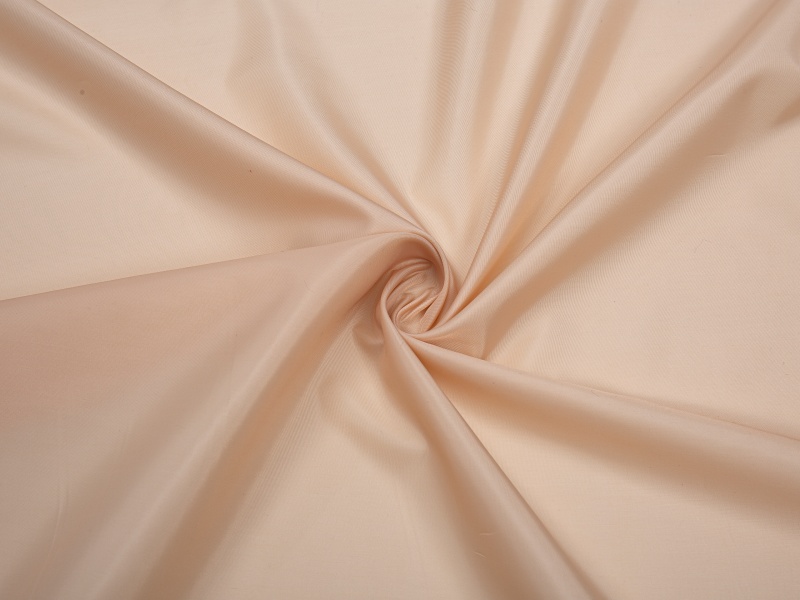
The selection of Printed Lining Cloth Fabrics must always be guided by the functional requirements of the outer garment. A lining for a tailored suit, for example, needs to be smooth and minimally frictional, while the lining for a heavy winter coat must prioritize insulation and durability. The print itself must be durable enough to withstand the friction of daily wear and repeated dry cleaning or washing cycles without fading or cracking. For specialized garments like water-resistant jackets, the lining may also need moisture-wicking properties to manage internal condensation. Therefore, a successful lining choice requires a precise understanding of textile science, balancing the aesthetic desire for a striking print with the technical necessity of a functional, long-lasting inner layer that complements the outer fabric’s performance.
For structured garments such as blazers, bomber jackets, and overcoats, the lining plays a crucial role in maintaining the silhouette and providing structural integrity. The selection of custom printed jacket lining fabric is highly technical and depends on the jacket's style. For a soft, unstructured blazer, a lightweight, free-hanging lining in a smooth weave like charmeuse is ideal to ensure maximum drape and comfort. Conversely, a military-style coat or a heavily structured suit jacket requires a lining with more inherent stability, such as a tightly woven twill or satin, which is often sewn into specific areas (like the armhole) to prevent shifting and stretching. The lining's ability to resist tearing and abrasion is particularly important in the sleeves and back, areas subject to high mechanical stress during movement. Hence, durability—measured by yarn count and weave density—is often prioritized alongside the aesthetic appeal of the custom print.
The ideal jacket lining balances smooth slip with necessary structure. Its properties are selected based on the shell fabric's weight and the jacket's cut.
| Jacket Type | Recommended Weave/Material | Key Functional Requirement |
| Tailored Blazer | Cupro/Silk Twill | Smooth glide and stable drape. |
| Bomber/Parka | Quilted or Insulated Polyester | Warmth and abrasion resistance. |
| Unstructured Sport Coat | Lightweight Viscose/Acetate | Maximum breathability and fluidity. |
The question, "What is the best printed lining for a coat?" does not have a single answer; the optimal choice is determined by the coat's purpose (e.g., lightweight trench vs. heavy wool greatcoat) and the wearer’s climate. However, for most high-quality outerwear, the "best" lining is one that offers a high degree of durability, excellent thermal properties, and a visually impactful printed design that remains vibrant after years of wear. Materials like high-grade polyester, often chosen for their superior strength and resistance to piling and abrasion, are frequently used, especially when a quilted or insulated structure is needed. For the ultimate luxury winter coat, a printed silk-wool blend or a heavy-weight printed satin can be used. Crucially, the lining must be securely attached to the shell, particularly at the hem, cuffs, and facings, to ensure that the heavy outer fabric and the smoother inner fabric move together seamlessly without creating distortion or "bagging."
Longevity for a coat lining is measured not just by its tear strength but also by its maintenance compatibility with the outer fabric. A complex printed design requires stable, colorfast dyes.
A custom printed lining significantly contributes to the longevity of a high-end garment, but this impact is multifaceted. Firstly, the very decision to use a custom printed material often implies an investment in a higher quality substrate (such as a denser twill or a premium synthetic), which inherently offers better tear and abrasion resistance than standard mass-market linings. Secondly, the lining's primary function is to protect the garment's outer shell from body oils, perspiration, and internal friction from movement, thereby reducing wear and tear on the more expensive outer fabric. By acting as a barrier and a stress-buffer, a durable lining extends the life of the entire piece. Finally, because a custom print adds immense aesthetic and emotional value (often including a wholesale custom logo lining fabric or personal design), the owner is typically more invested in the garment's care and maintenance, further contributing to its long lifespan. For a printed lining to truly enhance longevity, the print itself must be executed using high-quality sublimation or digital printing techniques with colorfast dyes that won't degrade under professional cleaning.
While both Bemberg (Cupro) and eco-friendly printed viscose lining are cellulosic fibers with a luxurious, silk-like hand-feel, their differences lie primarily in raw material sourcing and specific performance characteristics. Bemberg, or Cupro, is distinct because it is made from purified cellulose derived from cotton linter—the short, fuzzy fibers surrounding the cotton seed that are typically considered a waste product. This makes it highly sustainable as a form of upcycling. Cupro excels in breathability, is naturally antistatic, and has a beautiful, flowing drape. Eco-friendly viscose (often branded as Tencel or Ecovero) is derived from sustainably harvested wood pulp. While it also offers excellent drape and breathability, the primary advantage is often its superior durability and wrinkle resistance. Both can be printed exceptionally well and are considered sustainable alternatives to traditional polyester or conventional rayon, but Cupro typically holds a slight edge in terms of luxurious feel and antistatic performance, making it a frequent choice alongside designer printed silk lining for suits.
Yes, it is entirely possible and a frequent practice in sophisticated garment design to pair Printed Lining Cloth Fabrics with a textured or patterned shell fabric, but it requires a careful, professional approach. The key to success is managing the visual harmony between the two patterns. A common technique is to choose a lining print where the colors are drawn directly from the subtle undertones of the outer fabric's pattern, creating a cohesive, integrated look. For a highly textured or complex shell fabric (such as a heavy tweed or a geometric jacquard), the best practice is often to select a lining print that is either very graphic and simple (e.g., two-color geometric) or entirely abstract and fluid. The printed lining in this scenario serves as a deliberate 'pop' of hidden creativity, ensuring that the inner aesthetic doesn't compete visually with the outer texture but complements it. This sophisticated layering of pattern and texture is an advanced design technique that truly showcases the depth of a garment crafted with attention to every detail.
Copyright © Tongxiang Shunli Textile Technology Co., Ltd. All Rights Reserved.Custom Clothing Lining Fabrics Manufacturers
