


 English
 Español
 Français
ADDRESS
- Zicun, Chongfu Town, Tongxiang City, Zhejiang Province, China.
CONTACT
- Tel: +0086-13857379100
- Fax: +0086-0573-89372132
- Email: [email protected]
 2026-10-19
 Industry news
Winter outerwear is supposed to keep you warm, but it can also create an annoying side effect: static cling. Static electricity in outerwear becomes more noticeable when a coat clings to a sweater or a jacket crackles every time it is removed. The lining is often the reason. Choosing the right lining fabric—especially one made with viscose or rayon blends—can significantly reduce static electricity and make winter garments more comfortable to wear. This article explains why static builds up in cold weather, how these cellulose-based fibers help, and what to look for when selecting linings for coats, suits, and jackets.
Static electricity occurs when two different materials rub together and exchange electrons. The material that loses electrons becomes positively charged, while the other becomes negatively charged. In summer, moisture in the air helps these charges dissipate quickly. In winter, indoor heating lowers humidity, and the air becomes dry. Without enough moisture, charges remain on the surface of the fabric and create the familiar crackle, cling, and even visible sparks.
Polyester, for example, has a moisture regain of only about 0.4 percent, so it offers almost no path for electric charge to escape. The problem is especially noticeable in outerwear because the lining is in constant contact with the wearer’s base layers. Every time the arm moves or the coat is pulled on, friction is generated between the lining and the clothing underneath.
In tailored outerwear, the lining is the layer that determines how easily a garment slides over other clothes. A lining with poor static performance can make a coat stick to knitwear, bunch up, and feel uncomfortable. A lining with balanced moisture absorption allows static charge to leak away gradually rather than building up on the surface.
For cold-weather garments, a reliable lining also needs to be smooth, durable, and dimensionally stable after cleaning. Polyester-viscose plain lining fabric is widely used in suits, jackets, and coats because it combines the strength and low cost of polyester with the moisture-sensitive, low-static behavior of viscose.
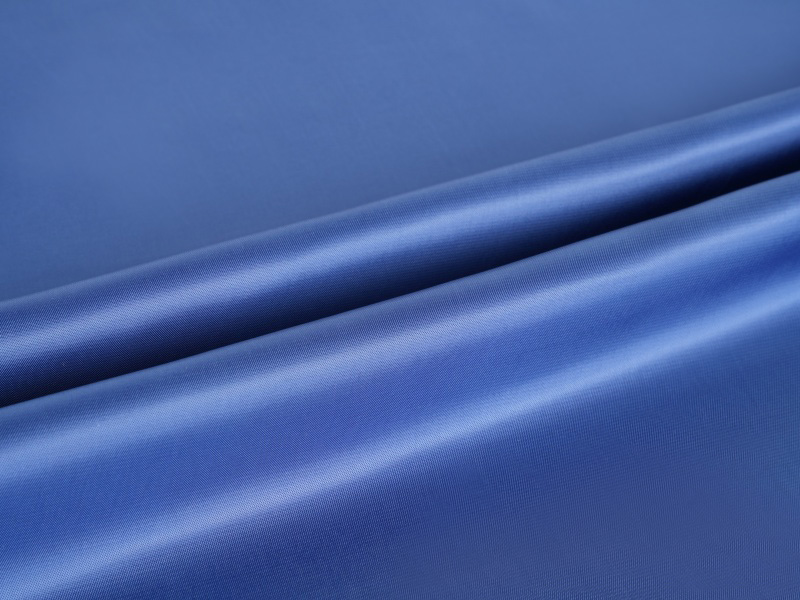
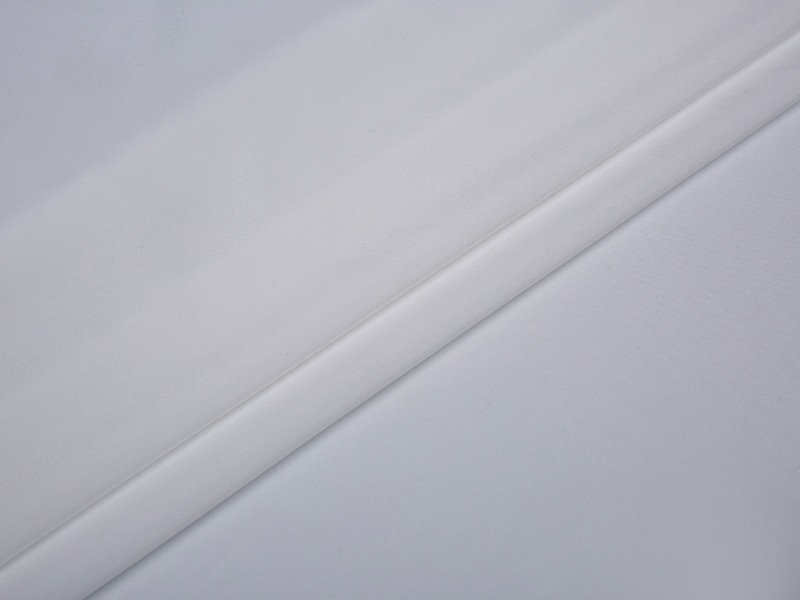
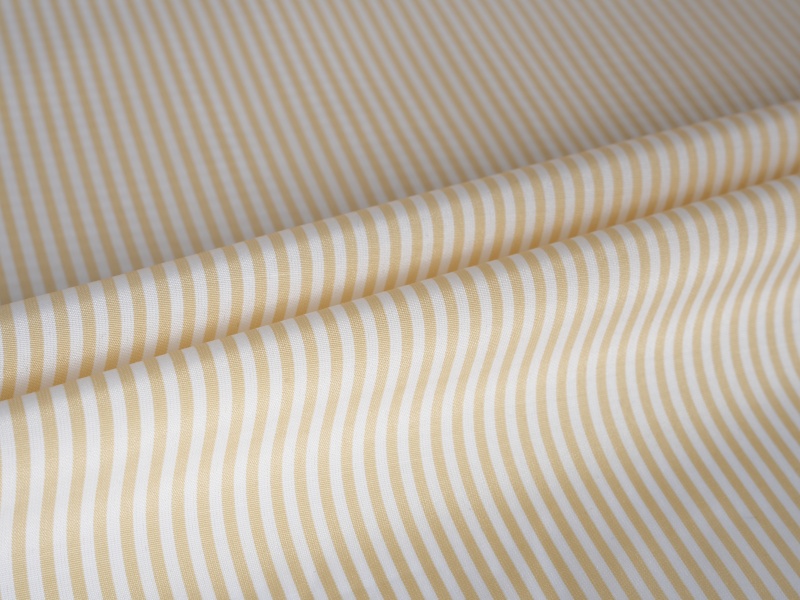
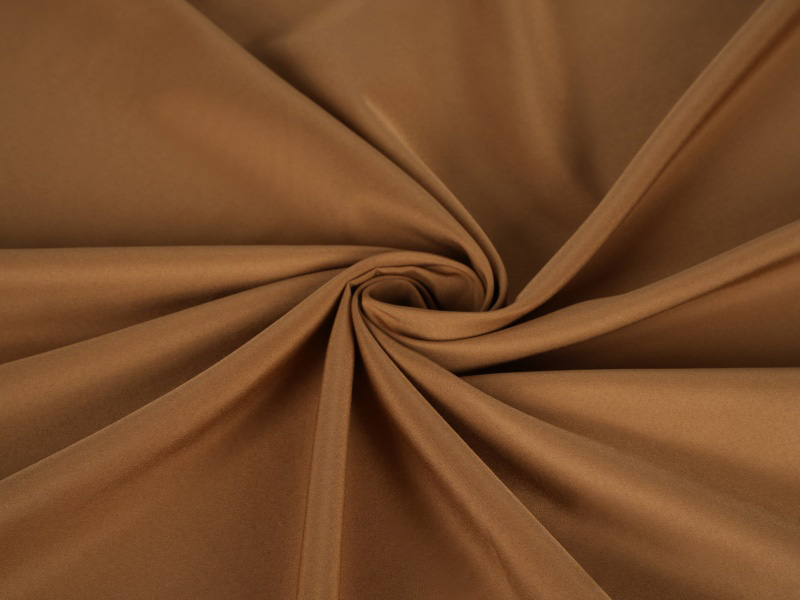 Polyester Viscose Plain Lining Fabric for Comfortable Winter WearThis lining pairs polyester strength with viscose's moisture-attracting properties, reducing static buildup in cold-weather garments. Its smooth, breathable texture makes it a practical choice for suits, jackets, and dresses.View Product →
Viscose and rayon are both regenerated cellulose fibers made from wood pulp. The terms are often used interchangeably: "viscose" is common in Europe and Asia, while "rayon" is widely used in North America. Because cellulose attracts water molecules, these fibers have a much higher moisture regain than polyester—typically around 11 to 13 percent. This moisture layer allows electric charge to move more freely, preventing high-voltage buildup on the garment surface.
When a winter coat is worn indoors, the lining is exposed to the body’s humidity as well as the surrounding air. Viscose fibers capture some of that moisture and create a thin conductive film on the fiber surface. Charge can then travel along this film and neutralize before it causes cling. This is why garments lined with viscose or rayon blends feel noticeably less "sticky" than those lined with 100 percent polyester.
Combining polyester with viscose or rayon produces a lining that is easier to care for and more durable than an all-cellulosic fabric, while significantly reducing static buildup. Blends such as 65 percent polyester and 35 percent viscose are common in garment linings because they retain strength and shape memory, yet they handle dry winter conditions far better than pure polyester. For applications that require a softer touch against the skin, rayon-cotton variations offer another way to keep moisture present near the body.
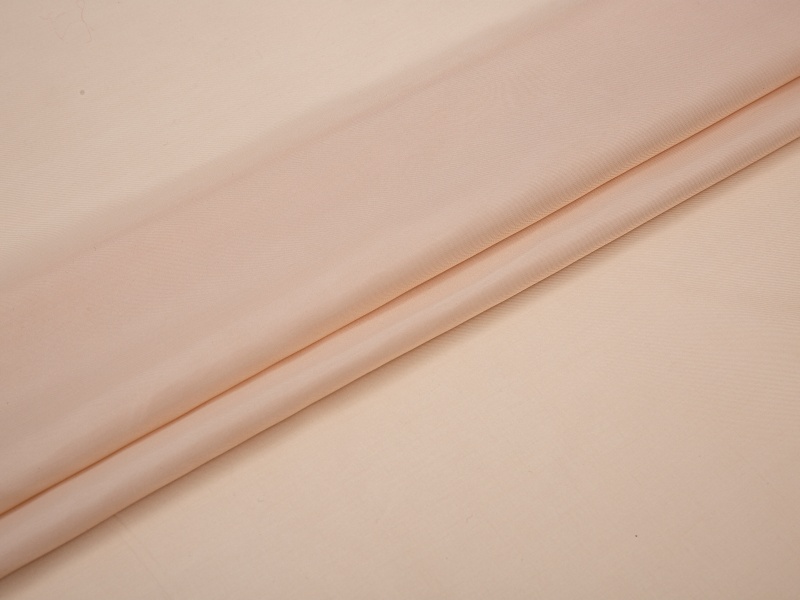
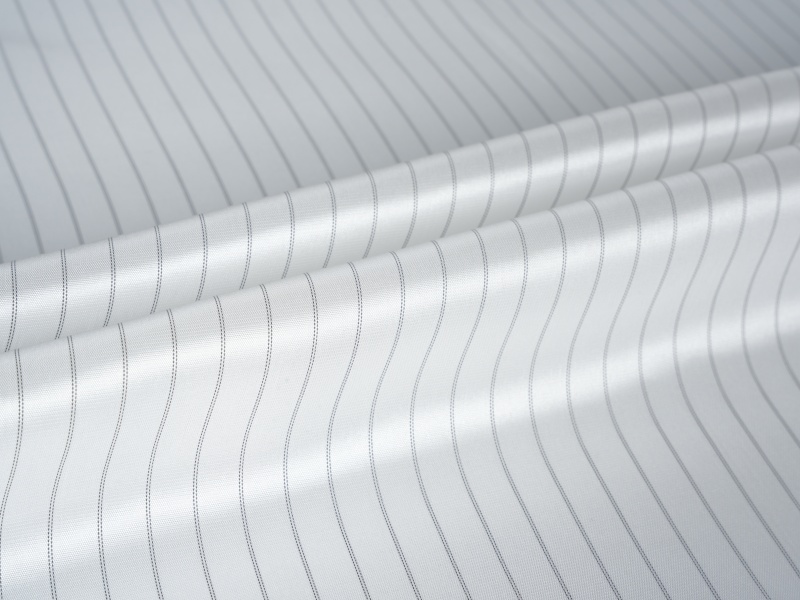
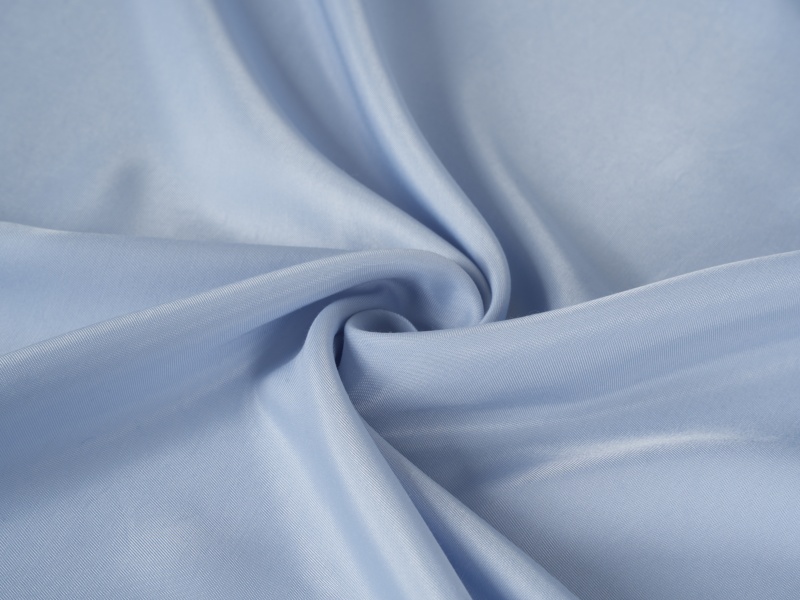 Rayon Cotton Lining Fabric with Moisture Control and Low StaticBlending rayon with cotton offers a softer touch and better moisture retention near the body. This lining balances breathability, warmth, and static reduction, making it suitable for seasonal garments requiring comfort and durability.View Product →
If you are evaluating how these fibers affect long-term garment behavior, our rayon lining fabric properties and care guide provides additional technical context on performance, shrinkage, and maintenance.
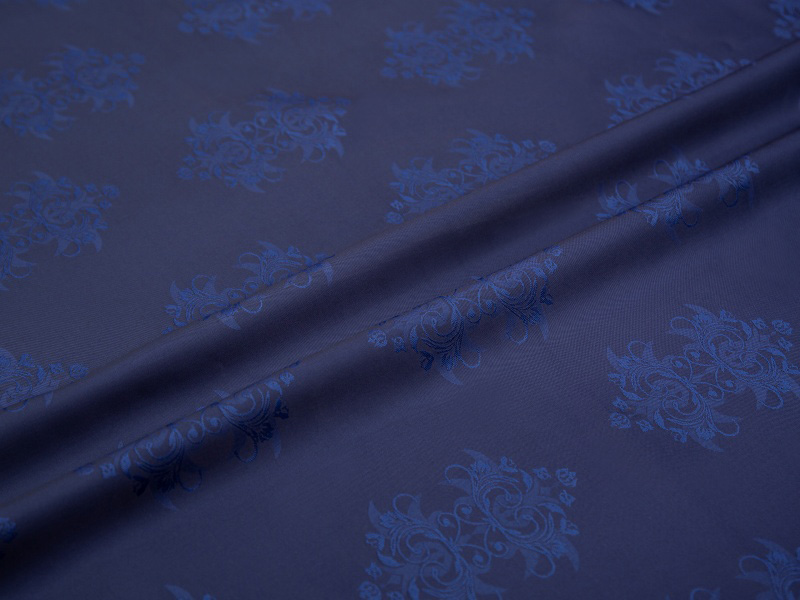
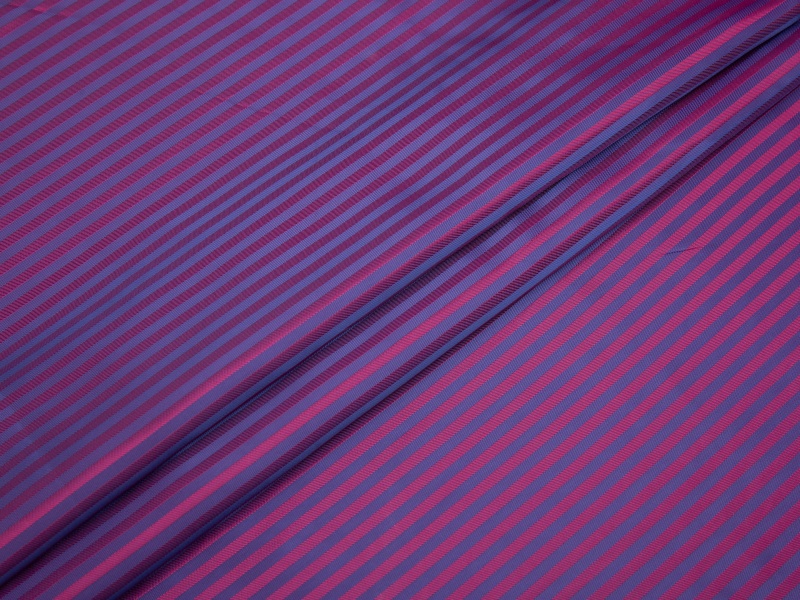
The best lining for a winter garment depends on the shell fabric, the intended user, and the level of static control required. A plain weave offers a smooth, low-profile surface for everyday suits and light coats. A twill weave is slightly more textured, drapes well, and resists abrasion in high-wear areas such as sleeves. Jacquard linings add a decorative or branded finish.
| Lining Type | Fiber Blend | Static Control | Best Application |
|---|---|---|---|
| Plain | Polyester-viscose | Good | Suits, blazers, light outerwear |
| Twill | Polyester-viscose | Good to high | Winter jackets, coats, high-abrasion sleeves |
| Jacquard | Polyester-viscose | High with cellulosic content | Premium garments, brand-logo linings |
Twill polyester-viscose linings are especially useful in winter coats and jackets because they stand up to repeated movement and provide a slightly heavier drape.
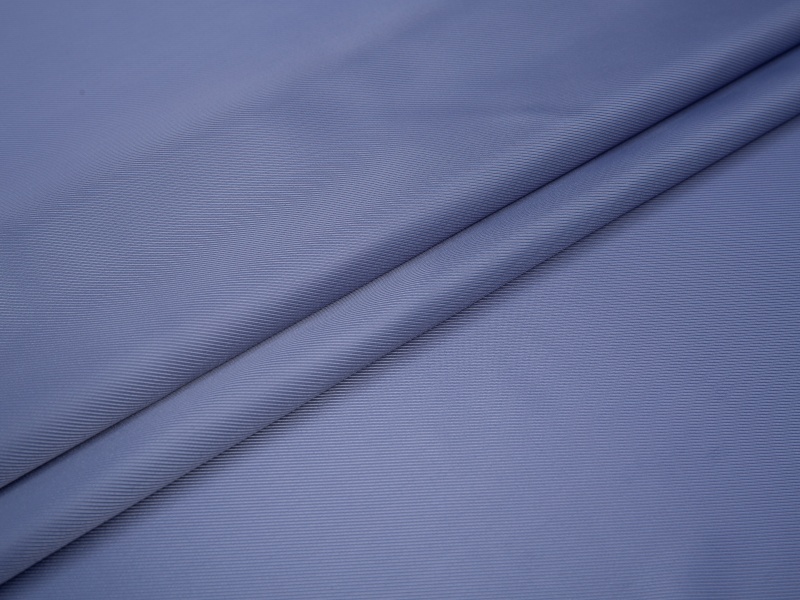
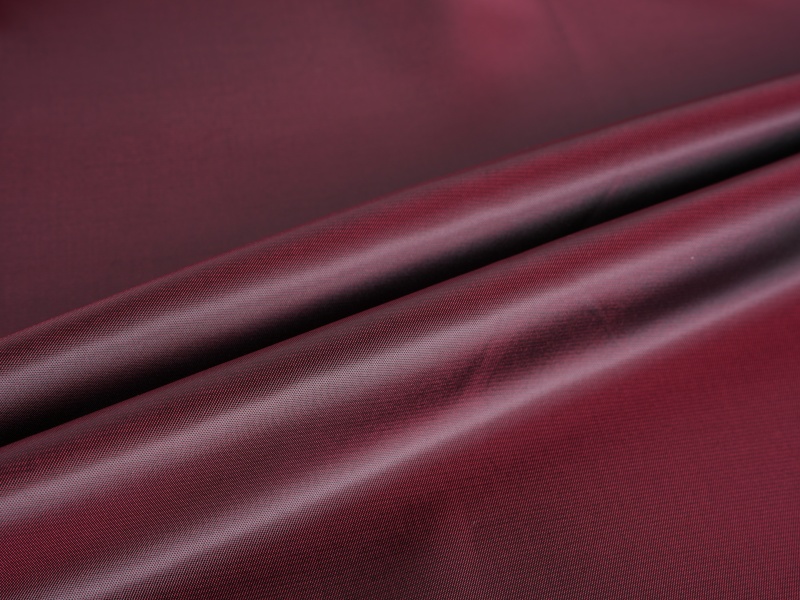 Polyester Viscose Twill Lining Fabric for Winter CoatsThe twill weave adds texture and a slightly heavier drape, while the polyester-viscose blend improves durability and moisture absorption. Ideal for winter coats and jackets, it helps minimize static and maintain elegance.View Product →
For apparel brands and garment manufacturers, static control should be considered during both material selection and production. The following steps help minimize cling in winter collections:
These steps are most effective when the lining itself has good moisture regain. That is why many manufacturers turn to high-quality viscose and rayon lining fabrics for winter coats and tailored outerwear.
Yes. Viscose absorbs moisture from the air and from the body, creating a path for electric charge to dissipate. It does not make a garment completely static-free in every condition, but it greatly reduces the cling and crackle compared with synthetic-only linings.
For most winter garments, yes. The viscose portion improves moisture regain and lowers surface resistance, while the polyester portion maintains strength, shape retention, and ease of care. The blend is a practical compromise between performance and durability.
In commercial use, viscose and rayon refer to the same regenerated cellulose fiber family. "Viscose" is more common in Europe and Asia; "rayon" is the standard term in North America. Some mills also use "rayon" for a wider range of cellulosic fibers, so it is always best to confirm the exact fiber composition with the supplier.
Look for a lining that is smooth, strong, and comfortable against the skin. A polyester-viscose blend with a plain or twill weave covers most winter coat requirements. If you want a decorative brand finish, consider jacquard. If the garment will be worn in very dry indoor environments, prioritize higher cellulosic content.
Static electricity in outerwear is not just a seasonal annoyance—it affects garment comfort, appearance, and perceived quality. Viscose and rayon blends address the root cause by giving linings the ability to absorb moisture and release charge. For brands designing winter coats, suits, and jackets, choosing a lining with meaningful cellulosic content is one of the most effective ways to prevent clothing cling and keep every layer in its place.
Copyright © Tongxiang Shunli Textile Technology Co., Ltd. All Rights Reserved.Custom Clothing Lining Fabrics Manufacturers
