


 English
 Español
 Français
ADDRESS
- Zicun, Chongfu Town, Tongxiang City, Zhejiang Province, China.
CONTACT
- Tel: +0086-13857379100
- Fax: +0086-0573-89372132
- Email: [email protected]
 2026-10-12
 Industry news
A garment's lining is the first thing the wearer feels when putting it on and the last thing they notice when it hangs in the wardrobe. Between the outer shell and the body, the lining controls slip, warmth, movement, and even the way a jacket keeps its silhouette. For apparel brands, tailors, and lining fabric buyers, choosing between polyester/rayon lining fabric and 100% polyester lining is a decision that comes up again and again. This article compares the two on the three properties that matter most in practice: hand-feel, drape, and static resistance.
100% polyester lining fabric is made entirely from continuous synthetic polyester filaments. These smooth, uniform yarns produce a lining that is strong, dimensionally stable, quick-drying, and resistant to shrinking and wrinkling. It is the workhorse of the industry, available in 100% polyester lining fabric constructions such as plain, twill, jacquard, and stretch weaves.
Polyester/rayon lining fabric combines polyester filaments with regenerated cellulose fibers such as viscose rayon. Adding rayon changes the personality of the lining: the fabric becomes softer, more absorbent, and closer in hand to a natural textile. Common blends in the woven lining category include polyester-viscose twill, plain, and jacquard, as well as rayon-cotton options marketed for their skin-friendly touch. The blend takes the strength of polyester and the comfort of cellulose, which is why it appears in many high-end garment lining programs.
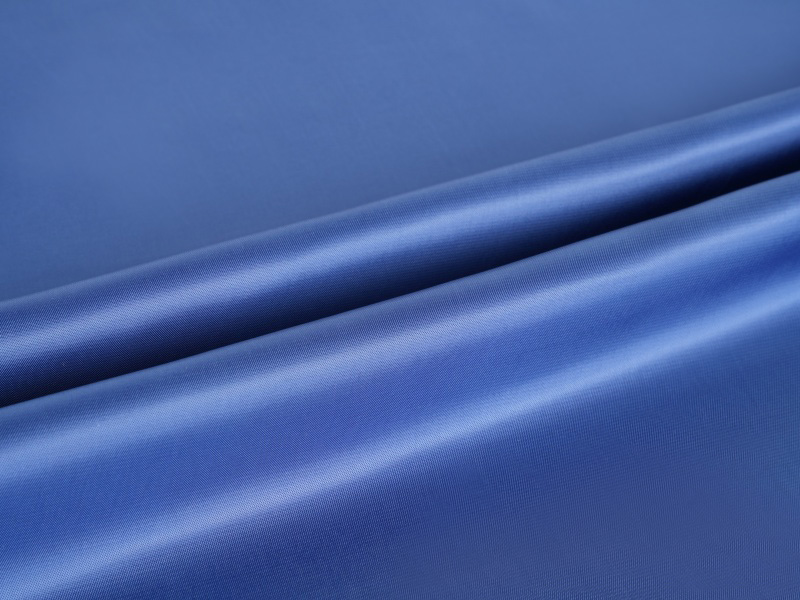
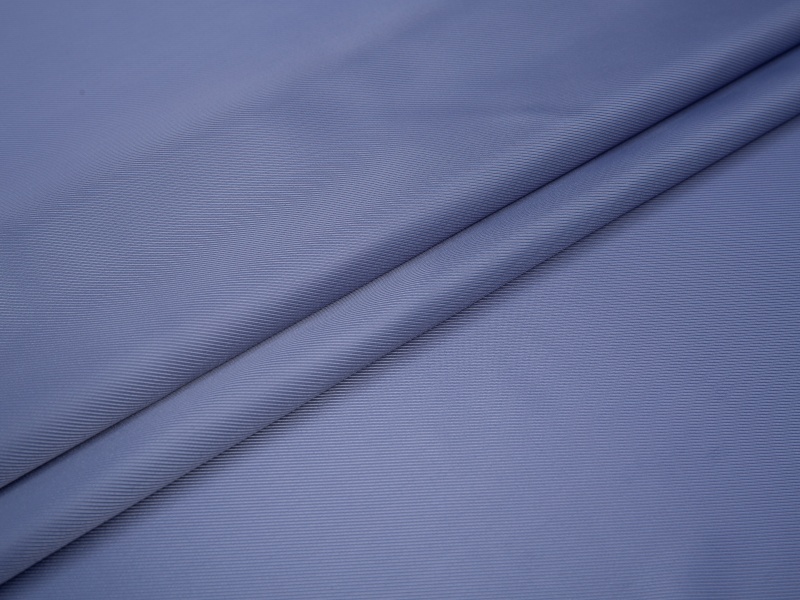
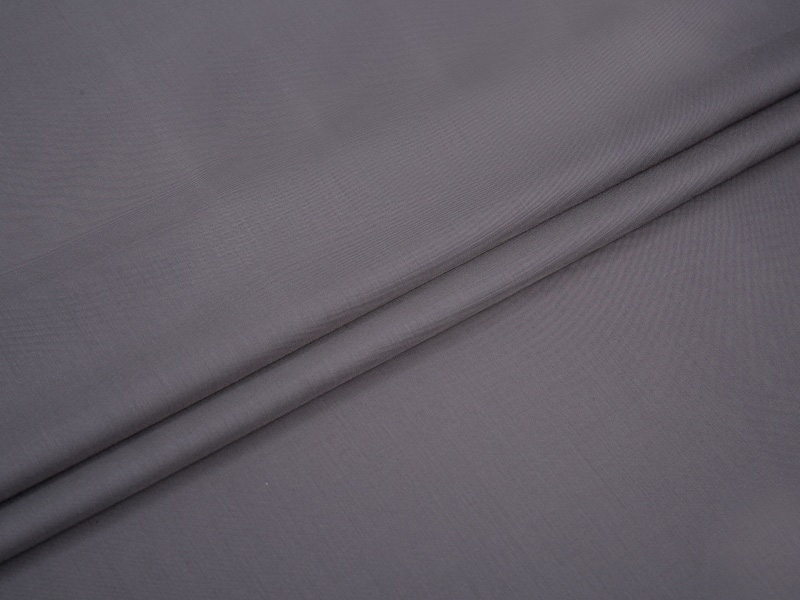 Rayon Lining Fabrics for Comfortable High-End GarmentsThis rayon blend lining combines polyester durability with rayon's soft, absorbent touch, making it a strong choice for designers prioritizing skin-friendly comfort and breathability in tailored clothing.View Product →
Hand-feel is the first property a designer evaluates. A lining should feel pleasant against the skin and allow the garment to slide over the body without sticking. The two material systems feel distinctly different.
The rayon fibers introduce a soft, matte texture and a warmer initial contact, so the lining feels closer to cotton or silk than to a typical synthetic. Because rayon absorbs a small amount of moisture, the fabric does not become clammy against warm skin, making it a comfortable choice for jackets worn directly over the body.
A 100% polyester lining feels slick, crisp, and deliberately smooth. Its low-friction surface is excellent for letting an outer garment slip on and off effortlessly. Some wearers, however, perceive the texture as waxy or plasticky, especially in colder months when the fabric feels cool at first touch. Polyester can also cling to dry skin or knitwear, which leads directly to the static problems discussed later.
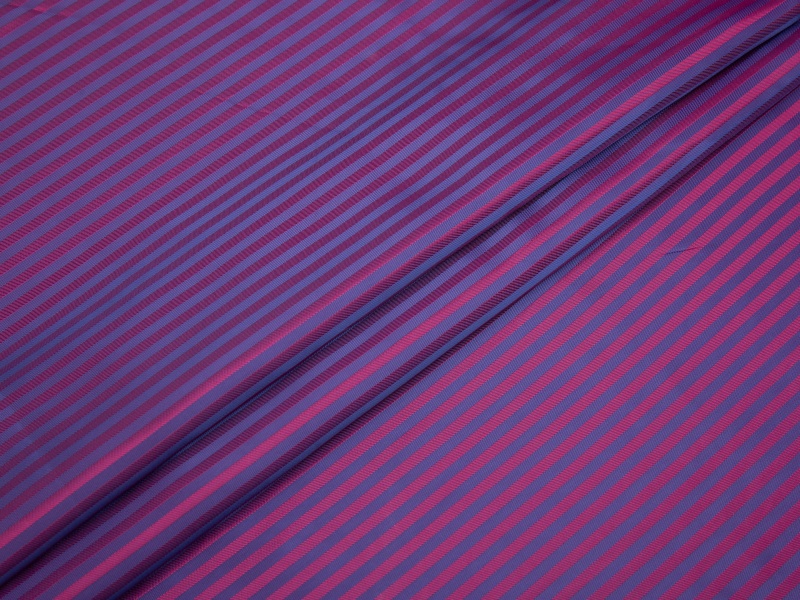
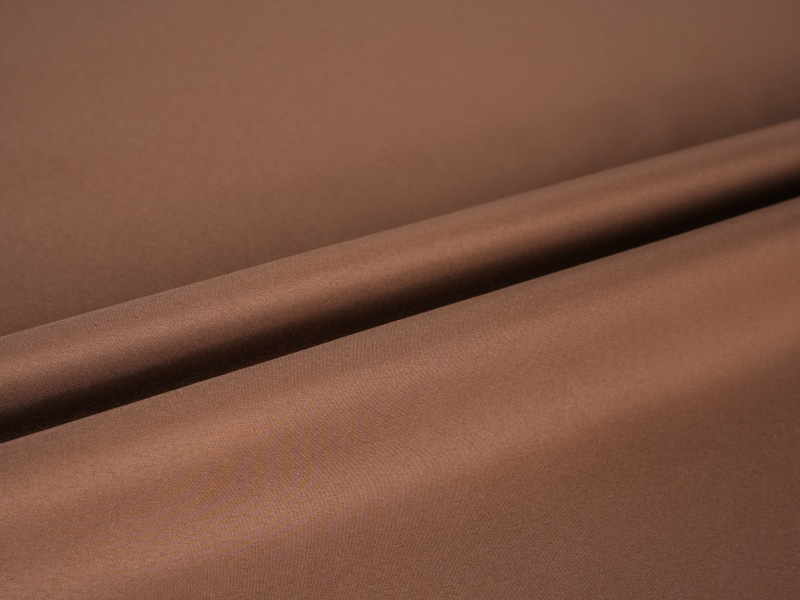 Polyester Plain Lining Fabric for Structured Women's WearA smooth, crisp polyester plain lining that helps garments hold their shape while offering bright colors and a delicate finish, ideal for formal pieces where structure and easy slip matter.View Product →
| Hand-Feel Factor | Polyester/Rayon Lining | 100% Polyester Lining |
|---|---|---|
| Surface | Matte, fabric-like | Glossy, smooth |
| Initial feel | Warm, soft | Cool, crisp |
| Slip | Moderate | High |
| Skin comfort | Comfortable, breathable | Slick, can feel synthetic |
Drape determines how the lining follows the outer fabric and the wearer's body. A lining that is too stiff can make a beautifully cut jacket feel stiff; one that is too fluid can undermine a sharply structured shoulder.
Polyester/rayon blends have a lower bending stiffness than pure polyester. They fall in soft, continuous folds and follow the movement of the body, making them ideal for relaxed suit jackets, blazers, dresses, and fashion coats where a flowing silhouette is desired. The additional weight of the rayon component also helps the lining settle smoothly against the outer shell rather than bucking or wrinkling.
100% polyester lining is lighter and springier. It holds its own shape and helps reinforce the structure of a tailored garment, such as a formal suit jacket or trousers, where clean lines and sharp edges matter. The high slip also means the outer fabric moves independently of the lining, which reduces distortion during wear. For structured tailoring, this is an advantage; for soft, unstructured garments, it can feel stiff.
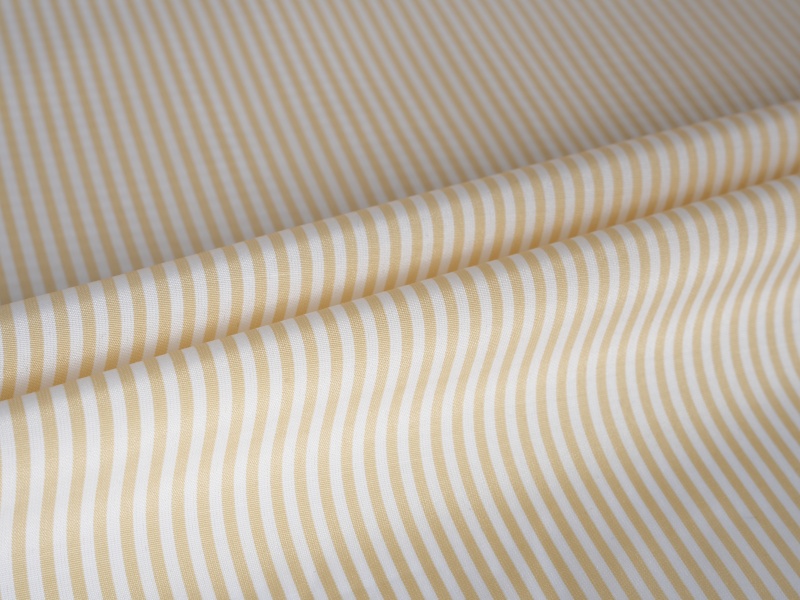
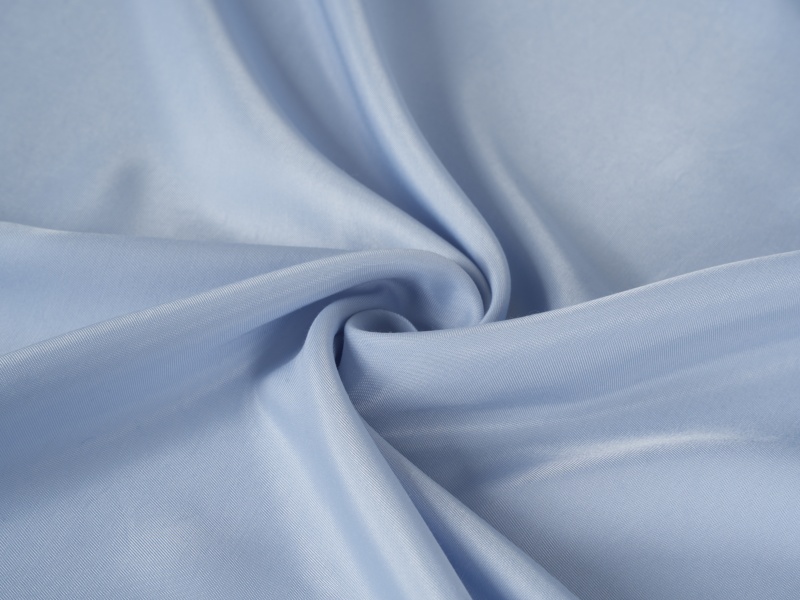 Rayon Cotton Lining Fabric with Breathable ComfortThis rayon cotton lining emphasizes air circulation, moisture absorption, and reduced static, providing a comfortable, dry inner layer that suits seasonal garments and sensitive skin.View Product →
Rule of thumb: choose polyester/rayon when you want the lining to disappear into the garment's movement; choose 100% polyester when you want the lining to help the garment keep its architectural shape.
Static cling is the most common quality complaint against synthetic linings. Friction between the lining and clothing layers generates electrostatic charge, and because polyester absorbs very little water, the charge cannot dissipate. In dry winter air, a 100% polyester lining can cling to trousers, tights, or knitwear the moment the wearer starts moving.
Rayon, by contrast, has a high moisture regain, absorbing water vapour from the air and allowing charge to leak away gradually. Blending rayon into a polyester lining reduces static build-up significantly. A polyester/rayon lining will still generate some charge in very dry conditions, but the effect is far less noticeable.
| Property | Polyester/Rayon Lining | 100% Polyester Lining |
|---|---|---|
| Moisture regain | 3 to 7 percent depending on blend | Around 0.4 percent |
| Static build-up | Low to moderate | High in dry air |
| Anti-static finish | Seldom required | Often recommended |
| Climate comfort | Balanced in dry and mild climates | Best in normal to humid conditions |
For brands that export to cold, dry markets or specify linings in knit-based garments, the static behaviour of the lining is a real selling point. A small investment in a rayon-containing blend can eliminate one of the biggest sources of customer returns.
Polyester is famous for its toughness. It resists abrasion, does not shrink easily, dries quickly, and survives frequent cleaning without losing its smooth surface. A 100% polyester lining is an excellent choice for garments intended for heavy rotation, travel, and machine care.
Rayon is weaker when wet and can shrink if the fabric is not properly pre-shrunk or finished. In a polyester/rayon blend, however, the polyester component stabilises the structure, and established mills control shrinkage during finishing. The blend remains somewhat more delicate than pure polyester and is usually best dry-cleaned or washed on a gentle, cold cycle.
Cost follows the raw materials: 100% polyester lining is the most budget-friendly option, while polyester/rayon lining sits at a higher price point. The premium buys a better hand-feel and fewer static problems, which is why many suit and fashion brands position the blend in their mid-to-high range garments.
Neither material is universally superior; the right answer depends on the garment, the market, and the brand promise. Use the following guide as a starting point.
In practice, both families can come from the same production programme, making it possible to switch between a poly-rayon blend for softness and a pure polyester for structure without changing sourcing partners.
Yes, in most cases. The rayon component creates a softer, warmer, more fabric-like surface, while 100% polyester feels slicker and crisper. If a natural hand-feel is the goal, the blend is usually the better choice.
It does not eliminate it entirely, but it reduces it dramatically. Rayon's moisture absorption allows electrostatic charge to dissipate, so a polyester/rayon lining produces far less cling than a 100% polyester lining in dry conditions.
It can, but it will soften the internal hand of the jacket. For a sharply structured suit, 100% polyester supports the architecture better. For a modern, softer-shouldered suit, the blend is often preferred.
100% polyester linings can usually tolerate gentle machine washing and quick drying. Polyester/rayon linings are more water-sensitive; dry cleaning or a cold, gentle cycle with low heat is safer to prevent shrinkage and preserve the hand-feel.
Both polyester/rayon and 100% polyester linings have a legitimate place in a well-designed garment. The blend brings softness, fluid drape, and static resistance to fashion-oriented pieces; the pure synthetic brings structure, easy care, and economy to tailored classics. By evaluating hand-feel, drape, and static behaviour against the garment's intended use, designers and sourcing teams can make a confident decision that keeps both the wearer and the pattern maker satisfied.
Copyright © Tongxiang Shunli Textile Technology Co., Ltd. All Rights Reserved.Custom Clothing Lining Fabrics Manufacturers
