


 English
 Español
 Français
ADDRESS
- Zicun, Chongfu Town, Tongxiang City, Zhejiang Province, China.
CONTACT
- Tel: +0086-13857379100
- Fax: +0086-0573-89372132
- Email: [email protected]
 2026-05-25
 Industry news
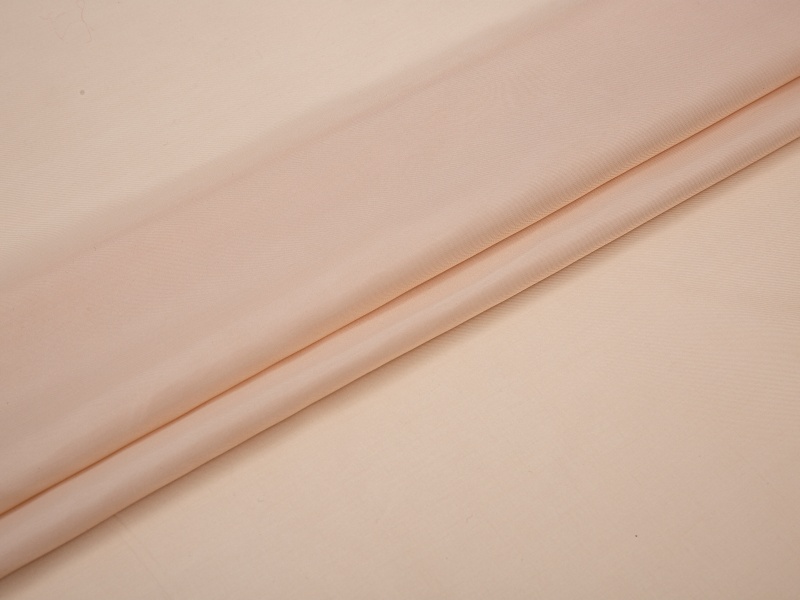
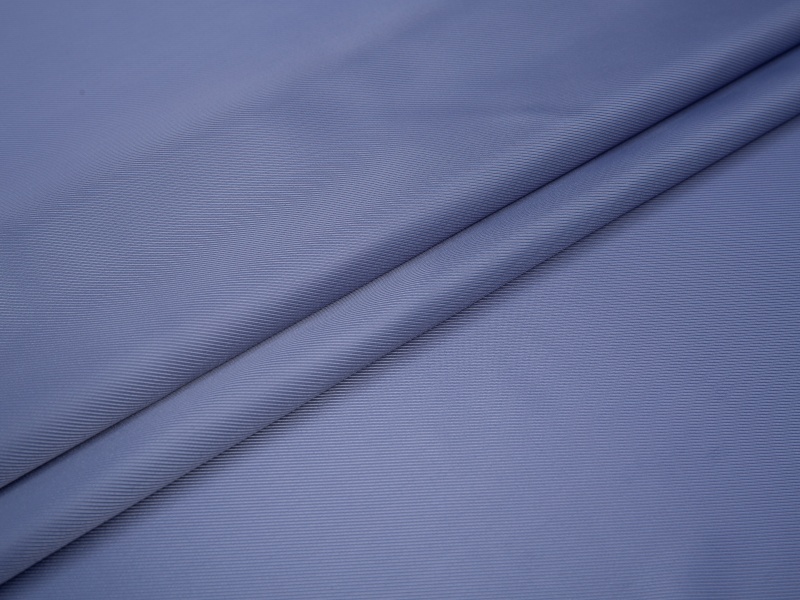
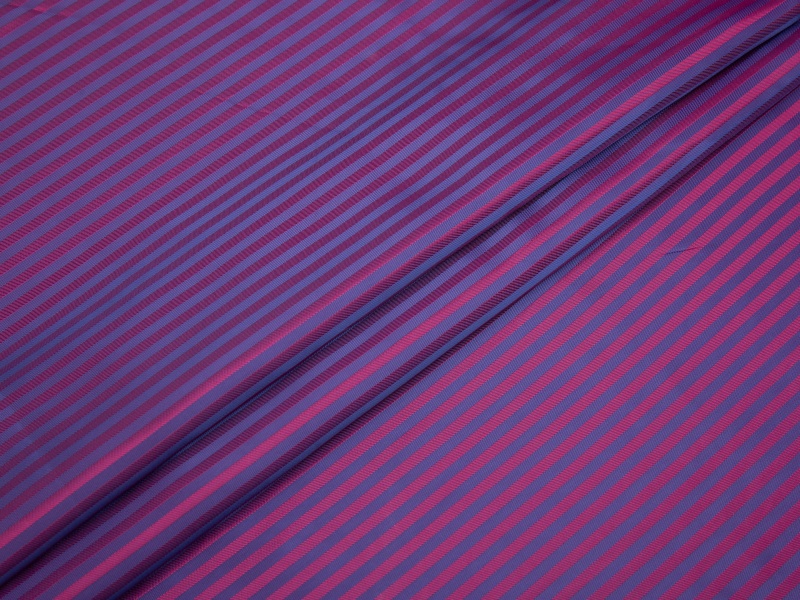
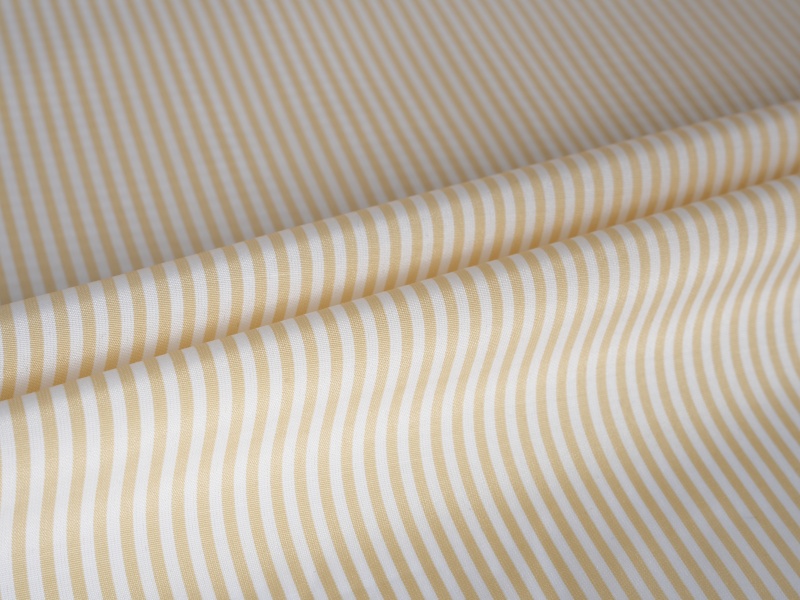
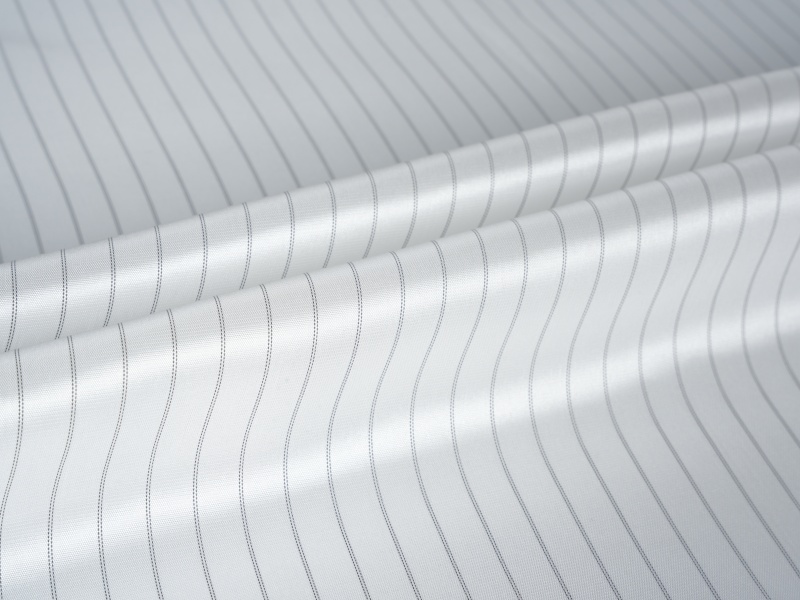
100 polyester lining is a synthetic fabric specifically engineered to be placed on the inside of garments, bags, and accessories. The direct answer is that polyester lining cloth fabric is popular because it provides a slippery, smooth surface that reduces friction, prevents stretching, hides internal construction, and adds opacity to the outer fabric. Compared to natural linings like silk or cotton, a 100% polyester lining offers superior durability, high wrinkle resistance, and excellent colorfastness at a fraction of the cost, making it the dominant choice in ready-to-wear jackets, coats, and bags where a weight of 50 to 120 GSM (grams per square meter) is typically used.
In textile and garment construction, lining refers to an inner layer of fabric sewn into garments, bags, hats, or luggage. It differs from underlining or interlining in that it is constructed as a separate, free-hanging layer that slides against both the wearer and the garment’s shell. The primary purpose is to protect the outer fabric from body oils and moisture, reinforce the shape of the item, and provide a clean, finished interior. Without a lining, the raw seams, interfacing, and pocket bag construction are exposed, which not only looks unprofessional but also reduces the lifespan of the piece. Lining also acts as a thermal barrier in winter coats or as a moisture-wicking layer in activewear.
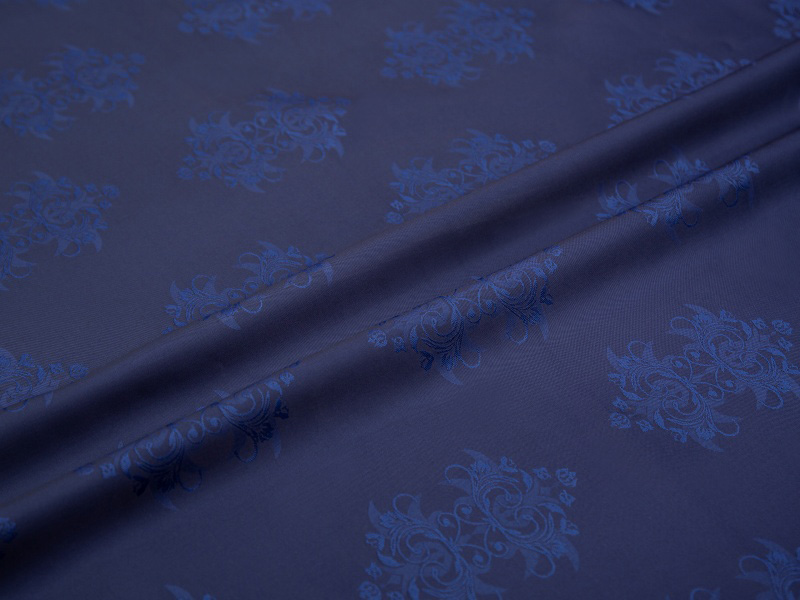
100% polyester lining fabric dominates the market because of a distinct set of performance characteristics that natural fibers cannot easily match at the same price point. These properties directly address the practical problems encountered during daily wear.
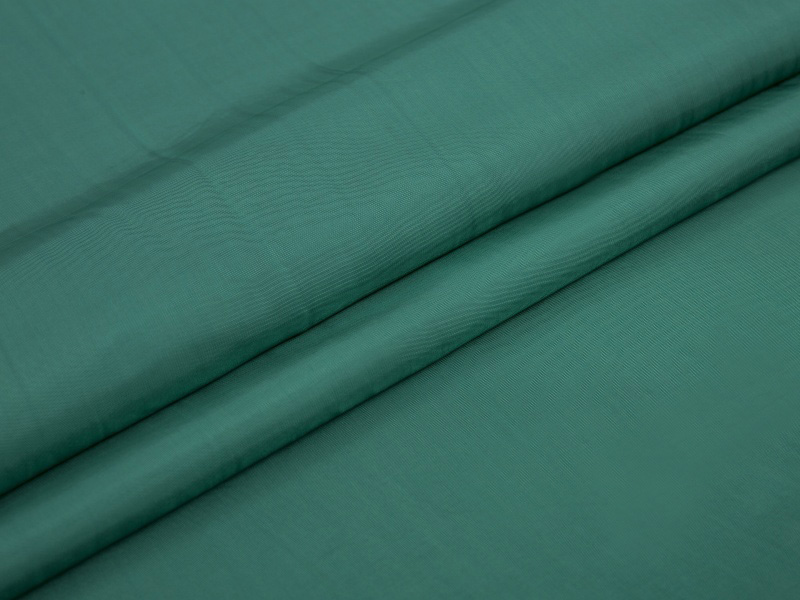
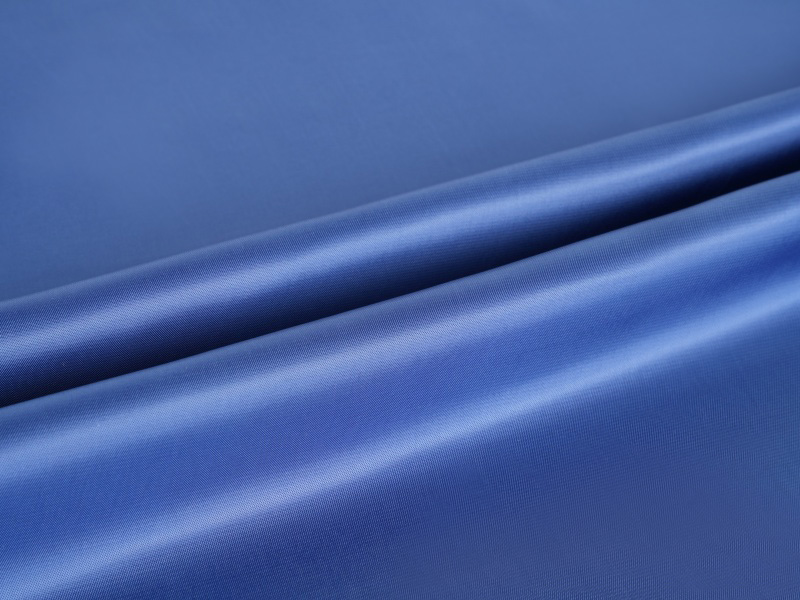
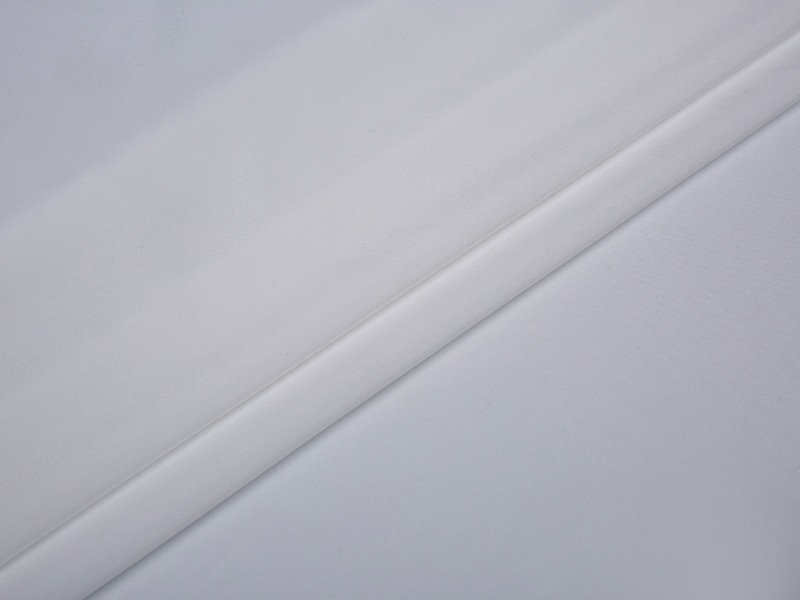
Not all polyester linings are the same. The weight, weave, and finishing process determine the specific application, from the lightest chiffon to heavy satin. The table below outlines the most widely used types in the garment and accessories industries.
| Type of Lining | Typical Weight (GSM) | Texture and Hand | Primary Use |
|---|---|---|---|
| Polyester Taffeta | 50 to 80 | Crisp, smooth, slight rustle | Jackets, coats, windbreakers, bags |
| Polyester Satin (Charmeuse) | 70 to 120 | Glossy, extremely slippery, soft drape | Formal wear, suit jackets, luxury dresses |
| Polyester Twill | 80 to 130 | Diagonal rib, durable, less slipper | Pockets, heavy coats, suit pants |
| Polyester Pongee | 40 to 60 | Soft, lightly textured, slight sheen | Umbrellas, down jackets, lightweight linings |
| Brushed/ Tricot Polyester | 60 to 100 | Soft, brushed face, slight mechanical stretch | Sportswear, fleece interiors, thermal linings |
Choosing between 100 polyester and alternatives like viscose (rayon), cupro, silk, or acetate often comes down to balancing cost, maintenance, and performance. Polyester linings have a distinct competitive edge in several critical areas.
The following are practical examples of how 100% polyester lining cloth is used across different product categories.
Proper selection depends on matching the lining weight to the fashion fabric. A heavy wool coating requires a sturdy twill or satin lining (80-120 GSM) to carry the weight, while a delicate georgette blouse needs a lightweight habotai or chiffon (40-60 GSM). The color of the lining should either match the ground color of the print or complement the main fabric tone; an ecru or nude polyester lining is the standard for white pants to prevent the "see-through" effect.
During sewing, polyester lining requires fine, sharp needles (size 65/9 or 70/10) and a slightly reduced thread tension to prevent puckering. The seam allowance must be finished appropriately; because polyester frays easily, a French seam or an overlocked edge is standard practice. If the lining is purchased by the meter, pre-washing it in cold water before cutting is recommended to remove manufacturing sizing and prevent differential shrinkage later.
100% polyester linings are low-maintenance. They are machine washable at temperatures up to 40 degrees Celsius (104 degrees Fahrenheit) without significant degradation, unlike silk which requires dry cleaning. They resist wrinkling, meaning a garment hung overnight often sheds its creases. However, polyester is sensitive to high heat. Ironing should be done on a synthetic setting (usually marked "low" or "polyester") to avoid melting or glazing the fabric. The melting point of polyester is approximately 260 degrees Celsius (500 degrees Fahrenheit), but shrinkage and hardening can begin at much lower temperatures if prolonged direct contact with a hot iron occurs.
Another longevity factor is "pilling" or "bearding" inside the armpit area where abrasion is highest. Higher-quality, continuous-filament polyester linings resist pilling much better than spun polyester, which has loose fiber ends. When selecting a lining, a filament polyester satin or taffeta is a better long-term investment than a cheaper spun polyester that will degrade into a cloudy, pilled surface within a single season of daily wear.

Copyright © Tongxiang Shunli Textile Technology Co., Ltd. All Rights Reserved.Custom Clothing Lining Fabrics Manufacturers
