


 English
 Español
 Français
ADDRESS
- Zicun, Chongfu Town, Tongxiang City, Zhejiang Province, China.
CONTACT
- Tel: +0086-13857379100
- Fax: +0086-0573-89372132
- Email: [email protected]
 2026-09-17
 Industry news
The inside of a suit is never a minor detail. The lining determines how easily the jacket slips over a shirt, how it breathes during a long meeting, how it moves with the body, and how many years it survives repeated wear. Among the most widely specified lining materials for tailored clothing is polyester viscose - a blend of polyester and viscose (also called rayon) that balances performance, hand feel, and cost. When a garment factory or a tailor specifies this material, the first question is almost always: how much viscose? The two most common formulations are 30% viscose / 70% polyester and 50% viscose / 50% polyester. That difference is not a minor technicality. It changes the lining's moisture behaviour, its drape, its resistance to friction, and the long-term behaviour of the finished jacket.
Polyester viscose lining fabric is a woven material that combines polyester yarns with viscose fibres. Polyester is a synthetic fibre known for high tensile strength, excellent dimensional stability, and very low moisture absorbency. Viscose is a regenerated cellulose fibre made from wood pulp; it is soft, smooth, breathable, and readily absorbs moisture. When the two are blended, the fabric gains strength and shape retention from polyester, and softness, drape, and comfort from viscose.
The weave construction also matters. Plain weaves feel firmer and hold a structured silhouette; twill weaves drape softly and move with the body; jacquard weaves add decorative patterns while delivering a denser surface. Because the fibre ratio changes how the fabric behaves in a finished garment, a reliable lining supplier offers both 30% and 50% viscose versions of each weave. For a closer look at how the two ratios interact with weave structure, see our polyester viscose lining fabric guide.
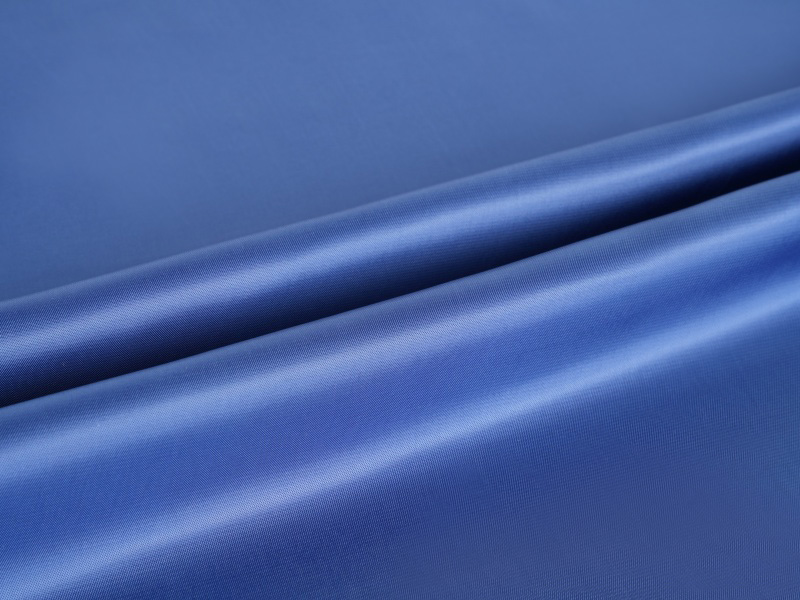
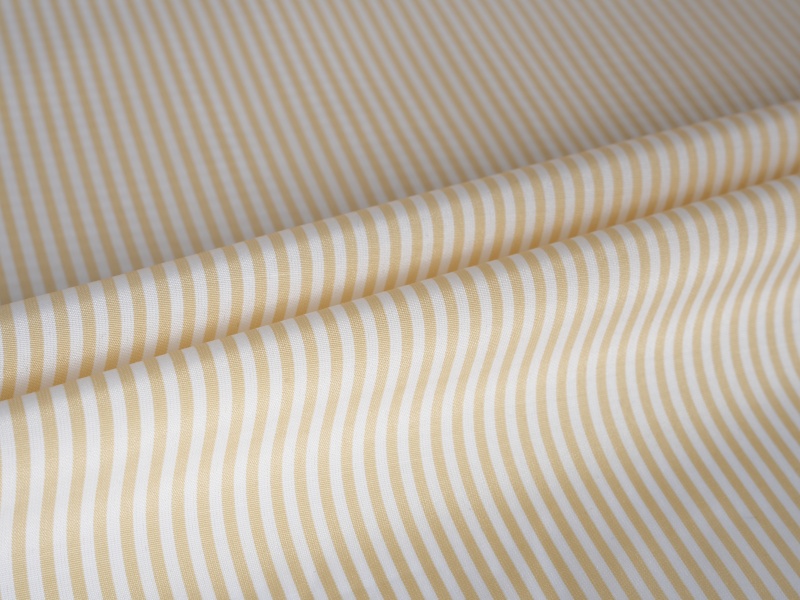
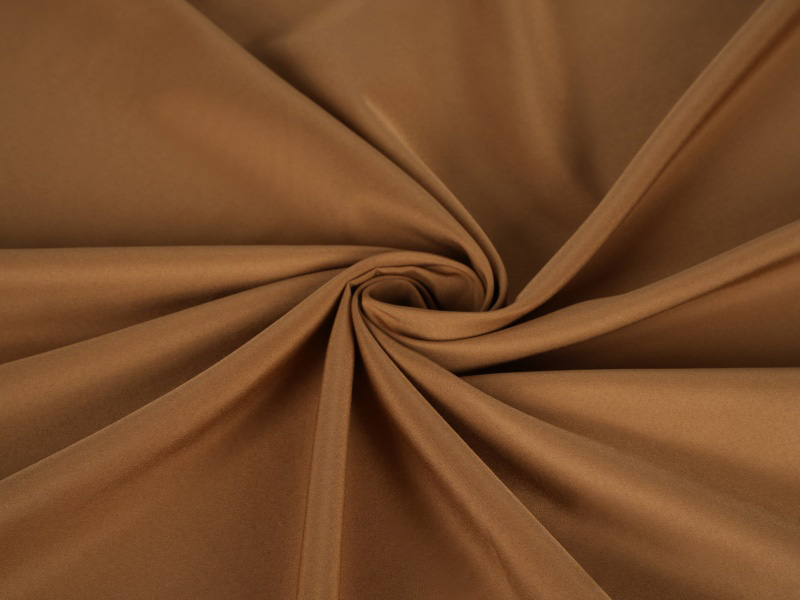 Polyester Viscose Plain Weave Lining FabricThis plain weave lining combines polyester strength with viscose softness, offering wrinkle resistance and breathability. Its firm hand and smooth texture suit structured garments like dresses and shirts.View Product →
The two ratios differ in almost every wearing property, and the choice affects both the tailor who sews the jacket and the end customer who wears it.
The table below compares the two formulations across the properties that matter most in a suit lining.
| Property | 30% Viscose / 70% Polyester | 50% Viscose / 50% Polyester |
|---|---|---|
| Hand feel | Crisper and firmer | Softer and silkier |
| Moisture absorption | Moderate | High |
| Breathability | Moderate | Better |
| Drape and flow | Holds a firm silhouette | Follows the body closely |
| Tensile and tear strength | Higher | Moderate |
| Abrasion resistance | Higher | Moderate |
| Shrinkage risk | Lower | Higher |
| Static behaviour | Moderate static | Less static cling |
| Best suited for | Structured suits and daily wear | Soft tailoring and premium comfort |
As the table suggests, a higher viscose ratio improves the sensory side of the lining, while a lower viscose ratio favours mechanical robustness. Neither ratio is universally better, which is why both remain permanent options on a lining manufacturer's specification sheet.
Comfort in a tailored suit is not only about the outer fabric. The lining is the layer that sits directly against the shirt or, in half-lined jackets, against the skin. It controls the microclimate inside the jacket and determines how freely the wearer can move.
Polyester has a moisture regain of roughly 0.4 percent, meaning it barely absorbs water. Viscose has a moisture regain of 11 to 13 percent. In a 30% viscose blend, the fabric can absorb around 3 to 4 percent of its weight in moisture; at 50% viscose, that figure rises to about 6 percent. For a wearer in a warm room or under a heavy jacket, a 50% viscose lining removes perspiration from the skin more effectively and reduces the clammy feeling that is common with high-polyester linings.
Viscose is a flexible fibre with a low bending modulus. When it makes up half of the yarn, the resulting fabric bends and yields far more easily. A 50% viscose lining is immediately easier to move in - it yields around the shoulders and elbows rather than resisting the body's motion. A 30% viscose lining, by contrast, feels crisper and returns to its original shape readily, which some wearers prefer in a formal, structured silhouette.
The surface of viscose is smooth and slightly warm to the touch, while polyester feels cooler and more synthetic. At 50% viscose, the lining acquires a silkier, more premium hand feel. This is a major reason why premium suit brands ask for the 50/50 construction even though the 30% version is cheaper to produce. In jackets worn directly over the skin, the higher viscose content also reduces the risk of skin irritation.
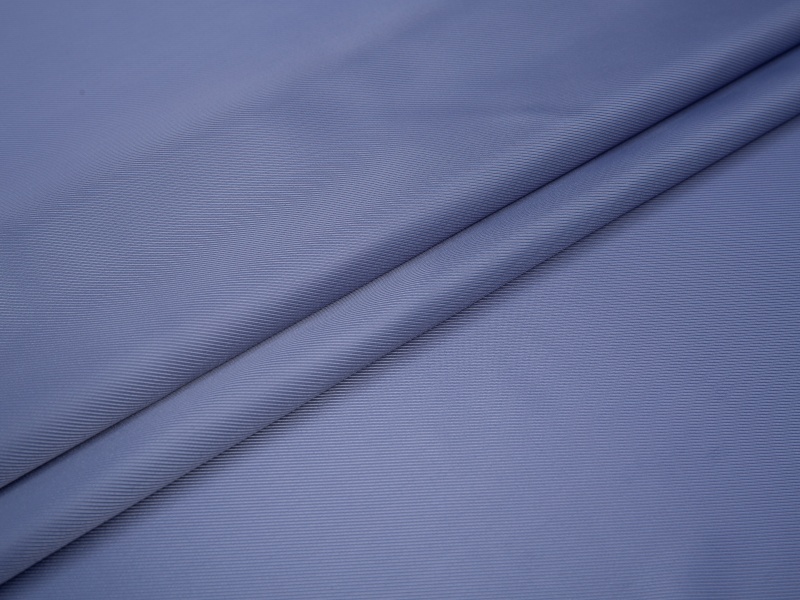
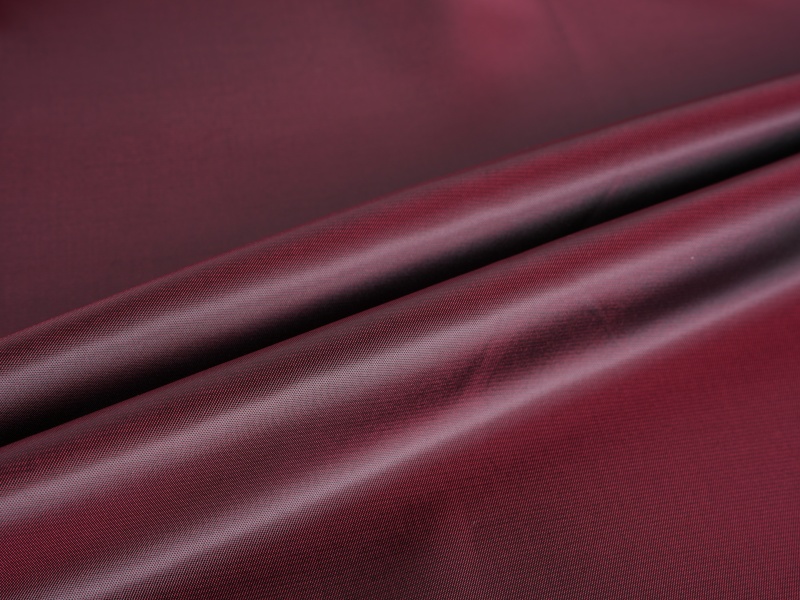 Polyester Viscose Twill Lining FabricA 50% viscose twill lining delivers a silkier, premium hand feel that drapes softly, making it ideal for soft-tailored suits and travel jackets where comfort and ease of movement matter.View Product →
When this softer hand feel is combined with a twill weave, the lining becomes even more conformable, making the 50% viscose twill a frequent choice for soft-tailored and travel suits.
Durability is where the 30% formulation makes its strongest case. Because polyester is significantly stronger than viscose in both tensile and tear strength, a 30% viscose lining resists ripping, seam slippage, and abrasive wear better than a 50% version. In a jacket worn several times per week, the seat, elbows, and shoulders are constant friction zones. A 50% viscose lining may begin to show surface polishing or fuzz after two or three seasons, while a 30% viscose lining will typically maintain its appearance for considerably longer.
Abrasion resistance is closely tied to the polyester share. In laboratory testing, 70/30 polyester viscose linings commonly outperform 50/50 blends by a clear margin, especially in Martindale wear tests. The same logic applies to pilling: the stronger polyester component anchors the surface fibres and delays the formation of pills on the back and sleeves.
Viscose fibres swell when wet and shrink when dried. At 50% viscose, the lining carries a higher potential for shrinkage after repeated professional cleaning. Garment makers that sell to customers who dry-clean regularly therefore prefer a 30% viscose lining to keep the jacket's fit stable over a longer service life. The trade-off is a slightly less soft interior - a penalty many buyers are willing to pay.
Higher viscose content also offers one clear durability advantage: dye affinity. Viscose accepts dyes readily and holds saturated colours after many cleaning cycles. In deep navy, charcoal, or black linings, a 50% viscose fabric keeps its rich tone better over the years, whereas a 30% viscose lining may develop a subtle dullness after long exposure to perspiration or light.
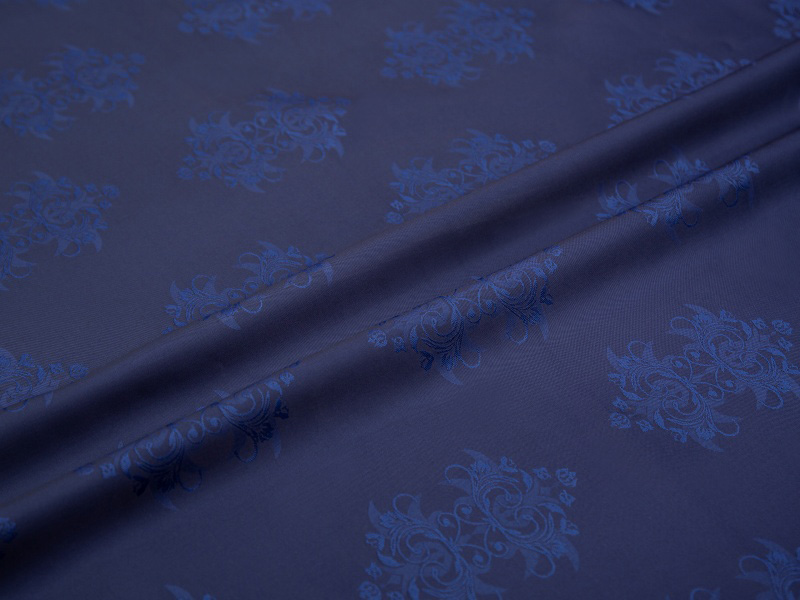
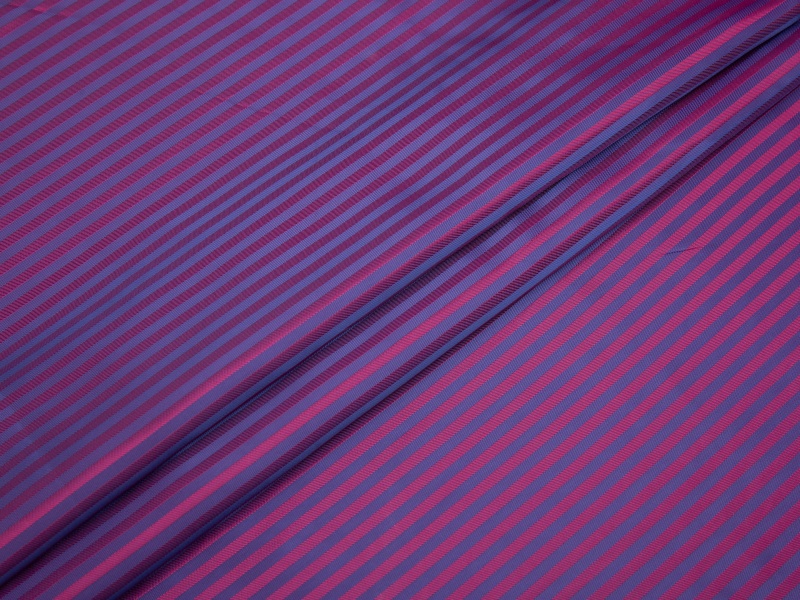
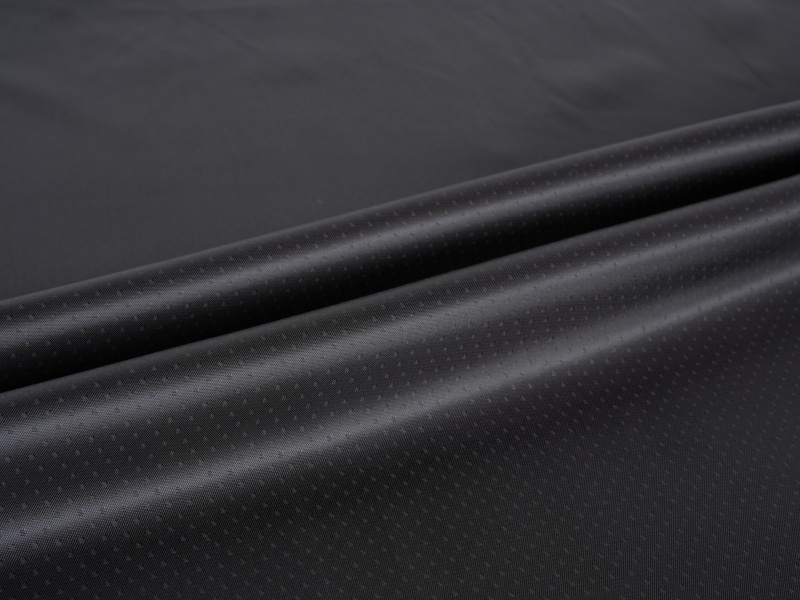 Polyester Viscose Jacquard Lining FabricFeaturing decorative jacquard patterns and a denser construction, this lining balances durability with richer color retention. Its anti-static finish and customization options suit high-end apparel and interior use.View Product →
When the lining must also make a visual statement, a jacquard construction adds density to the fabric structure, which partly compensates for the lower abrasion resistance of a higher viscose content.
There is no single correct ratio - only the right ratio for a specific garment. Here is how garment factories and brands typically apply the two formulations:
The difference between 30% and 50% viscose is not about which is better. It is about which part of the suit experience the brand chooses to prioritise.
At Shunli Textile, every polyester viscose lining can be supplied in both ratios within the same weave and colour system, so a garment factory can switch between models without changing the lining's visual identity.
Yes. Viscose absorbs and releases moisture far more actively than polyester. At 50% viscose, the lining transfers perspiration vapour away from the body more efficiently, keeping the wearer drier and more comfortable in warm or fluctuating temperatures.
In high-friction areas, yes. The lower polyester content reduces abrasion resistance and can lead to surface fuzz or thinning after heavy use. For garments worn occasionally, the difference is unlikely to be noticeable; for daily-wear suits, a 30% viscose lining is the safer recommendation.
Yes, but the softer lining changes the way the jacket drapes. If the suit uses a firm canvas and a strong fusible interlining, a 50% viscose lining will still perform well. For unstructured jackets, the combination of soft outer fabric and soft lining should be tested in a prototype before bulk production.
Around 70% polyester with 30% viscose is the most common specification for mass-produced suit linings because it offers the best balance between cost, durability, and comfort. The 50/50 ratio is specified when a brand wants a perceptibly softer, more premium feel and is willing to accept a slightly shorter service life.
The choice between 30% and 50% viscose in a polyester viscose lining fabric is a real engineering decision, not a marketing preference. Choose 30% when the suit must last, hold its shape, and survive frequent cleaning. Choose 50% when the priority is a soft, breathable, luxurious interior that drapes with the body. Both are legitimate, and both serve different customers. The skill of a lining supplier lies in helping the garment maker identify which one the end consumer is actually buying.
Copyright © Tongxiang Shunli Textile Technology Co., Ltd. All Rights Reserved.Custom Clothing Lining Fabrics Manufacturers
