


 English
 Español
 Français
ADDRESS
- Zicun, Chongfu Town, Tongxiang City, Zhejiang Province, China.
CONTACT
- Tel: +0086-13857379100
- Fax: +0086-0573-89372132
- Email: [email protected]
 2026-10-26
 Industry news
When you flip a suit jacket inside out, the lining is the surface your hand touches first. Its weave structure decides how the garment slips on, how it breathes, and how long it holds up through years of wear. Among polyester lining fabrics, the choice usually comes down to plain, twill, or jacquard weaves. Each weave brings a different balance of smoothness, strength, hand-feel, and decorative effect. This article explains how the weave structure of plain, twill, and jacquard polyester lining fabrics dictates where and how they should be applied.
In short: plain is the affordable workhorse, twill is the durable draper, and jacquard is the visible statement.
Weave structure is the pattern in which warp and weft threads interlace. It decides a fabric's surface texture, flexibility, abrasion resistance, and how well it follows the movement of a garment.
Each weft thread passes over one warp thread and under the next. The frequent interlacing makes the fabric dimensionally stable, thin, and smooth. Plain-woven polyester lining has a clean, flat surface with low friction, so garments are easy to put on and take off.
Twill creates a diagonal line through a step pattern in interlacing. Yarns float over two or more warp threads before crossing under one, reducing interlacing points. This makes the lining softer to the touch, more resistant to abrasion, and slightly heavier than plain weave.
Jacquard is a weaving technology that controls each warp thread independently, allowing elaborate patterns to be woven directly into the fabric. The pattern is part of the structure, so repeated washing and dry-cleaning will not erase it.
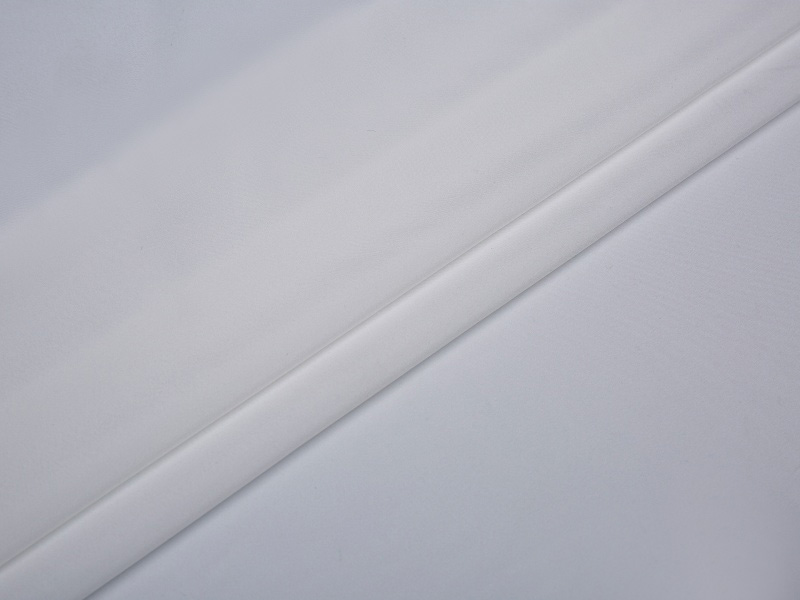
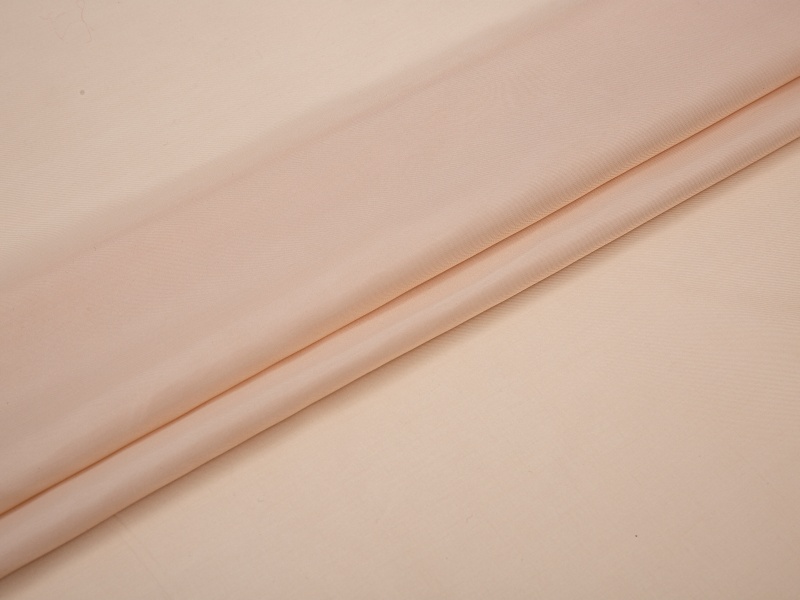
Plain-weave polyester lining is the most common choice for standard garment interiors. Because the interlacing is tight and the surface even, it glides easily against outer layers and does not cling to the body.
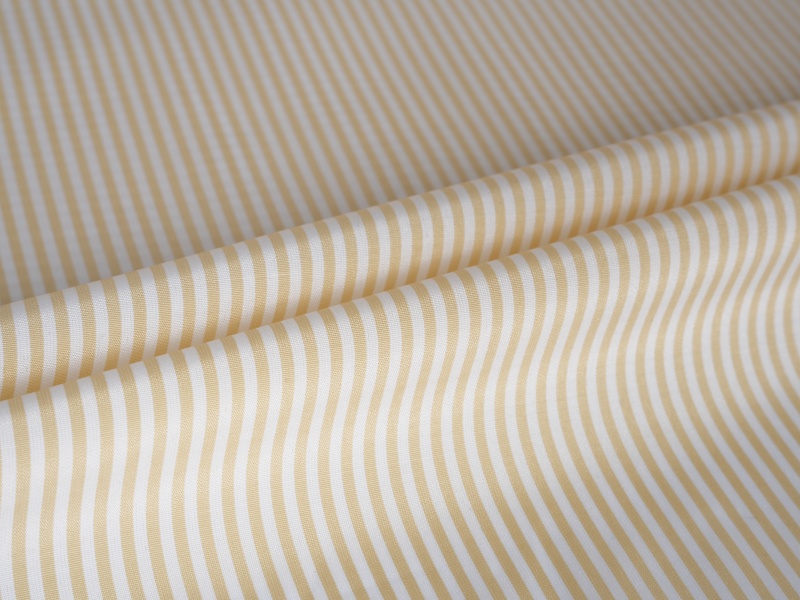
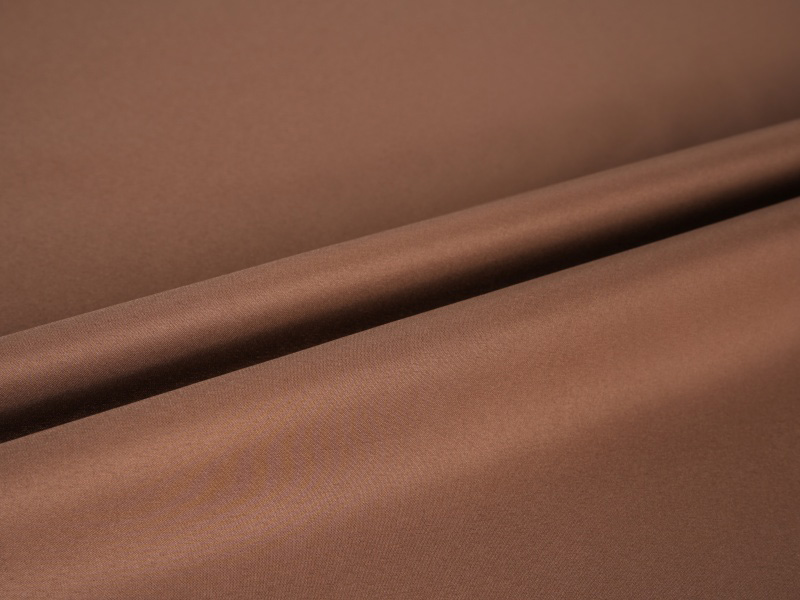 Polyester Plain Lining Fabric for Standard Garment InteriorsA smooth, even plain-weave polyester lining with soft hand and good color fastness, commonly used in suits and outerwear. Its low-profile surface ensures comfort and easy glide.View Product →
This weave is widely applied in suits, blazers, trousers, skirts, bags, and sleeve linings. When a garment needs a neat, low-profile interior at a balanced cost, plain polyester lining is usually the safest answer.
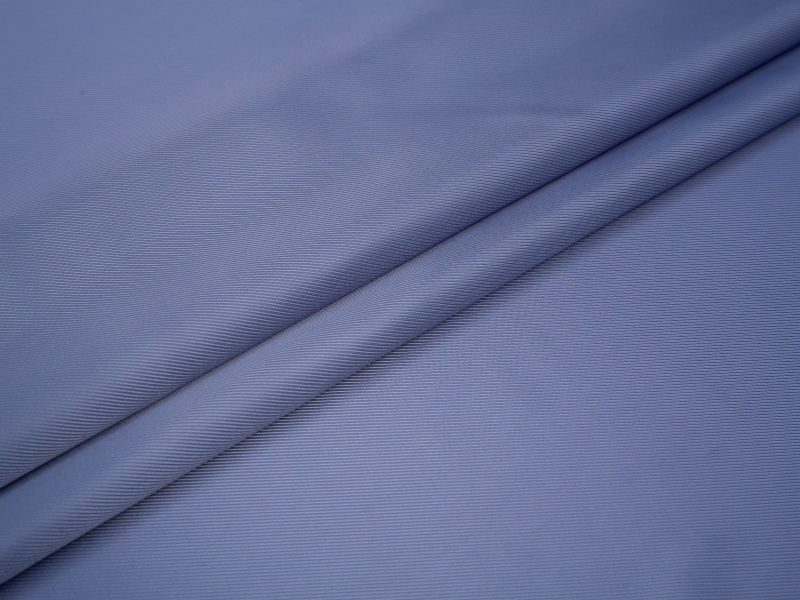
Twill-woven polyester lining has a distinct diagonal texture and a softer, fuller hand. The longer yarn floats distribute stress over a wider area, so twill resists tearing and abrasion better than a comparable plain weave.
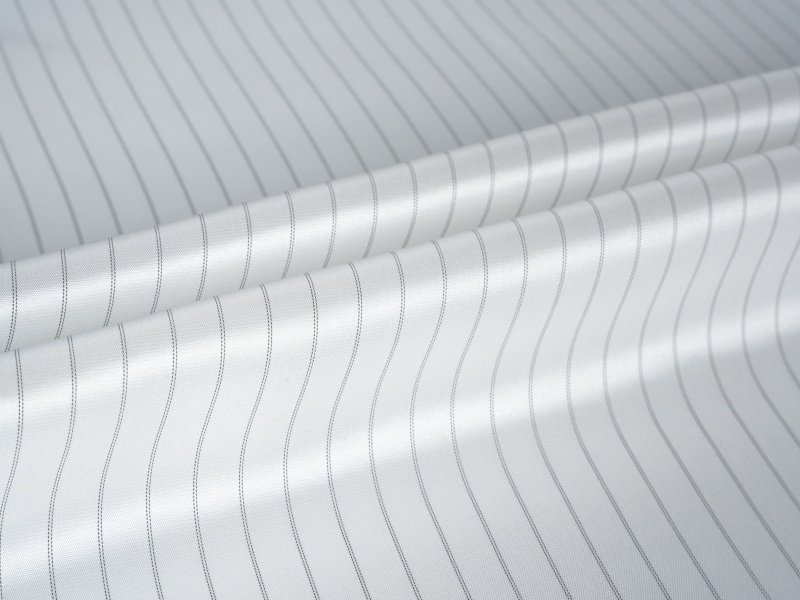
 Durable Polyester Twill Lining Fabric for High-Movement GarmentsA twill-woven polyester lining offering softness, anti-wrinkle performance, and abrasion resistance. Its diagonal texture distributes stress well, making it ideal for jackets and outerwear.View Product →
Designers often choose twill for leather garments, structured coats, tailored jackets, and outerwear that receives repeated movement and friction. If a garment will be worn close to the body for long hours, twill's softer contact and resilience make it a strong option.
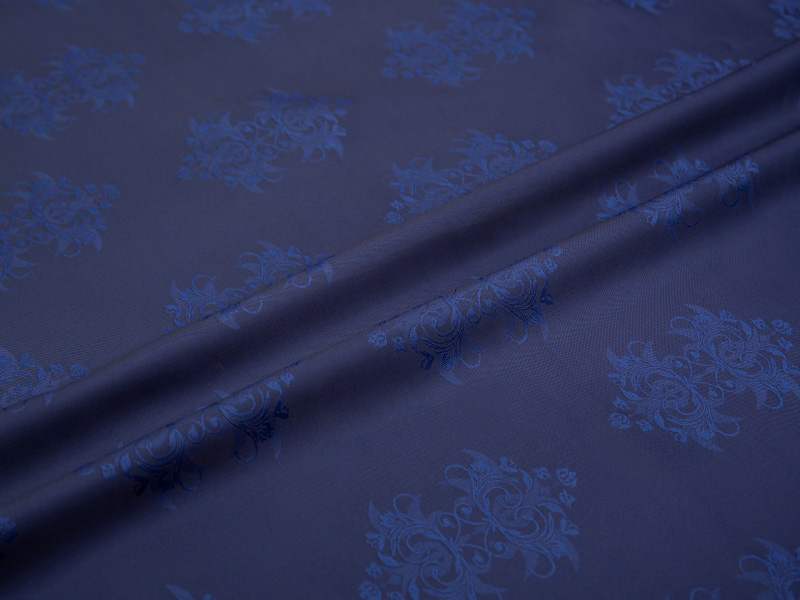
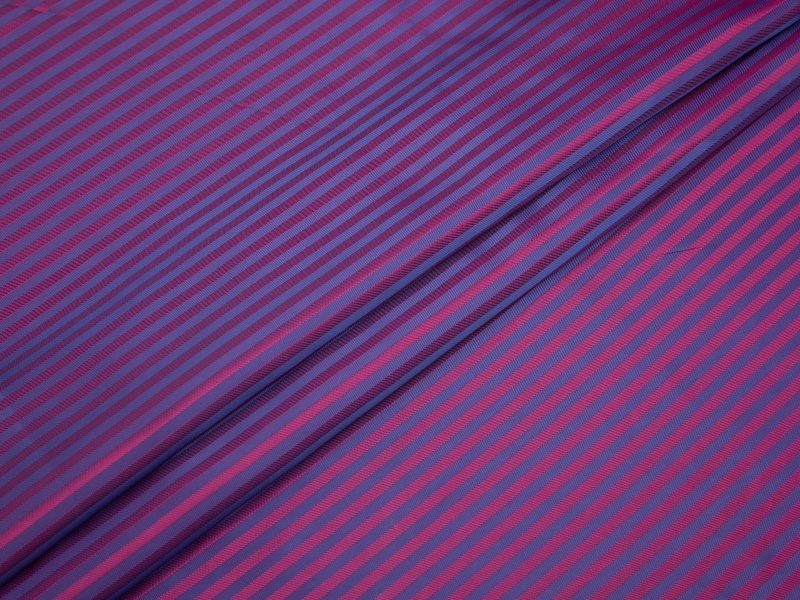
Jacquard polyester lining uses independently controlled warp threads to build raised or recessed motifs directly into the weave. The result is a lining with both a tactile and visual identity, ideal for garments where the interior is intentionally part of the design.
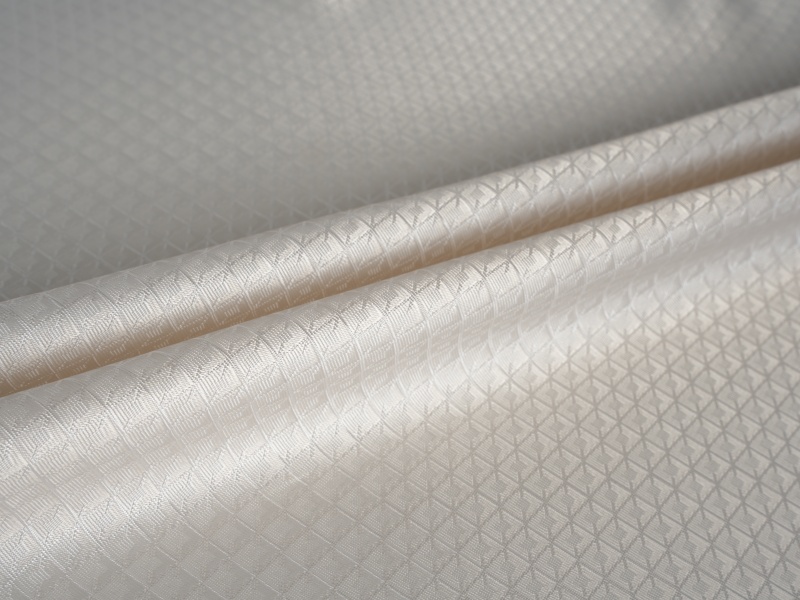 Polyester Jacquard Lining Fabric with Customizable PatternsA jacquard-woven polyester lining featuring detailed raised motifs, antistatic properties, and durability. Suitable for premium garments, it supports custom pattern personalization.View Product →
Jacquard linings appear most often in high-end suits, tuxedos, leather jackets, and couture pieces. Because the pattern is created during weaving, jacquard polyester lining can reproduce fine details with excellent precision.
| Weave | Surface | Durability | Drape | Typical Applications |
|---|---|---|---|---|
| Plain | Flat and smooth | Good | Crisp and neat | Suits, trousers, bags, general lining |
| Twill | Diagonal rib | Excellent | Soft and fluid | Coats, leatherwear, tailored jackets |
| Jacquard | Raised woven pattern | Very good | Fuller and structured | Premium suits, fashion garments, brand logos |
The comparison condenses the practical difference: plain is about order and economy, twill about endurance and drape, and jacquard about identity and decoration.
Weave tells part of the story, but the yarn completes it. Pure polyester lining is dimensionally stable, quick-drying, colourfast, and highly resistant to wrinkles. When viscose is blended with polyester, the lining gains a more breathable, skin-friendly touch and a softer drape while retaining enough synthetic strength to hold its shape.
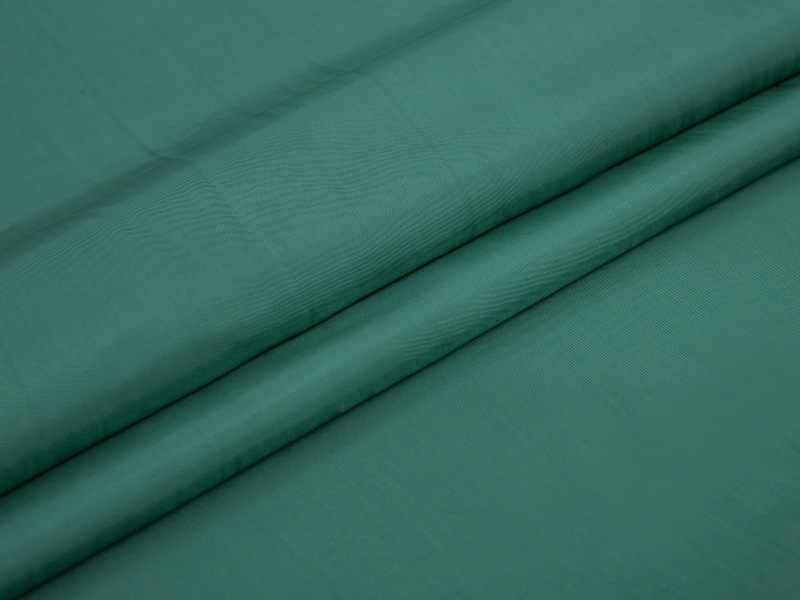
100% Polyester dimensionally stable, colourfast and easy care.
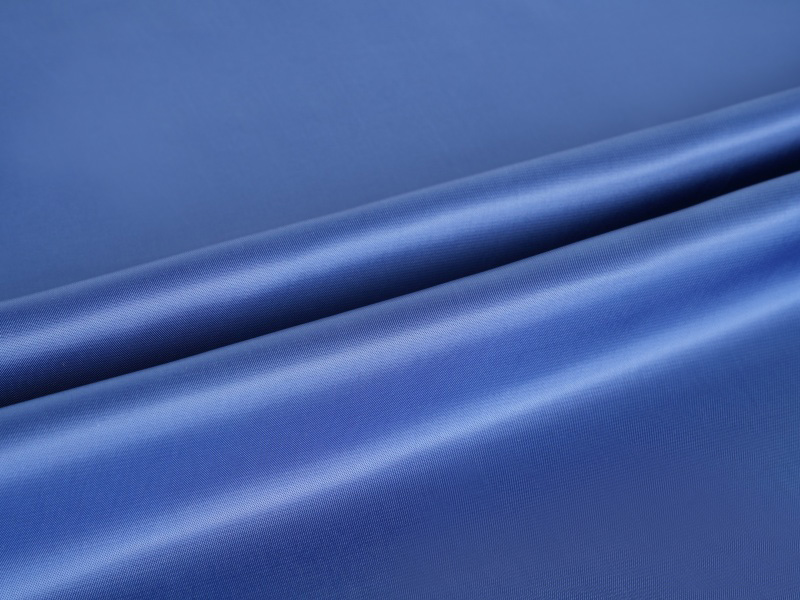
Polyester-Viscose breathable, skin-friendly and softer in drape.
This is why lining suppliers stock the same weave in different fiber compositions. A plain-woven 100% polyester lining suits cost-sensitive ready-to-wear garments, while the same plain construction in a polyester-viscose blend serves premium clothing that needs a more refined hand. For a closer look at how fiber blends and weave structures interact, see our polyester-viscose lining guide.
Ask these questions before ordering lining fabric:
In practice, the three weaves are tools rather than competitors. Many garment factories keep plain, twill, and jacquard polyester lining fabrics in their procurement library because each solves a different fitting or marketing problem.
Generally, yes. Twill's longer float reduces the number of interlacing points, allowing the fabric to absorb repeated friction and flexing without cracking along the yarn path. For this reason, twill is often selected for heavy coats, leatherwear, and frequently worn tailored jackets.
Jacquard weaving requires a loom that controls the warp individually for each pattern. Production is slower, setup is more complex, and the design is embedded in the fabric structure. The higher cost reflects the added loom time and the decorative value delivered to the finished garment.
Yes. Plain polyester lining has a smooth surface and low friction, which helps the arm pass through the sleeve without drag. It is a standard choice for suit sleeves, jacket arms, and coat interiors.
Look at the surface angle. Plain weave shows a flat grid-like texture with no visible diagonal. Twill shows an unmistakable diagonal line running from lower left to upper right, or in the opposite direction. Jacquard is easier to spot because it carries a woven pattern rather than a printed one.
A lining problem rarely comes from a single hand-feel issue. It comes from a mismatch between weave, fiber, and application. A reliable supplier should be able to move between plain, twill, and jacquard construction without changing the fiber base or quality level, and ideally should offer both 100% polyester and polyester-viscose versions in the same weave.
At Tongxiang Shunli Textile, the product line is organized around this exact matrix. The polyester lining range and polyester-viscose range both include plain, twill, and jacquard options, alongside specialized printed linings and yarn-dyed sleeve linings. This structure makes it easier for garment manufacturers to compare weaves under consistent quality control and to order the right construction for each garment in the collection.
Copyright © Tongxiang Shunli Textile Technology Co., Ltd. All Rights Reserved.Custom Clothing Lining Fabrics Manufacturers
