


 English
 Español
 Français
ADDRESS
- Zicun, Chongfu Town, Tongxiang City, Zhejiang Province, China.
CONTACT
- Tel: +0086-13857379100
- Fax: +0086-0573-89372132
- Email: [email protected]
 2026-06-10
 Industry news
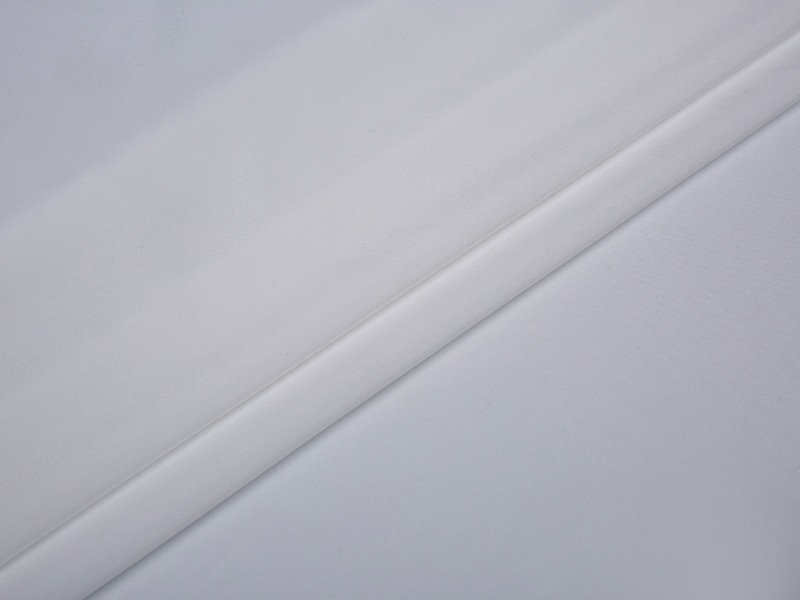
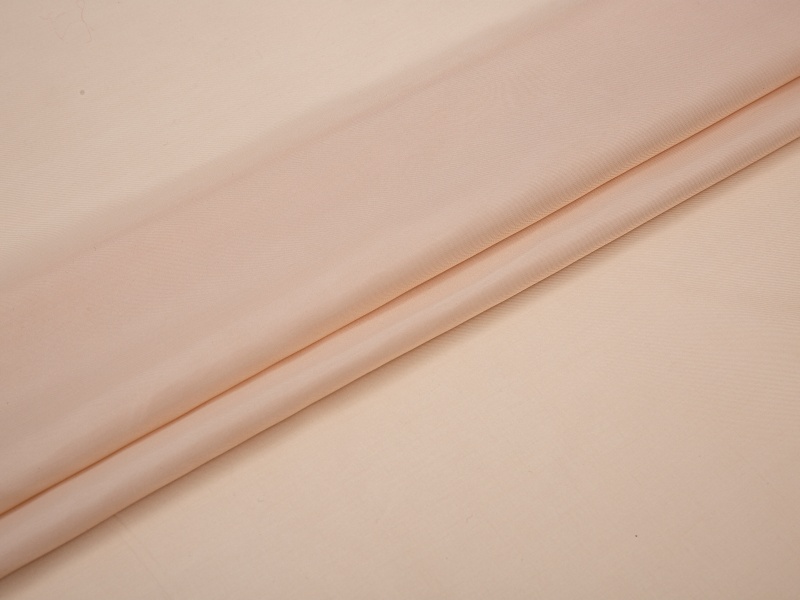
Polyester lining fabric is a woven or knitted textile made from polyester fiber, used to line the interior of garments, bags, footwear, and upholstered goods. It serves as the hidden layer between the outer shell and the wearer's body, improving comfort, structure, and durability. Polyester accounts for the majority of global lining fabric production due to its combination of low cost, dimensional stability, and ease of care.
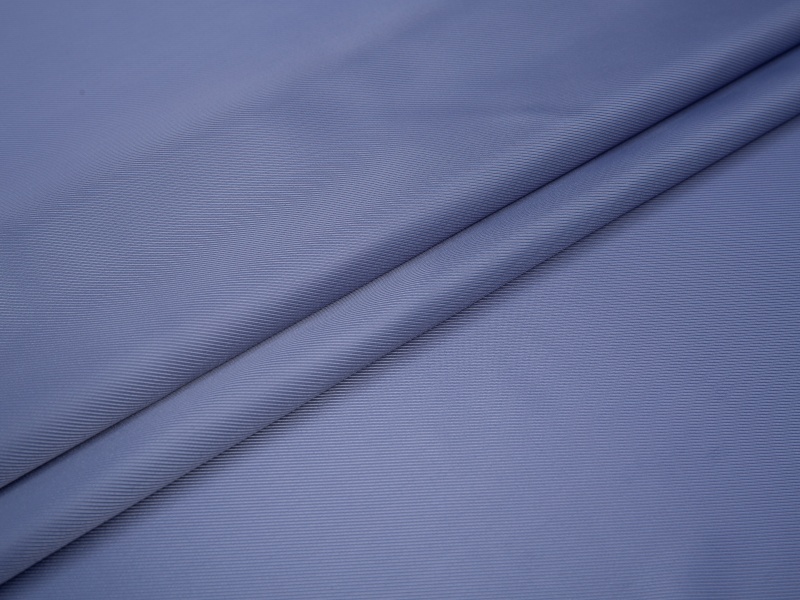
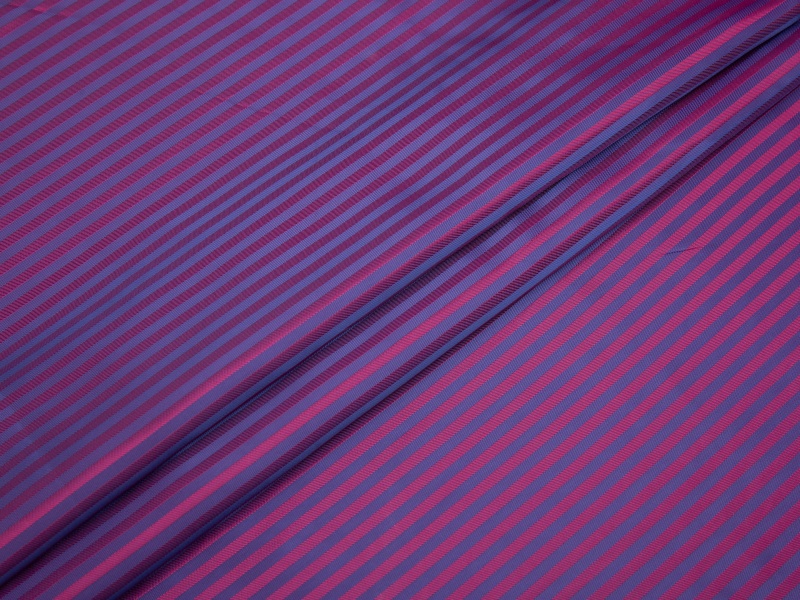
The most common construction is a plain-weave polyester taffeta, though twill weaves, satin weaves, and interlock knits are also widely used depending on the application. Fabric weight typically ranges from 40 gsm to 120 gsm, with lighter weights preferred for suit and shirt linings and heavier weights used in outerwear and luggage.
Different weave structures and finishing treatments produce lining fabrics suited to distinct end uses. The main categories include:
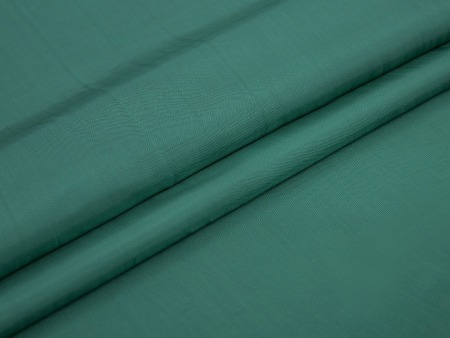
Suit lining fabric must satisfy a specific set of functional and aesthetic demands. In a well-constructed suit, the lining keeps the jacket's shape, reduces friction against shirts and blouses, conceals the internal construction, and contributes to the overall silhouette.
| Fabric Type | Composition | Hand Feel | Typical Price Tier | Best For |
|---|---|---|---|---|
| Polyester Taffeta | 100% Polyester | Crisp, smooth | Economy–Mid | RTW suits, uniforms |
| Polyester Satin | 100% Polyester | Silky, lustrous | Mid–Premium | Dress suits, blazers |
| Bemberg (Cupro) | 100% Cupro | Soft, breathable | Premium–Luxury | Bespoke, luxury RTW |
| Viscose Lining | 100% Viscose | Drapey, cool | Mid | Spring/summer suits |
| Poly-Viscose Blend | Poly + Viscose | Balanced | Mid | Year-round suits |
Lining fabrics used in leather garments — leather jackets, leather coats, and leather suit jackets — operate under different constraints than those in woven wool or cotton outerwear. The lining must compensate for leather's low breathability and manage heat and moisture buildup against the skin.
Leather has near-zero air permeability, meaning moisture vapor cannot escape through the shell. The lining is therefore the primary interface for thermal regulation. Key requirements for leather lining fabrics include:
Polyester satin and polyester taffeta dominate the leather jacket lining market due to their resistance to moisture degradation and low cost at scale. Viscose-based linings, while softer and more breathable, are more susceptible to humidity-related shrinkage and can deteriorate faster when repeatedly exposed to perspiration acids. For mid-market leather outerwear, polyester satin at 75–90 gsm with a moisture-wicking finish is the most common specification. Premium leather garments may use cupro or silk, valued for their natural breathability and luxury hand feel.
When sourcing polyester lining fabric for suits or leather garments at volume, the following technical parameters should be confirmed with the supplier before bulk orders:
Growing demand for sustainable apparel has pushed lining fabric development in two directions: recycled polyester (rPET) linings and bio-based alternatives. Recycled polyester linings, made from post-consumer PET bottles or reclaimed fiber, now account for a significant and growing share of the mid-market lining segment. Major certifications used in this space include GRS (Global Recycled Standard) and OEKO-TEX Standard 100, both of which are increasingly requested by European and North American brands in their supplier requirements.
For leather garment linings specifically, TENCEL™ lyocell linings have gained traction as a more sustainable, breathable alternative to conventional polyester. Lyocell is produced in a closed-loop solvent process with high biodegradability, and its moisture management properties make it a functional as well as ethical upgrade over standard polyester satin in premium leather outerwear. However, lyocell linings command a cost premium of roughly 30–60% over equivalent polyester fabrics and require more careful handling during cutting and sewing.
Copyright © Tongxiang Shunli Textile Technology Co., Ltd. All Rights Reserved.Custom Clothing Lining Fabrics Manufacturers
