

 English
 Español
 Français
ADDRESS
- Zicun, Chongfu Town, Tongxiang City, Zhejiang Province, China.
CONTACT
- Tel: +0086-13857379100
- Fax: +0086-0573-89372132
- Email: [email protected]
 2026-06-23
 Industry news
Rayon lining cloth fabric is a semi-synthetic textile produced from regenerated cellulose — most commonly derived from wood pulp or bamboo — and woven or knit into a smooth, lightweight fabric specifically engineered to line the interior of garments, footwear, bags, and upholstery. It is the most widely used lining material in global apparel manufacturing, valued for its silk-like drape, breathability, and low cost relative to natural silk or acetate alternatives.
The term "rayon lining" encompasses several fiber variants — viscose rayon, cupro (Bemberg), lyocell, and modal — all sharing the regenerated cellulose origin but differing in processing method, hand feel, and performance properties. When buyers and manufacturers refer to rayon lining cloth without qualification, they typically mean viscose rayon woven in a plain or twill construction, with a weight range of 40–80 g/m² and a smooth, slightly lustrous face.
Rayon is classified as a semi-synthetic fiber by the U.S. Federal Trade Commission: it originates from natural cellulose but requires significant chemical processing (the viscose or lyocell process) to produce the final fiber, distinguishing it from both fully synthetic fibers (polyester, nylon) and natural fibers (cotton, silk).
Lining fabric selection determines comfort, garment longevity, and price point. Rayon competes primarily with polyester, acetate, cupro, and silk in the lining market. Each has a distinct performance profile that makes it suitable for different end uses and price tiers.
| Parameter | Rayon (Viscose) | Polyester | Acetate | Cupro | Silk |
|---|---|---|---|---|---|
| Moisture absorbency | High (11–13%) | Very Low (0.4%) | Moderate (6%) | High (11%) | High (11%) |
| Drape & hand feel | Excellent | Moderate | Good | Excellent | Excellent |
| Breathability | High | Low | Moderate | High | High |
| Wet strength | Low (loses ~50%) | High | Low | Moderate | Low |
| Cost (relative) | Low–Medium | Lowest | Medium | Medium–High | Highest |
| Biodegradability | Yes | No | Partial | Yes | Yes |
Polyester lining dominates the fast-fashion and workwear segments due to its durability and low cost, but its poor moisture management causes discomfort in warm climates — a significant trade-off that drives brand specifiers toward rayon for tailored outerwear, suit jackets, and occasion wear. Cupro (Bemberg) is the closest performance peer to rayon lining, offering superior softness and antistatic properties, but it commands a 3–5× price premium that limits its use to luxury garments.
Rayon lining cloth fabric is produced in several weave constructions and fiber blends, each engineered for specific garment applications and manufacturing requirements.
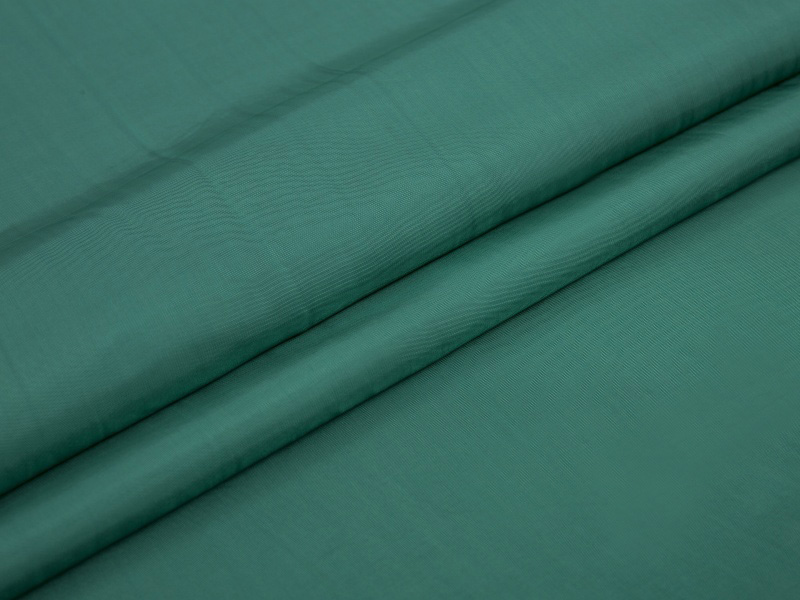
The most basic and widely produced construction. Warp and weft yarns interlace in a 1×1 pattern, producing a smooth, stable fabric with good dimensional control. Standard weights run from 40 g/m² (ultra-lightweight, for blouses and silk-weight jackets) to 70 g/m² (medium-weight, for coats and structured blazers). Plain weave rayon is easy to cut and sew, drapes cleanly against the outer shell fabric, and is available in the widest color range of any lining construction.
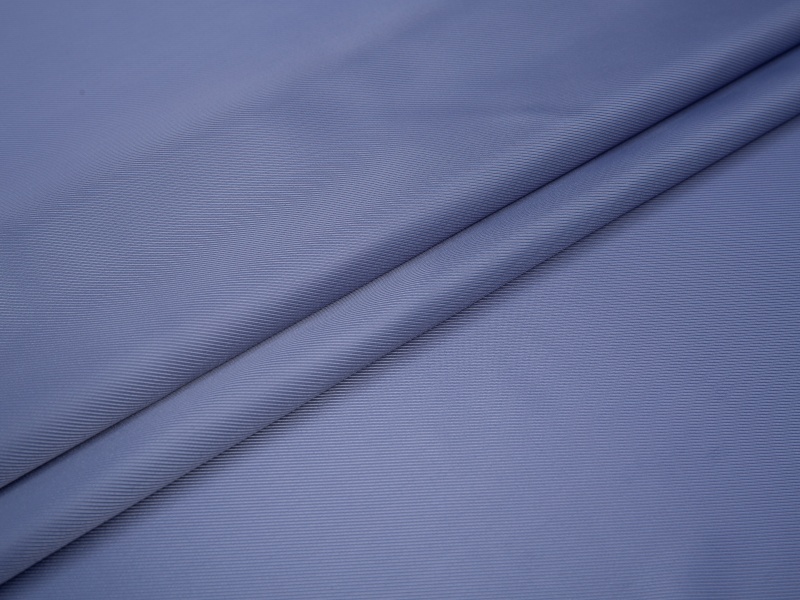
A 2×1 or 3×1 diagonal interlace structure produces a fabric with a subtle diagonal rib visible on the face. Twill rayon lining is more flexible than plain weave and has a slightly higher tear resistance, making it preferred for lined trousers, skirts, and garments that require the lining to flex repeatedly at stress points. The diagonal structure also has a natural bias stretch that accommodates body movement without bunching.
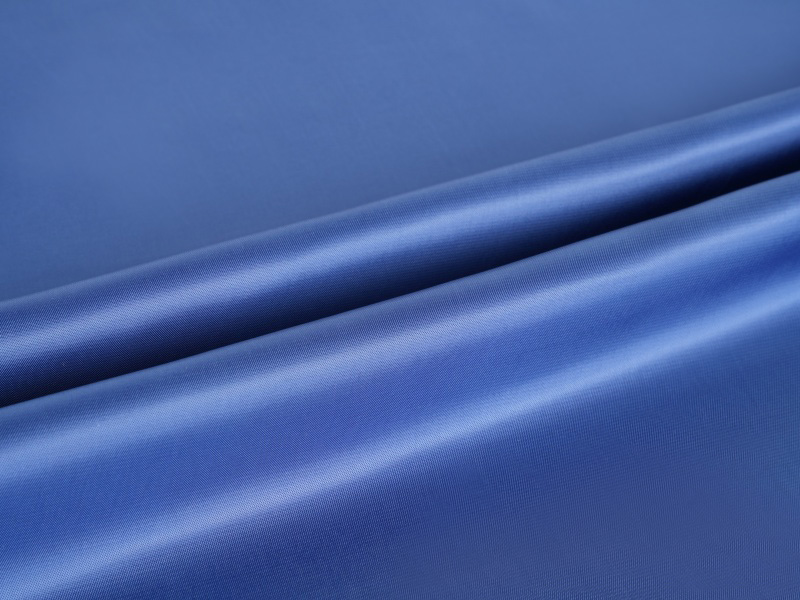
Satin weave — where warp yarns float over multiple weft yarns before interlacing — creates a face with maximum yarn surface exposure, producing a pronounced luster. Rayon satin lining (also called "rayon charmeuse lining" in some markets) is used in formal wear, eveningwear, and luxury outerwear where a visible flash of sheen at the garment interior signals quality. Satin weave rayon is more slippery and requires careful handling during cutting and sewing.
Blending rayon with 20–35% polyester significantly improves wet strength and dimensional stability without sacrificing the soft hand and breathability that make rayon preferred over 100% polyester. R/P blend linings are the dominant choice for machine-washable ready-to-wear — the polyester component prevents the shrinkage and strength loss that pure viscose rayon suffers when wet. Typical constructions are 65% rayon / 35% polyester or 80% rayon / 20% polyester in plain weave at 50–65 g/m².
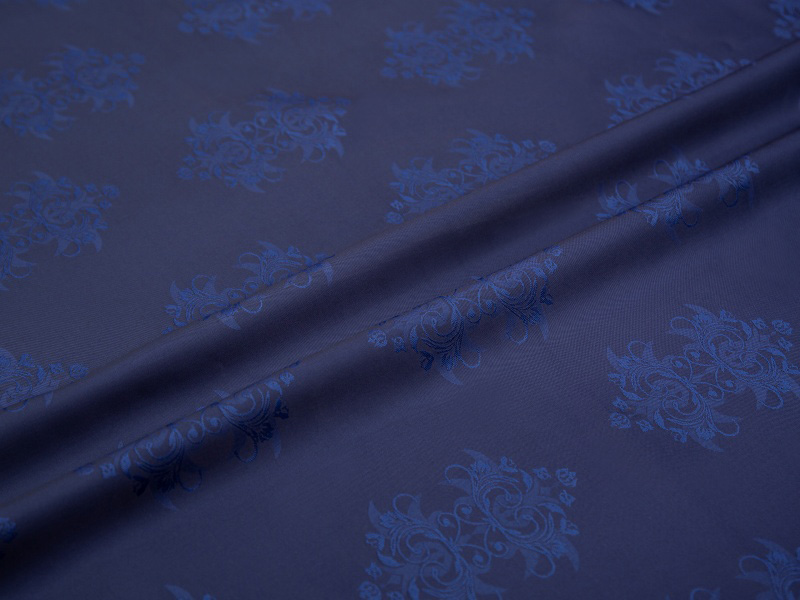
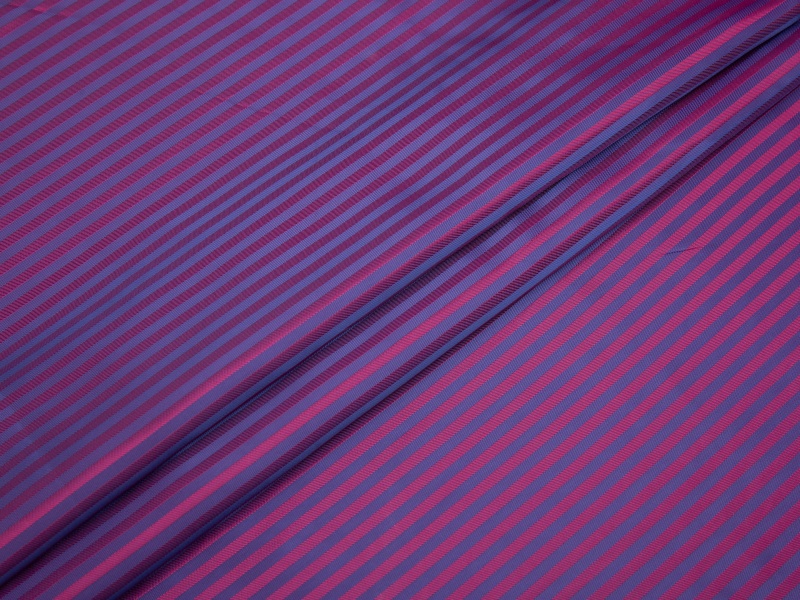
Rayon accepts reactive and acid dyes with exceptional depth and brilliance — a characteristic that makes it the substrate of choice for printed lining fabrics. Paisley prints, brand monograms, and floral patterns are common in tailored jacket linings for menswear houses. Jacquard-woven rayon lining — where the pattern is woven in rather than printed — commands a higher price and is used in heritage suiting brands as a signature interior detail.
Rayon lining cloth is specified across a broad range of end products, with application requirements driving construction, weight, and finish selection.
Specifying rayon lining cloth for a production run requires quantified performance targets, not just descriptive terms. The following properties are routinely tested and cited in lining fabric technical data sheets.
Tested per ASTM D5034 (grab method) or ISO 13934-1. Viscose rayon lining at 60 g/m² typically shows warp tensile strength of 180–250 N and weft strength of 140–200 N. Wet tensile strength drops significantly — often to 40–60% of dry values — which is why garment care instructions for viscose-lined garments specify dry cleaning or gentle machine wash cold.
Rayon accepts dye with excellent initial depth, but fastness to washing, perspiration, and rubbing requires careful dye selection. ISO 105-C06 washing fastness ratings of 4–5 are achievable with reactive dyes on viscose; acid dyes used for bright shades may rate 3–4. ISO 105-E04 perspiration fastness (acid and alkaline) is particularly important for linings in body-contact garments.
Viscose rayon is notorious for shrinkage in washing — typical values are 3–8% warp shrinkage and 2–5% weft shrinkage after a single 30°C wash cycle. Fabric is commonly pre-washed or sanforized during finishing to bring residual shrinkage below 3% × 3% for washable garment applications. Rayon-polyester blends reduce residual shrinkage to 1–2% in both directions.
Untreated rayon lining can build static charge in dry-air environments, causing it to cling to the outer shell fabric or to hosiery. Topical antistatic finishes (quaternary ammonium compounds or conductive carbon coatings) reduce surface resistivity from >10¹² Ω to below 10⁸ Ω. Cupro lining has inherent antistatic performance due to its moisture content; rayon lining must be chemically treated to achieve comparable results.
Smooth, low-friction lining fabrics are prone to seam slippage — where yarns migrate away from a sewn seam under stress. ASTM D434 or BS 3320 testing is used to verify seam resistance. Lining fabrics with seam slippage resistance below 6 mm at 200 N load are generally considered unsuitable for structured tailoring. Tighter weaves and higher thread counts improve seam slippage resistance.
Viscose rayon production has historically faced environmental scrutiny due to the chemicals used in the viscose process — carbon disulfide (CS₂) and sodium hydroxide — and the source of cellulose pulp, which has been linked to deforestation in sensitive ecosystems in some supply chains.
The industry has responded with several certified alternatives:
Key certification to request from suppliers: OEKO-TEX Standard 100 certification verifies that rayon lining fabric has been tested for harmful substances — including residual CS₂, formaldehyde, and heavy metals — and meets safety limits for skin contact. Class I certification covers products for infants; Class II for garments with direct skin contact.
When placing an order or evaluating supplier samples, procurement teams should document and confirm the following parameters to avoid costly substitutions or quality failures at the garment manufacturing stage.
Copyright © Tongxiang Shunli Textile Technology Co., Ltd. All Rights Reserved.Custom Clothing Lining Fabrics Manufacturers
