


 English
 Español
 Français
ADDRESS
- Zicun, Chongfu Town, Tongxiang City, Zhejiang Province, China.
CONTACT
- Tel: +0086-13857379100
- Fax: +0086-0573-89372132
- Email: [email protected]
 2026-11-16
 Industry news
A heavy-duty jacket lives a rough life. It is stretched across the shoulders, pulled on and off, and rubbed against tool belts and seatbelts. The outer shell gets the attention, but the lining shares the load, and the first place a hard-wearing jacket often fails is the seam line, where the lining fabric slips away from the stitches. For polyester lining fabrics used in heavy-duty jackets, seam slippage resistance is therefore not a nice-to-have specification.
ASTM D434 remains the standard shorthand for the test method that measures how well a lining fabric holds its seam under tension, and it is the reference most buyers still request.
Seam slippage, sometimes called seam grinning or yarn slippage, occurs when warp or weft yarns slide sideways along a sewn seam under tension. The sewing thread does not break, and the fabric does not tear. Instead, the yarns shift away from the stitch line, opening a visible gap beside the seam. In a garment lining, that gap exposes seam allowances, creates a snag point for clothing layers, and grows wider every time the jacket is stressed.
In a heavy-duty jacket, the highest-risk zones are the sleeve cap, armhole, side seam, and shoulder seam. Every reaching, lifting, or bending movement puts these seams under repeated tensile stress. When lining yarns slip in these areas, the jacket loses its internal structure, interlinings become exposed, and the service life of the garment drops sharply.
ASTM D434, officially known as the Standard Test Method for Resistance to Slippage of Yarns in Woven Fabrics Using a Standard Seam, has long been the reference method for evaluating seam slippage in woven apparel fabrics. The method has evolved through repeated revisions, and its core principles now also appear in newer standards such as ASTM D1683. Even so, many lining buyers and quality teams around the world still specify ASTM D434 as the shorthand name for seam-slippage testing of polyester lining fabrics.
For heavy-duty jacket linings, a common commercial expectation is a seam opening of 3 mm or less at the agreed test load. Values above 6 mm indicate a high risk of visible seam gapping in real use.
The final number depends on much more than fiber content. Fabric construction, yarn texture, weave density, finishing chemistry, and even the seam specifications used in the test all influence the result. This is why two polyester lining fabrics can look similar but perform very differently in an ASTM D434 seam test.
Polyester is the default choice for heavy-duty jacket linings because it combines high tensile strength, low moisture absorption, and excellent dimensional stability. These properties keep the lining from stretching out of shape or shrinking into the seam over time. The filament yarns used in most polyester linings have a smooth surface, however, so without the right weave engineering, yarns can slide easily. The solution lies in fabric construction.
Plain weaves create the most interlacing points and therefore offer the highest resistance to yarn slippage. Twill weaves hold a practical middle position: they lock yarns well enough to satisfy demanding seam-slippage requirements while giving the lining the softer drape and smooth hand expected in a quality jacket. Satin weaves, with their long floats and few interlacings, are the most vulnerable to seam slippage and are rarely chosen for heavy-duty jackets unless specially stabilized.
Thread density is equally important. A higher number of warp and weft yarns per unit area means more friction between yarns and fewer opportunities for movement. It is useful to review how polyester lining fabric types differ before finalizing a specification, because weave, density, and yarn type must be matched to the performance level of each jacket style.
| Fabric Factor | Impact on Seam Slippage |
|---|---|
| Satin weave | Long floats, fewer interlacing points, higher slippage risk |
| Twill weave | Balanced interlacing, good seam stability |
| Plain weave | Dense interlacing, highest slippage resistance |
| Softening finish | Reduces yarn friction, increases slippage risk |
Finishing is the hidden variable. Some softening agents coat the yarn surface and lower friction to a level where yarns begin to slide under load. Experienced lining producers balance softness against stability so the final fabric stays pleasant to the touch without sacrificing seam performance.
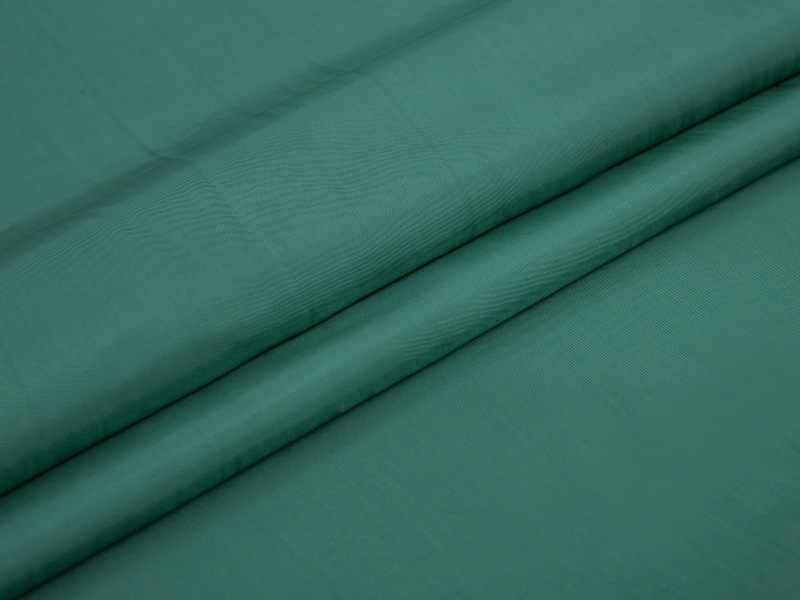
For technical designers who need a lining that passes strict seam tests and still feels comfortable inside a heavy jacket, polyester twill lining is the most balanced option. The twill geometry controls yarn movement effectively while preserving the flexibility a jacket needs across the shoulders and arms.
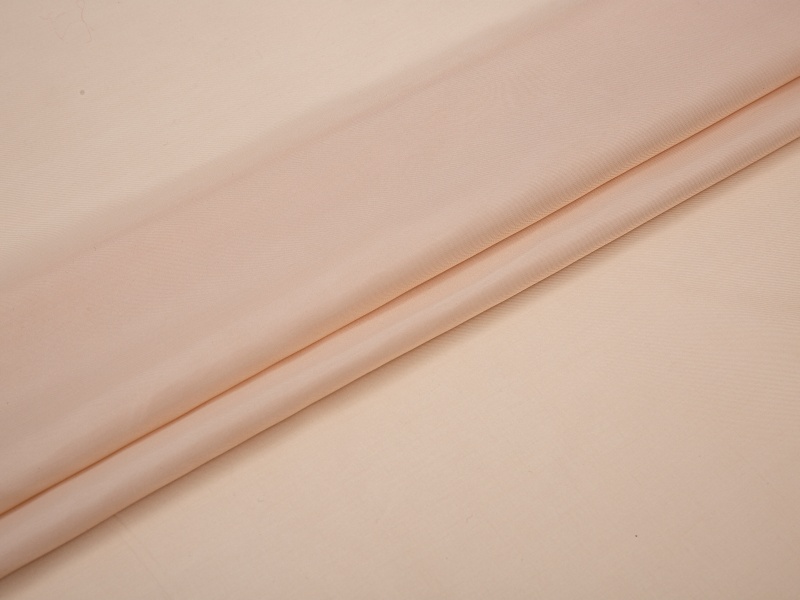
 Polyester Twill Lining Fabric for Jacket Seam IntegrityThis 100% polyester twill lining balances structural stability with flexibility, making it a reliable choice for meeting ASTM D434 seam-slippage requirements while keeping the jacket comfortable across shoulders and arms.View Product →
When a jacket specification calls for ASTM D434-style seam-slippage compliance, lining selection should be based on measurable parameters rather than hand feel alone. These are the key points to verify with your fabric supplier.
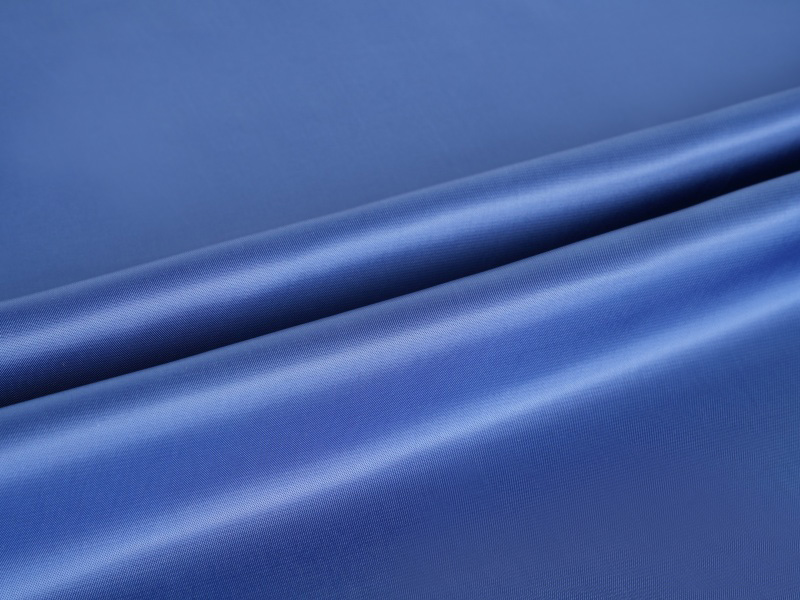
Movement is another factor in heavy-duty design. A polyester stretch lining fabric incorporates elastane into the weave, allowing the lining to extend with the body during reaching and lifting movements. This flexibility reduces the tension that reaches the seam line and is one of the most effective ways to prevent seam opening in active-use jackets.
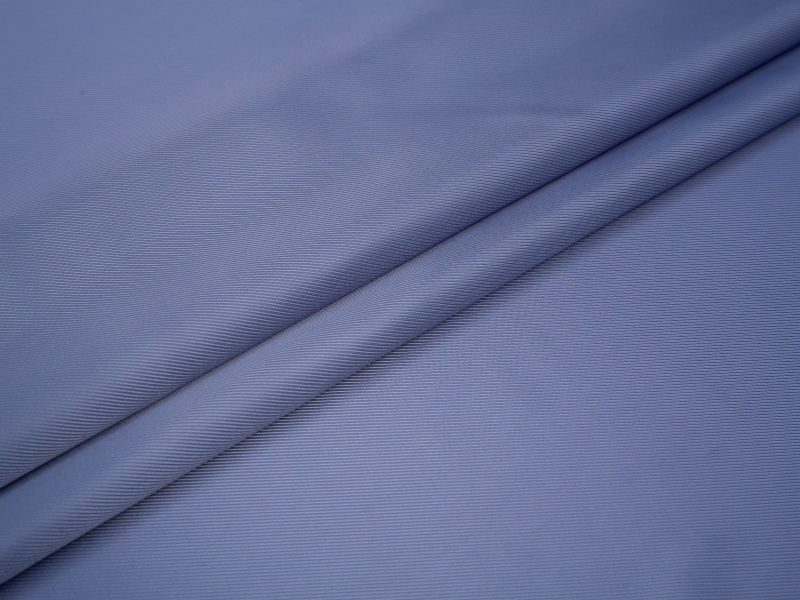
 Polyester Stretch Lining Fabric with Elastane for Active JacketsFeaturing elastane in its weave, this stretch lining extends with body movement, reducing tension on stressed seams. It is ideal for sleeves and active-use jackets where flexibility prevents seam opening.View Product →
Sleeve linings need special consideration. The sleeve insertion seam is one of the most stressed seams in any jacket, and the lining inside a sleeve also rubs against the outer fabric with every arm movement. A purpose-built polyester yarndyed sleeve lining is woven with tightly controlled density to handle this combination of bending stress and abrasion.
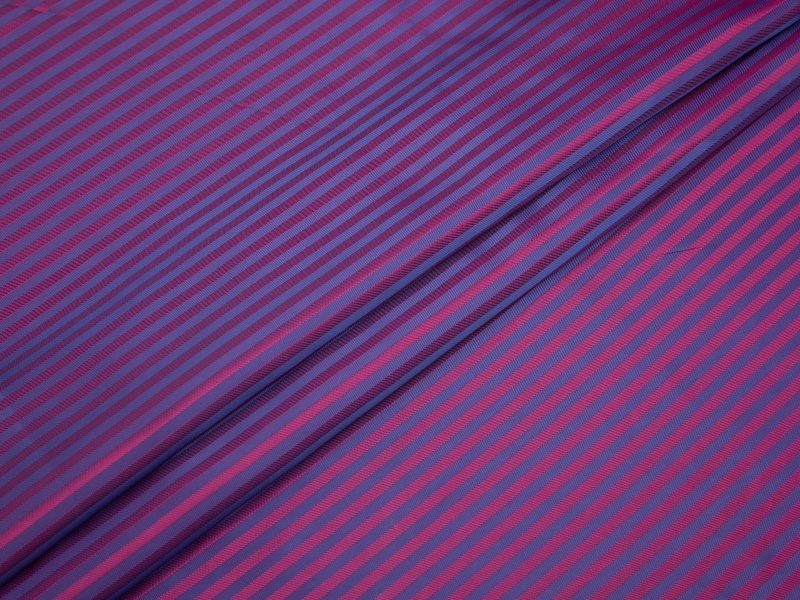
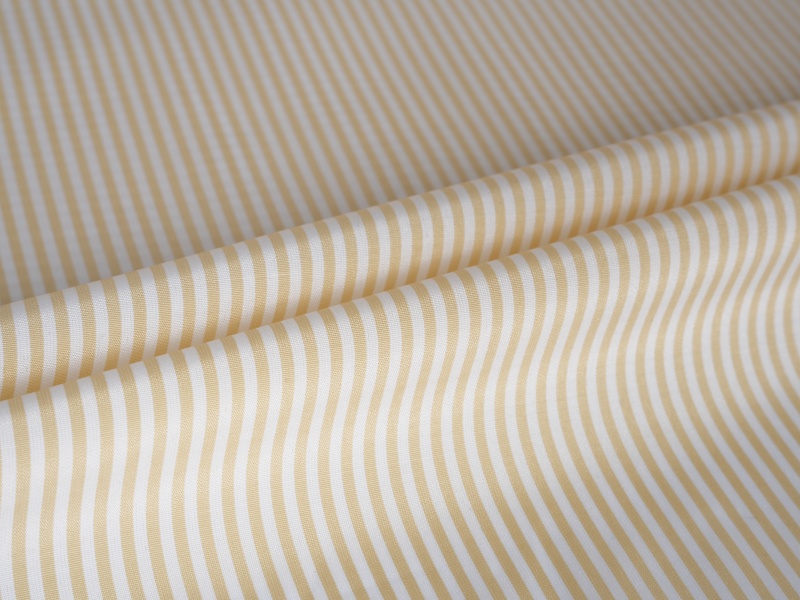
 Polyester Yarn-Dyed Sleeve Lining Fabric for Heavy-Duty JacketsPurpose-built for sleeves, this tightly controlled yarn-dyed lining withstands bending stress and abrasion from arm movement, ensuring durable seam performance and maintaining color and shape after repeated wear.View Product →
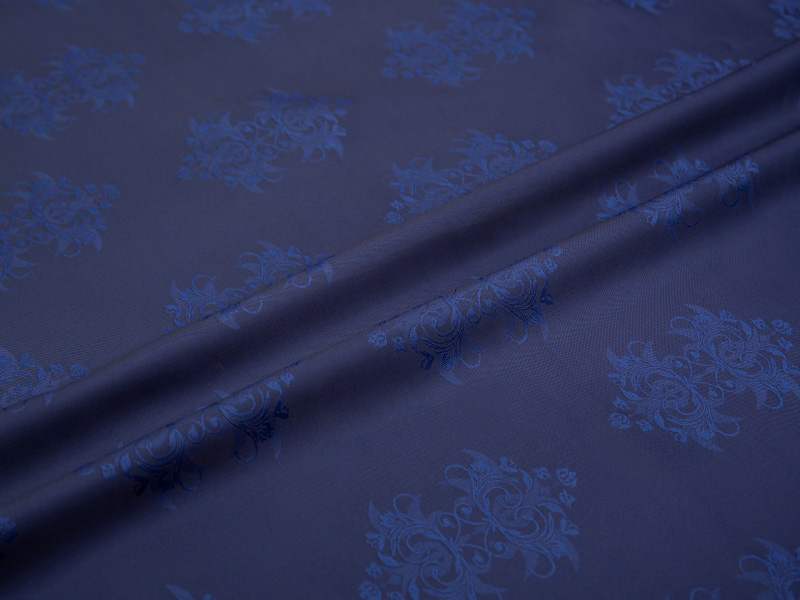
Tongxiang Shunli Textile has manufactured high-end garment lining fabrics since 2001 at our production base in the Zhejiang textile region. Our polyester lining range includes plain, twill, jacquard, stretch, and yarndyed sleeve linings, and each construction is engineered with seam integrity in mind before it reaches the cutting table.
Seam slippage resistance cannot be added at the end of the production line. It has to be designed into the fabric from the yarn forward and maintained through weaving and finishing. In our factory, quality control starts with incoming polyester yarns, where count, twist, and tensile properties are verified. In-line monitoring then tracks weave density and fabric weight to ensure every meter stays inside specification.
Each lining production lot is checked for seam integrity using a method consistent with the ASTM D434 approach before shipment. This discipline is the same reason our linings meet the European environmental and quality expectations that many international buyers require. A lining that passes a seam-slippage check will keep its structure across thousands of wear cycles, which is precisely what a heavy-duty jacket needs.
When you specify a lining for a heavy-duty jacket, do not leave seam performance to chance. Ask for seam test data, verify the weave and density, and choose a supplier that treats seam safety as an engineering requirement rather than a sales claim.
Seam tearing happens when the fabric itself breaks or the sewing thread ruptures under excessive load. Seam slippage is different: the thread stays intact, and the yarns shift sideways away from the stitch line. Slippage appears as a gap beside the seam, while tearing appears as a split through it.
For demanding applications such as workwear or outdoor jackets, a seam opening of 3 mm or less at the agreed test load is considered excellent. Openings between 3 mm and 6 mm may suit lighter outerwear, while anything above 6 mm indicates a high risk of visible seam gapping in service.
Once yarns have slipped along a seam, the fabric structure is permanently displaced. Extra stitching or fusing may slow further movement, but it cannot restore the original inter-yarn friction. The practical solution is to choose a lining with verified seam-slippage resistance before production begins.
Not necessarily. A well-engineered polyester lining achieves seam stability through weave design, yarn texture, and controlled finishing rather than through stiffening agents. Twill and textured-yarn constructions can deliver softness and seam security at the same time, which is why they are preferred for premium heavy-duty jacket linings.
Copyright © Tongxiang Shunli Textile Technology Co., Ltd. All Rights Reserved.Custom Clothing Lining Fabrics Manufacturers
