


 English
 Español
 Français
ADDRESS
- Zicun, Chongfu Town, Tongxiang City, Zhejiang Province, China.
CONTACT
- Tel: +0086-13857379100
- Fax: +0086-0573-89372132
- Email: [email protected]
 2026-11-05
 Industry news
When a winter coat leaves the factory floor, the lining is the last thing the wearer sees before putting it on, yet the first thing they feel. For garment manufacturers and designers, lining selection is a technical decision that affects durability, comfort, and perceived quality. High-density polyester twill lining fabric is a trusted choice for winter coats and down jackets because it combines two properties that are difficult to deliver in a single textile: abrasion resistance and down-proof performance. This article explains how the fabric delivers both, and how to specify it with confidence.
A soft, slippery hand feel is not enough when the garment is designed for cold weather. The lining of a winter coat must endure repeated friction from layering sweaters, sleeve movement, and contact with rough outer fabrics. At the same time, it must prevent the filling material, particularly down and feather, from migrating through the fabric.
Winter coat linings face very different stresses than suit linings:
In this context, fabric density and weave structure matter more than surface softness alone. A lining that looks elegant in the showroom can fail within a single season if its construction is too loose for winter wear.
High-density polyester twill lining fabric is a lining material woven from polyester yarns in a twill construction, with significantly more warp and weft yarns per unit area than conventional lining fabrics. "High density" means that the yarns are packed tightly in both directions, producing a firmer, more compact surface than a standard lining.
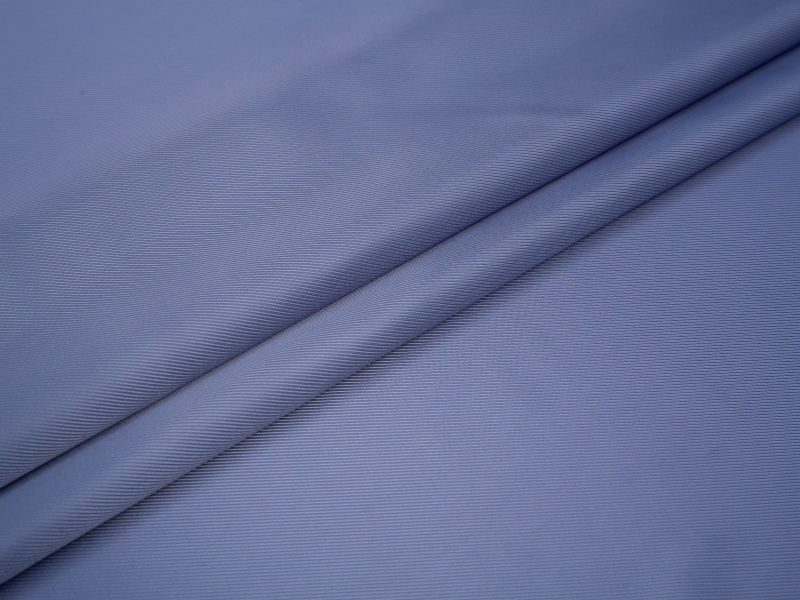
Twill weave is easily recognized by its diagonal rib lines. In a twill weave, each warp yarn floats over two or more weft yarns in a staggered sequence, so the interlacement pattern shifts by one yarn on every successive row. This structure creates a smooth surface, a stable hand, and good drape.
Fiber Content
100% polyester, or a polyester-viscose blend
Weave Type
2/1 or 2/2 twill
Density
Higher than standard lining fabrics
Key Functions
Abrasion resistance and down-proof performance
The combination of twill geometry and high density is what allows the fabric to perform well in both abrasion testing and down-proof testing. For a closer look at how twill compares with plain weaves, see our guide to polyester plain and twill lining fabrics.
Abrasion resistance is the ability of a fabric to withstand surface wear without pilling, thinning, or developing holes. For linings, this matters most in the sleeves, underarms, and hem, where the fabric rubs against itself and other garments for hours at a time.
High-density polyester twill resists abrasion through two complementary mechanisms. The first is the twill structure itself. The floating yarns in a twill weave create longer support lines that spread stress over a broader area, preventing the fabric from concentrating wear at a single point. Compared with a plain weave of identical density, twill tends to stay intact under repeated rubbing while retaining flexibility.
The second mechanism is density. When warp and weft yarns are packed closely together, each yarn is supported by its neighbors. This reduces the exposure of individual yarns to direct friction and keeps the fabric surface stable under stress. The result is a lining that does not develop the fuzzing, pilling, or small holes commonly seen in lightweight linings after a season of wear.
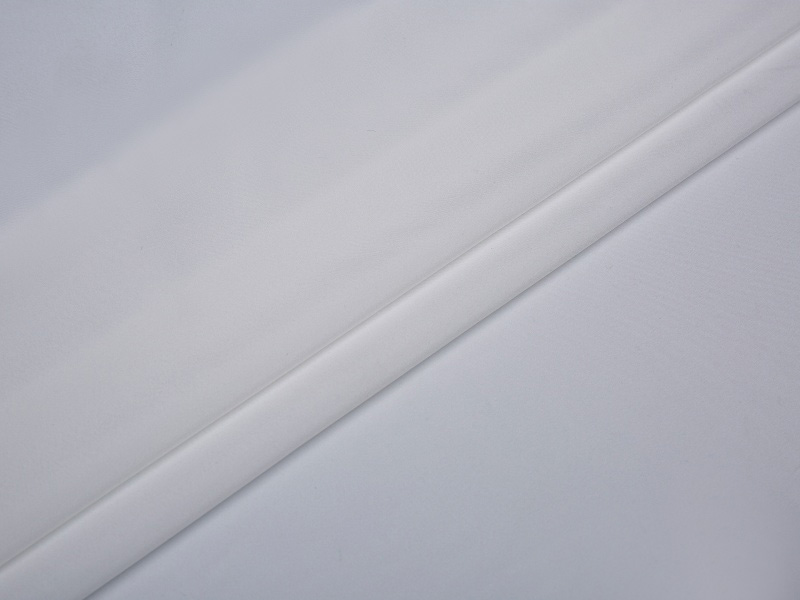
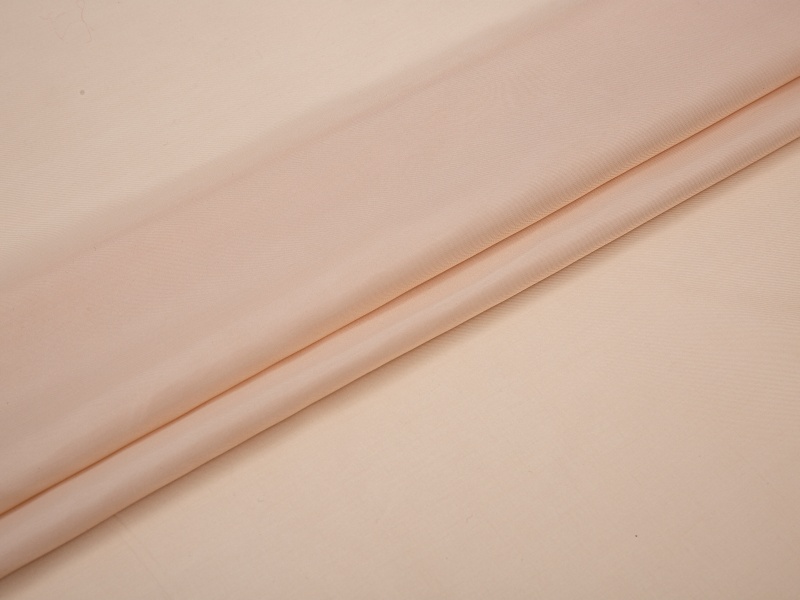
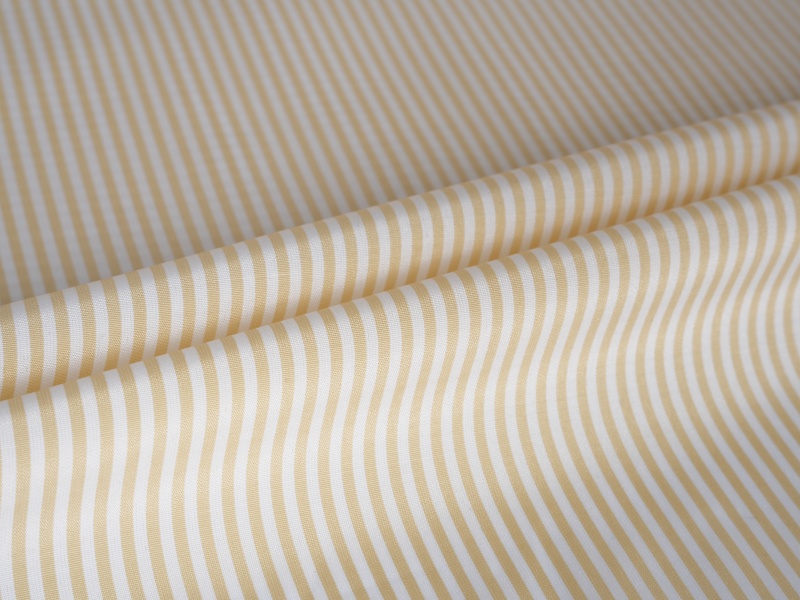
 All-Polyester Twill Lining with Durable Structure and Wrinkle ResistanceThis 100% polyester twill lining offers dense yarn packing for abrasion resistance and shape retention. Its wrinkle-resistant, lightweight hand makes it a practical choice for garments needing stable lining performance through repeated wear and cleaning.View Product →
Polyester itself reinforces these advantages. The fiber has naturally low moisture absorbency and a resilient structure, which help the fabric keep its shape and surface quality through washing, dry cleaning, and daily wear.
Down-proof performance is the ability of a fabric to prevent down and fine feathers from passing through its structure. For down jackets, parkas, and insulated winter coats, it is one of the most important quality criteria. If the lining fails this test, down fibers migrate to the surface, the garment loses insulation over time, and loose feathers appear on the wearer's clothing.
For a fabric to be truly down-proof, the gaps between yarns must be small enough to block the passage of fine down filaments. High-density polyester twill achieves this in two ways:
A lining is only as down-proof as its weave is tight. Density is the decisive factor, and the twill structure reinforces that barrier.
Down-proof performance is verified by laboratory tests that measure air permeability and count the number of down particles that pass through a fabric sample under controlled pressure. Specifiers should always request test data for the exact product. The table below compares typical lining constructions for winter garments.
| Lining Construction | Typical Density | Abrasion Resistance | Down-Proof Performance | Recommended Use |
| Standard plain weave | Low | Fair | Poor | Light jackets, blazers |
| High-density plain weave | High | Good | Moderate | Shirts, light outerwear |
| High-density polyester twill | Very high | Excellent | Excellent | Winter coats, down jackets |
| Polyester-viscose twill | High | Good | Good | Premium coats and suits |
A high-density lining cannot be stiff, sticky, or noisy. If it is, the coat will be uncomfortable even when its technical performance is correct. Comfort depends on surface friction, breathability, and the interaction between the lining and the wearer's other clothing.
Polyester twill has a naturally smooth surface that allows the garment to slide easily over knitwear and dress layers. In high-density variants, this smoothness also reduces the buildup of static electricity in dry winter conditions, which limits cling and makes the coat more comfortable throughout the day.
Breathability is a separate consideration. Polyester is hydrophobic, but in a dense twill construction the tightly packed yarns form a wind-resistant barrier that helps retain body heat without creating a clammy feeling. Yarn selection and finishing control the final hand feel, so the material stays soft and flexible while remaining dense.
For premium outerwear, many manufacturers choose a twill lining blended with viscose to improve moisture-related comfort and give the lining a more natural, luxurious hand.
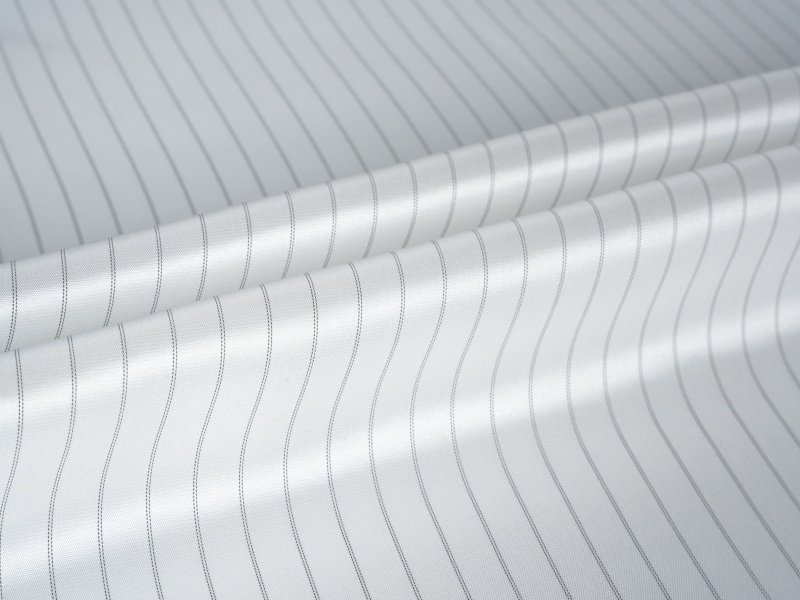
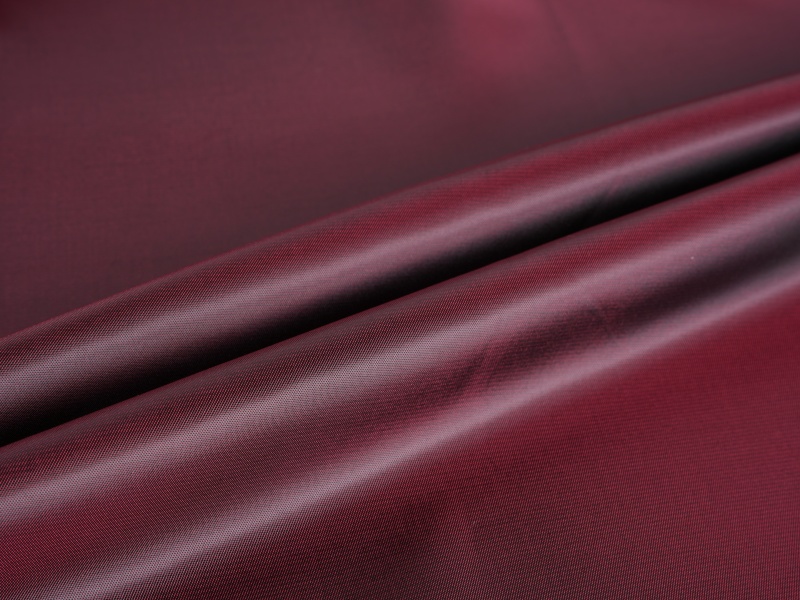 Polyester-Viscose Twill Lining for Breathable Comfort and Soft TouchThis blended twill lining combines polyester durability with viscose's moisture absorption and breathability. The soft, slightly textured surface enhances comfort in premium outerwear, while the twill construction maintains down-proofness and abrasion resistance for long-lasting use.View Product →
This blended twill maintains good abrasion and down-proof performance while offering better breathability and skin comfort.
Sourcing high-density twill lining requires more than inspecting a swatch. The following checks will help you confirm that the fabric will perform as expected in finished garments:
A dependable lining manufacturer will provide transparent specifications and support them with reliable test evidence.
High-density polyester twill lining fabric is used across a wide range of cold-weather garments:
Sleeves deserve particular attention in winter coats. A denser sleeve lining reduces friction and makes the coat easier to put on and take off over knitwear. For more information on how polyester lining fabrics perform across different garment types, see our polyester lining fabric types and applications guide.
High-density polyester twill lining fabric is a polyester lining woven in a twill pattern with significantly higher warp and weft density than standard linings, creating a tight, durable fabric structure.
Down-proof means the fabric prevents down and fine feathers from passing through its structure, so the filling stays inside the garment and the insulation performance is maintained.
Yes. The twill structure is smooth and flexible, and the dense surface reduces friction and static cling when the coat is worn over knitwear and other layers.
Abrasion resistance is tested by rubbing fabric samples under controlled cycles and then evaluating the surface for pilling, fuzzing, or breakage.
Yes. Polyester has very low moisture absorbency, so the fabric resists shrinkage and maintains its dimensions through dry cleaning and gentle washing cycles.
The lining of a winter coat carries functional responsibilities that are easy to underestimate. High-density polyester twill lining fabric addresses the two most demanding requirements, abrasion resistance and down-proof performance, without sacrificing comfort or drape. Its tight structure protects the garment from wear, keeps insulation where it belongs, and helps the coat retain a clean, professional appearance through many seasons.
When sourcing, work with a manufacturer that provides clear specifications, reliable test data, and finished samples that match production quality. A well-chosen lining is a small detail with a large impact on the quality of a winter coat.
Copyright © Tongxiang Shunli Textile Technology Co., Ltd. All Rights Reserved.Custom Clothing Lining Fabrics Manufacturers
